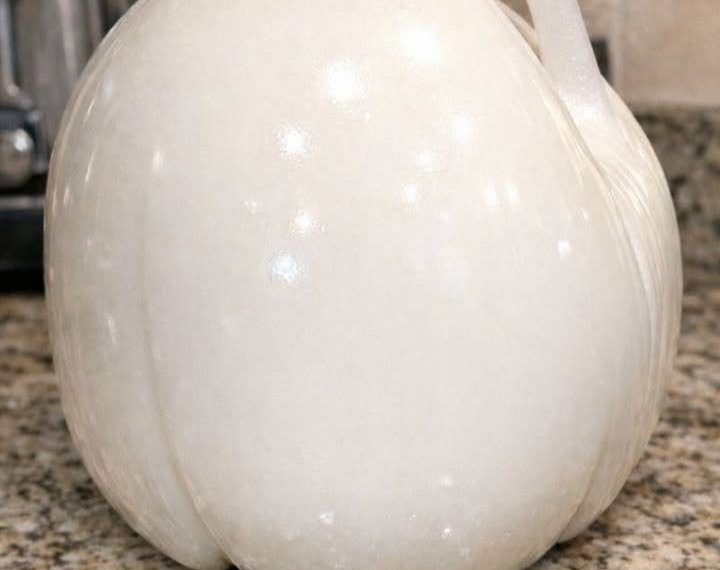
3. What Should You Do If Your Milk Jug Looks Like This?
If you discover a swollen milk container in your refrigerator, it is best to take a few simple precautions rather than risk drinking potentially spoiled milk.

Step 1: Do not drink or taste the milk
Even if the milk looks white and appears normal, that does not establish that it is safe. Harmful microorganisms can sometimes be present without producing obvious changes in smell, taste, or appearance. The FDA specifically warns consumers not to rely on these signs alone.
Do not take a small sip to see whether the milk tastes sour. Tasting is not a safe method of checking questionable food.
Step 2: Avoid opening the swollen container unnecessarily
If the container is tightly distended, leaking, or appears close to bursting, do not squeeze it or deliberately open it to release the pressure.
Keep it away from children and food-preparation surfaces. If it is leaking, avoid contact with the contents and clean any contaminated surface carefully.
Step 3: Return it to the store or contact the manufacturer
If you purchased the milk recently, keep your receipt if possible and take a photograph of the swollen container, its printed date, and its product information.
Contact the retailer and explain what happened. You can request a refund or replacement and ask them to investigate whether other containers from the same batch may be affected.
If the product has an unusual appearance before its printed date, the store or manufacturer should be given an opportunity to investigate the issue.
Step 4: Dispose of it safely if you cannot return it
If you cannot return the milk, discard it without tasting it. Avoid opening a container that is under unusual pressure simply to pour the contents down the drain.
Follow local waste-disposal guidance and wash your hands after handling the container.
4. How Can You Tell Whether Milk Has Spoiled?
Swelling is one possible warning sign, but it is not the only change associated with deteriorating milk. Other signs may include an unusual odor, curdling, or a change in consistency.

Curdled milk with visible lumps. This is an illustrative example of a common spoilage sign.
Here are some changes you might notice:
| Sign | What it may indicate |
|---|---|
| Unusual swelling of the container | Possible packaging, temperature, or spoilage problem |
| Sour or unpleasant odor | Deterioration of the milk |
| Thick lumps or curdling | Spoilage or another change in the product |
| Unusual texture or separation | A change that may warrant discarding the milk |
| Leakage or damaged packaging | Possible loss of packaging integrity |
These signs are useful warnings, but they are not a complete safety test. Milk can contain harmful microorganisms without showing any of them. If the container is already unusually swollen, do not open it just to investigate its smell or texture.
5. How to Store Milk Properly to Keep It Fresh Longer
Preventing problems starts with proper refrigeration. Milk is perishable, and keeping it cold helps slow the growth of microorganisms that can cause food deterioration and illness.

Keep your refrigerator at the right temperature
The FDA recommends keeping a refrigerator at or below 40°F (4°C). Check the temperature with an appliance thermometer rather than assuming that the refrigerator is cold enough.
Put milk away as soon as you get home
Take refrigerated milk home promptly and place it in the refrigerator. Do not leave it in a warm car or on the kitchen counter for extended periods.
As a general food-safety rule, the FDA advises refrigerating perishable foods within two hours, or within one hour when the surrounding temperature exceeds 90°F (32°C).
Store milk inside the refrigerator
Avoid keeping milk on the refrigerator door if you can use a consistently cold shelf instead. The temperature in the door can fluctuate as it is opened and closed.
Keep the cap tightly closed and follow any storage instructions on the label.
Do not ignore changes in packaging
When unpacking groceries, take a moment to check that milk containers are intact and not leaking, unusually swollen, or otherwise damaged.
If you notice a problem immediately after purchase, return the product rather than assuming that refrigeration will make it safe again.
6. Could Drinking Spoiled Milk Make You Sick?
Yes. Milk that has spoiled or has been contaminated with harmful microorganisms can cause foodborne illness.
Possible symptoms include nausea, vomiting, abdominal cramps, and diarrhea. The exact symptoms and severity depend on the microorganism involved and the individual exposed.
Some people may be more vulnerable to serious illness, including young children, older adults, pregnant people, and individuals with weakened immune systems.
If someone has already drunk milk from a suspicious container, they should stop consuming it and monitor how they feel. Seek medical advice if symptoms develop, particularly if there is persistent vomiting, bloody diarrhea, high fever, or signs of dehydration. Severe symptoms warrant prompt medical attention.
Do not assume that milk is safe just because it tastes normal, and do not attempt to make questionable milk safe by boiling it. Heating is not a reliable way to correct every food-safety problem.
7. What If the Milk Looks Normal but the Container Is Swollen?
This is the question that makes the photograph particularly important.
Imagine that you open the refrigerator and find a jug that looks exactly like the one in the picture. The milk is still within its printed date. You cannot see any lumps because the container is closed, and there is no obvious leakage.
Would you drink it?
The prudent answer is no—not until the problem has been resolved.
A swollen container does not prove that the milk is contaminated, but neither the printed date nor an apparently normal appearance proves that it is safe.
The best course of action is to avoid consuming it, document the problem, and contact the retailer or manufacturer. That approach protects your household without requiring you to determine the precise cause of the swelling yourself.
Final Thoughts: Would You Drink Milk From a Swollen Jug?
The photograph is a useful reminder that food safety involves more than checking a date on a label. Storage conditions, packaging integrity, and unusual changes in a product all matter.
If you buy milk and discover that the container has become tightly swollen, do not taste it, do not assume that the expiration date guarantees safety, and do not try to release pressure from the container. Contact the store or manufacturer and arrange for safe disposal if returning it is not possible.
Milk is a staple in many households, and most properly handled milk is safe to consume. But when something looks clearly wrong, it is better to lose the cost of one container than to risk your health.
What would you do if you opened your refrigerator and found a milk jug swollen like the one in this photograph? Would you return it to the store immediately, or would you first contact the manufacturer?