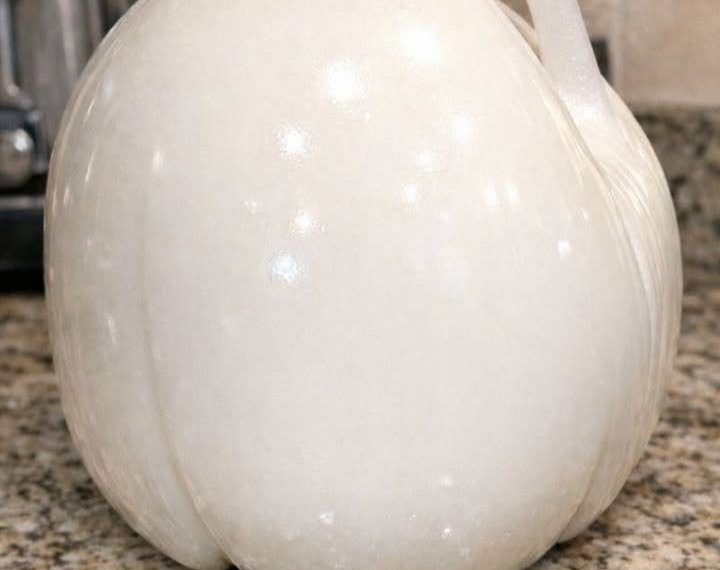
A gallon of milk sits on the kitchen counter, looking perfectly ordinary at first glance. But then you notice something unusual: the plastic container is swollen, stretched tightly, and almost looks as if it is about to burst. The expiration date is still weeks away, and you only bought the milk a few days ago.
Should you pour yourself a glass? Should you smell it to check whether it has spoiled? Or is the swollen container a warning sign that the milk may no longer be safe to drink?
The photograph above raises an important food-safety question that many households encounter. When a milk jug becomes unusually swollen, the safest decision is not to drink the milk or taste it to check whether it is good. The container’s condition deserves attention even when the printed date suggests that the milk should still be fresh.
A date on the packaging cannot guarantee safety if the milk has been improperly stored, exposed to unsuitable temperatures, or contaminated. The USDA explains that food can spoil before its printed date when handling and storage conditions are inadequate.

A bulging milk container can be a warning sign. The image illustrates the concern; swelling alone does not establish the precise cause.
1. Why Would a Milk Jug Swell Before Its Expiration Date?
Milk is a perishable food. Its freshness depends on several factors, including how it was processed, how it was transported, how long it remained unrefrigerated, and whether it was kept at the correct temperature.
There are several possible explanations for an unusually swollen container.
Bacterial activity and spoilage
Some microorganisms can grow in milk under favorable conditions. Depending on the organisms involved and the storage conditions, microbial activity can cause changes in the milk and, in some circumstances, contribute to gas formation.
As gas accumulates inside a sealed container, pressure can increase and the plastic may bulge outward.
However, not every swollen milk jug is swollen because of bacterial gas. Packaging defects, temperature-related changes, and other factors may also play a role. The appearance alone cannot identify the cause or establish which microorganisms, if any, are present.
The milk may have become too warm
Milk that needs refrigeration can deteriorate more quickly when left at temperatures that are too high.
This can happen at several points along the journey from the dairy plant to your kitchen:
- The product may have been exposed to excessive warmth during transportation.
- A supermarket refrigerator may not have maintained the appropriate temperature.
- The milk may have been left in a warm car after purchase.
- A household refrigerator may be too warm or may not be cooling consistently.
- The container may have been left on a counter for too long.
Even if the milk was fresh when it left the factory, poor temperature control can shorten its usable life.
A packaging or manufacturing problem
Sometimes a container may have a defect or another packaging-related problem. If a jug appears dramatically more swollen than normal, do not assume that the milk is safe simply because you cannot see a leak.
The important point is that an unusually swollen container should be treated as a reason for caution, not as proof of one particular problem.
2. Does the Expiration Date Mean the Milk Is Safe?
One of the most confusing aspects of food safety is the difference between a printed date and the actual condition of a product.
In the photograph, the milk container displays a date of May 18, 2026. The person who shared the image says the jug was purchased only a few days earlier and had become tightly swollen despite the date still being some time away.
That situation illustrates why checking the date is only one part of assessing food quality.
According to the USDA, many food dates relate to quality rather than providing an absolute guarantee of safety. Food that has been handled incorrectly can deteriorate before the date printed on its packaging.
Consider these examples:
- Milk within its printed date and stored correctly: It may be perfectly good if the packaging is intact and the product has been handled properly.
- Milk within its printed date but stored too warm: It may deteriorate prematurely.
- Milk beyond its printed date: Its condition depends on the product, the type of date, and its storage history; the date alone does not tell the whole story.
- Milk in an unusually swollen container: The abnormal packaging condition is a reason to avoid consuming it until the concern has been resolved.
The safest approach is to follow the product’s storage instructions and take unusual changes seriously, regardless of the date.
3. What Should You Do If Your Milk Jug Looks Like This?
TO CONTINUE READING THE ARTICLE PLEASE SEE PAGE 2