Cacti are often described as some of the easiest plants to grow because they can survive with very little water. But there is a secret to keeping them healthy: cacti need the right balance of sunlight, watering, soil, drainage, and seasonal care.
A cactus can survive for months without attention, but surviving is not the same as thriving. With the right conditions, it can develop a strong green body, produce new growth, and even reward you with spectacular flowers.
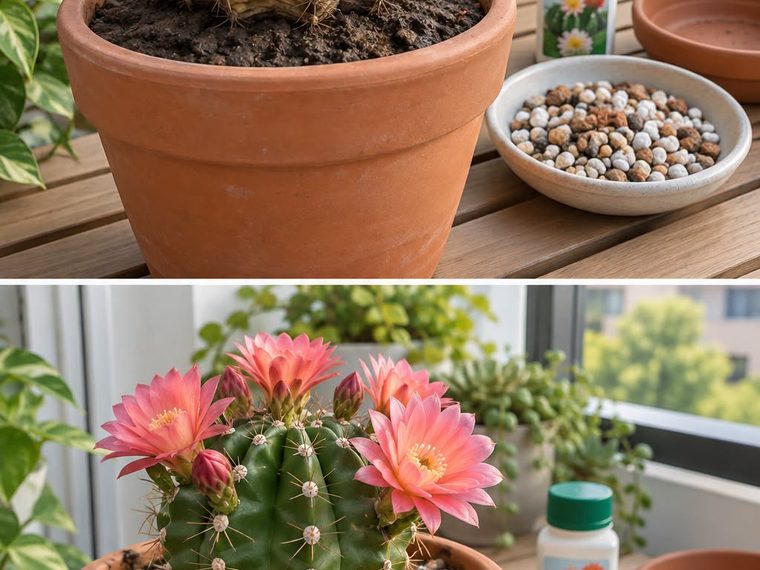
The photograph above shows a cactus before and after flowering. Its transformation is a beautiful reminder that even a plant that looks quiet and slow-growing can produce an impressive display of color.
Whether you have a small cactus on your windowsill or a collection of different varieties, these practical tips will help you care for them properly.
1. Understand What Your Cactus Really Needs
Although many people treat all cacti the same way, not every cactus has identical needs.
Most common desert cacti are adapted to dry environments. They store water in their thick stems and have specialized structures that help reduce moisture loss.
However, some cacti, such as Christmas cacti, naturally grow in tropical forests. These varieties generally prefer more moisture, indirect light, and different growing conditions.
Before changing your plant’s care routine, try to identify which type of cactus you own.
For most desert cacti, the basic requirements are:
- Plenty of bright light.
- A fast-draining growing medium.
- A pot with drainage holes.
- Deep but infrequent watering.
- Limited fertilizer during active growth.
- A cooler, drier resting period for many flowering varieties.
Understanding these basics will prevent many common cactus problems.
2. Watering: The Most Important Rule Is to Avoid Constant Moisture
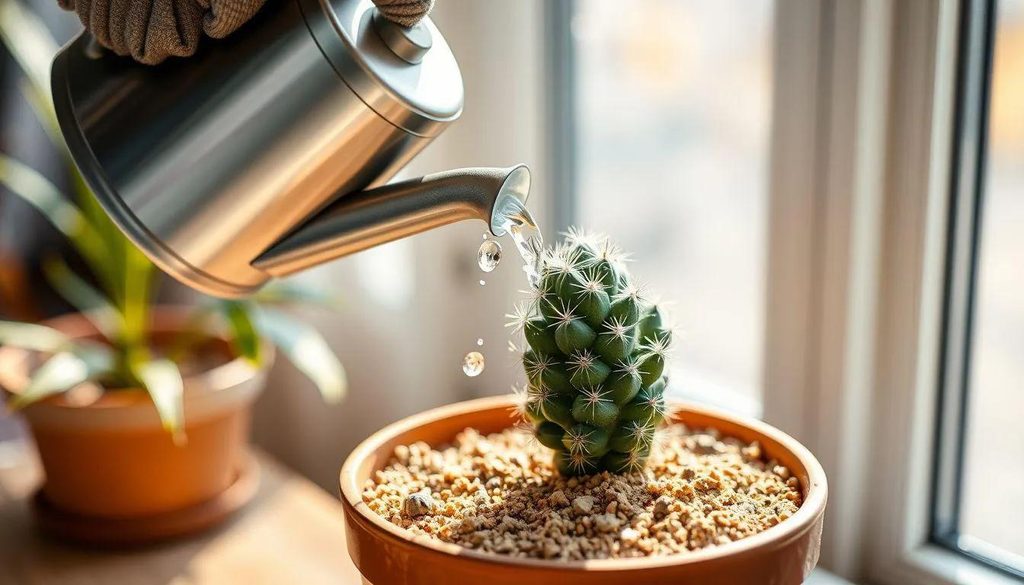
One of the biggest mistakes people make with cacti is watering them too frequently.
Because cacti store water inside their stems, they do not need frequent watering like many tropical houseplants. Their roots are particularly vulnerable to prolonged wet conditions.
How often should you water a cactus?
There is no universal watering schedule. The correct frequency depends on:
- Temperature.
- Sunlight exposure.
- Humidity.
- Pot size and material.
- Soil composition.
- The cactus species.
- Whether the plant is actively growing or dormant.
A cactus in a warm, sunny room may need water more often than one kept in a cool room during winter.
Instead of following a fixed calendar, check the soil.
A simple watering method:
- Insert a wooden stick or your finger into the soil.
- Check whether the growing medium is completely dry.
- If it is still damp, wait before watering.
- Once the soil is dry, water thoroughly until excess water escapes through the drainage holes.
- Empty the saucer so the roots are not left standing in water.
This method encourages deeper root growth and avoids the constant dampness that can cause root rot.
Should you spray water on your cactus?
Usually, no. Desert cacti do not need regular misting.
Spraying the surface of the plant does not provide the deep watering its roots need. It can also leave moisture trapped around the spines or in crevices, especially when air circulation is poor.
Water the soil rather than spraying the cactus itself.
Signs of watering problems
| What you notice | Possible explanation |
|---|---|
| Soft, yellowing or mushy stem | Overwatering or root rot |
| Wrinkled or slightly shrunken appearance | Possible underwatering |
| Brown, dry patches | Sunburn, injury or other damage |
| Plant becoming unstable | Possible root damage or unsuitable soil |
Remember that a wrinkled cactus does not always need more water. If its roots have rotted, it may be unable to absorb moisture even when the soil is wet.
3. Choose the Right Soil: Ordinary Potting Soil Is Often Too Heavy
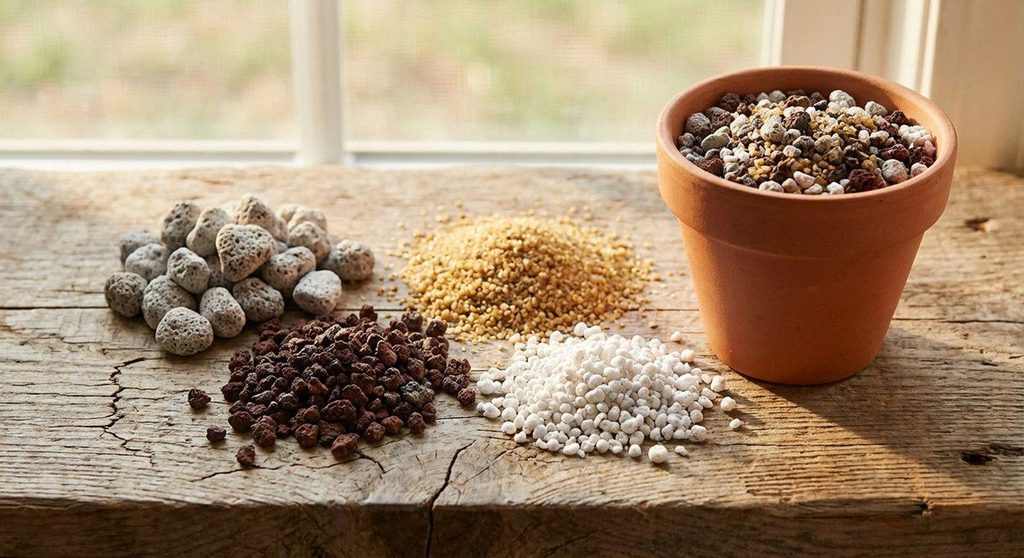
The soil surrounding a cactus is just as important as the amount of water it receives.
Ordinary garden soil or dense houseplant potting mix can hold too much moisture. This creates conditions that may damage the roots.
Cacti generally prefer a loose, airy growing medium that allows excess water to drain quickly.
What should good cactus soil contain?
TO CONTINUE READING THE ARTICLE PLEASE SEE PAGE 2