Tomatoes
They appreciate steady feeding during flowering and fruit development.
Cucumbers
Natural fertilizers encourage vigorous vines and continuous production.
Peppers
Extra nutrients support larger, healthier peppers.
Herbs
Basil, parsley, oregano, and mint respond well to occasional feeding.
Houseplants
Indoor plants benefit from diluted natural fertilizers applied sparingly.
Signs Your Plants Need Feeding
Watch for these common symptoms:
- Pale green or yellow leaves
- Slow growth
- Small flowers
- Poor fruit production
- Weak stems
These signs may indicate nutrient deficiencies, although watering, pests, or diseases can also cause similar symptoms.
Avoid These Common Mistakes
Even natural fertilizers can cause problems if overused.
Don’t Overfeed
Too much fertilizer can:
- Burn roots
- Encourage excessive leaf growth
- Reduce flowering
Avoid Sugary Mixtures
Some internet recipes recommend adding sugar or soda.
These do not nourish plants and may encourage mold or unwanted insects.
Don’t Use Fresh Kitchen Waste Directly
Fresh food scraps can:
- Rot
- Produce unpleasant odors
- Attract rodents and insects
Composting first is usually the better option.
Apply to Moist Soil
Water the soil lightly before applying fertilizer.
This helps nutrients spread evenly and reduces stress on the roots.
Homemade vs. Commercial Fertilizers
Both have advantages.
Homemade Fertilizers
Pros
- Low cost
- Eco-friendly
- Reduce household waste
- Improve soil health over time
Cons
- Nutrient levels vary
- Slower results
- Require preparation
Commercial Fertilizers
Pros
- Precise nutrient balance
- Fast results
- Easy to apply
Cons
- More expensive
- Can damage plants if overused
- Do not improve soil structure as much as organic matter
Many experienced gardeners combine both methods depending on their plants’ needs.
The Secret to Healthy Plants
While homemade fertilizers can provide helpful nutrients, they are only one part of successful gardening.
Plants also need:
- Plenty of sunlight
- Proper watering
- Well-drained soil
- Good air circulation
- Regular pruning
- Protection from pests and diseases
Healthy soil remains the foundation of every productive garden.
Final Thoughts
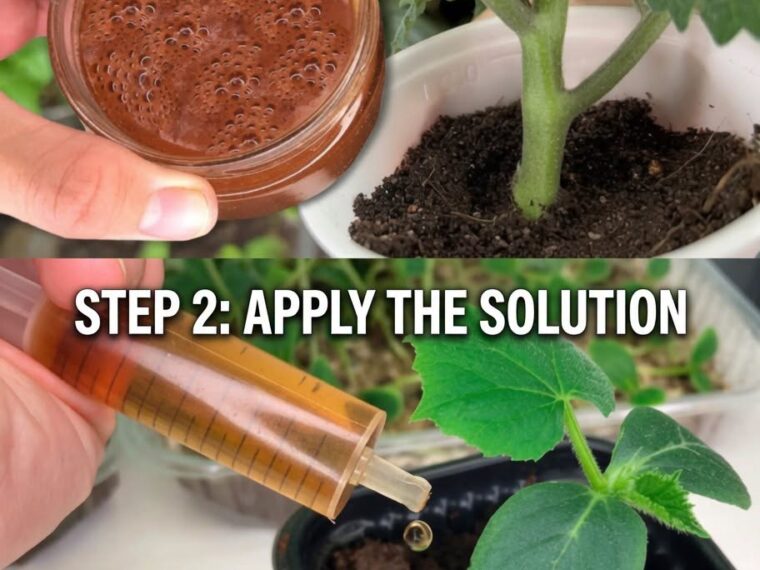
The homemade plant growth booster shown in the image reflects a growing interest in natural gardening methods. When prepared with beneficial ingredients like compost, banana peels, coffee grounds, or seaweed, these mixtures can support healthy soil and provide gentle nutrition for many plants.
However, there is no miracle formula that instantly transforms weak plants into thriving ones. Consistent care, proper watering, adequate sunlight, and balanced nutrition will always produce the best results.
If you’re looking for a simple, eco-friendly way to give your tomatoes, cucumbers, herbs, or houseplants a helping hand, a carefully made homemade fertilizer can be a valuable addition to your gardening routine—used wisely and in moderation.