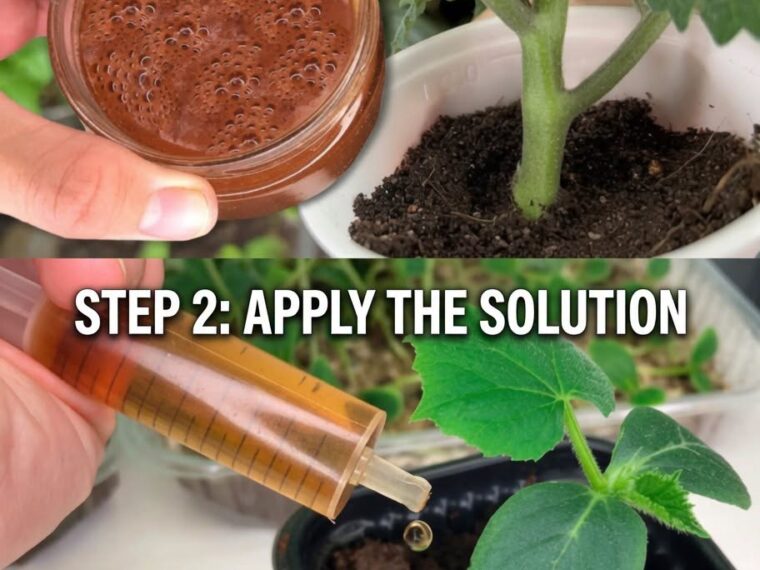
If you’ve spent any time browsing gardening groups or social media lately, you’ve probably come across videos showing a mysterious brown liquid being poured around the base of tomato plants, cucumbers, and seedlings. The promise is tempting: stronger roots, faster growth, greener leaves, and bigger harvests—all from a simple homemade mixture.
But does this natural plant booster actually work? The answer depends on what’s in the mixture and how it’s used.
Here’s everything you need to know about making and using natural homemade fertilizers safely and effectively.
Why Plants Need More Than Just Water
Just like people need a balanced diet, plants require a steady supply of nutrients to thrive. Water alone keeps plants alive, but nutrients help them grow stronger, produce flowers, and develop healthy fruits.
The three primary nutrients every plant needs are:
- Nitrogen (N): Encourages lush green leaves and vigorous growth.
- Phosphorus (P): Promotes strong roots and abundant flowers.
- Potassium (K): Improves disease resistance and fruit production.
In addition, plants benefit from calcium, magnesium, sulfur, and trace minerals such as iron and zinc.
When soil becomes depleted, plants often grow slowly, develop pale leaves, or produce fewer vegetables.
The Idea Behind Homemade Plant Boosters
Many gardeners create homemade liquid fertilizers using common kitchen ingredients. After steeping or blending these materials with water, the mixture is applied directly to the soil where roots can absorb nutrients.
Unlike chemical fertilizers that provide nutrients instantly, natural mixtures often release nutrients more gradually while also feeding beneficial soil microorganisms.
Popular Ingredients Used in Homemade Plant Boosters
Several natural ingredients are commonly found in DIY plant fertilizers.
1. Banana Peels
Banana peels contain potassium, which supports flowering and fruit production.
They can be:
- Soaked in water for several days
- Blended with water
- Chopped and buried in the soil
2. Used Coffee Grounds
Coffee grounds contain small amounts of nitrogen and organic matter.
Benefits include:
- Improving soil structure
- Feeding earthworms
- Supporting microbial life
However, coffee grounds should be used in moderation because excessive amounts may compact the soil.
3. Eggshells
Crushed eggshells provide calcium.
Calcium helps prevent problems such as blossom-end rot in tomatoes and peppers, although it breaks down slowly in the soil.
4. Compost Tea
One of the most popular homemade fertilizers.
It is made by soaking mature compost in water for 24–48 hours.
This creates a nutrient-rich liquid filled with beneficial microorganisms.
5. Seaweed
Seaweed contains:
- Potassium
- Magnesium
- Trace minerals
- Natural plant hormones
Many gardeners use seaweed extracts to reduce transplant shock.
A Simple Homemade Plant Growth Booster
One gentle recipe suitable for many garden plants includes:
Ingredients
- 1 ripe banana peel
- 1 tablespoon used coffee grounds
- 1 liter of water
Instructions
- Blend the ingredients together.
- Strain the liquid if desired.
- Dilute with an equal amount of water.
- Apply around the soil—not directly onto the leaves.
This mixture provides small amounts of nutrients while adding organic matter to the soil.
How to Apply the Solution
As shown in the image, the liquid should be applied directly around the root zone.
Avoid pouring it onto:
- Flowers
- Fruits
- Leaves
The roots are where nutrient absorption occurs.
A small amount every two to four weeks is usually sufficient for most container plants.
Which Plants Benefit the Most?
Homemade organic fertilizers work especially well for:
TO CONTINUE READING THE ARTICLE PLEASE SEE PAGE 2