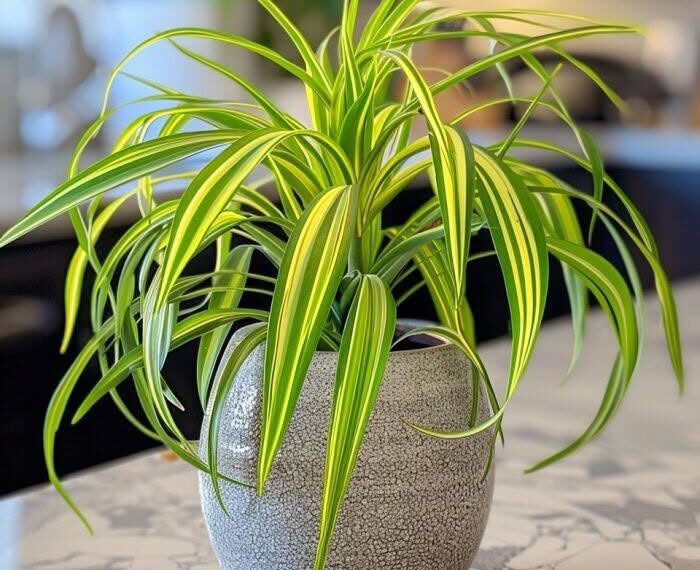
Spider plants (Chlorophytum comosum) are among the easiest and most rewarding houseplants to grow. Their graceful, arching leaves and cascading baby plantlets make them a favorite for homes, offices, and apartments. However, many gardeners notice that over time their spider plant becomes thin, leggy, or loses its vibrant green color.
The good news? A few simple care adjustments can transform a sparse spider plant into a lush, full, and healthy centerpiece. Here are seven expert tips to help your spider plant thrive.
1. Give It Bright, Indirect Light
One of the biggest factors in your spider plant’s growth is lighting.
Spider plants naturally grow beneath tree canopies, where they receive filtered sunlight. While they can tolerate lower light conditions, they become much fuller and produce more leaves when placed in bright, indirect light.
Best locations include:
- Near an east-facing window.
- A few feet from a south-facing window.
- Close to a bright north-facing window.
Avoid prolonged direct afternoon sunlight, which can scorch the leaves and cause brown tips.
Pro Tip: Rotate the pot every week so all sides receive equal light, encouraging balanced growth.
2. Water Correctly—Not Too Much, Not Too Little
Spider plants prefer consistently moist soil but dislike sitting in water.
A common mistake is watering on a fixed schedule instead of checking the soil.
Water only when:
- The top 1–2 inches (2.5–5 cm) of soil feel dry.
- The pot feels lighter than usual.
Water thoroughly until excess water drains from the bottom.
Never allow the plant to sit in standing water, as this can cause root rot.
If your tap water contains high levels of chlorine or fluoride, consider using:
- Rainwater
- Distilled water
- Filtered water
These alternatives help reduce brown leaf tips.
3. Feed Your Plant During the Growing Season
Spider plants need nutrients to produce abundant foliage.
Apply a balanced liquid houseplant fertilizer (such as 10-10-10 or 20-20-20) every 4–6 weeks during spring and summer.
Avoid overfertilizing, as excess salts can burn the roots and lead to crispy leaf tips.
During fall and winter, reduce feeding since the plant naturally grows more slowly.
4. Repot When It Becomes Root-Bound
Spider plants actually enjoy being slightly root-bound, but eventually their roots can become overcrowded.
Signs it’s time to repot include:
TO CONTINUE READING THE ARTICLE PLEASE SEE PAGE 2