If you’ve ever walked outside to find a trail of ants marching across your patio, driveway, or garden path, you’re not alone. Ants are among the most common household and garden pests, especially during the warmer months when colonies are actively searching for food and water.
Many homeowners immediately reach for chemical insecticides, but not everyone wants to spray pesticides around children, pets, vegetable gardens, or pollinator-friendly flower beds. That’s why natural ant control methods continue to gain popularity.
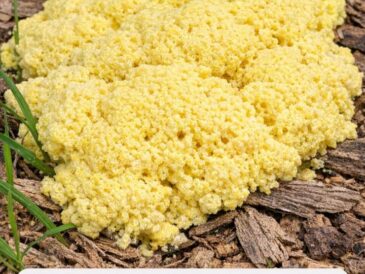
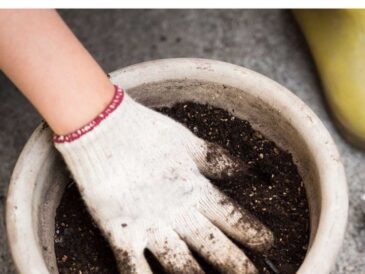
One ingredient that often appears in DIY pest-control tips is table salt. As shown in the image, some people sprinkle salt directly onto ant trails or around nest entrances in hopes of discouraging ants from returning.
But does it really work?
Let’s separate fact from fiction and explore how salt can fit into a natural ant management strategy.
Why Ants Invade Your Yard
Ants rarely appear without a reason. They’re usually attracted by one or more of the following:
- Food crumbs
- Sugary drinks
- Pet food
- Fallen fruit
- Moist soil
- Standing water
- Compost piles
- Aphid colonies on plants
Finding and removing these attractants is often the most effective long-term solution.
Does Salt Kill Ants?
Salt is not considered a reliable ant killer, but it may help discourage ants in certain situations.
Here’s why:
- Salt can temporarily dry out very small insects through dehydration.
- Heavy salt deposits may create an area ants prefer to avoid.
- Salt may interfere with scent trails that ants use to guide other colony members.
However, salt usually does not eliminate an entire colony, including the queen, which is essential for permanent control.
For that reason, experts recommend viewing salt as a temporary deterrent rather than a complete solution.
How to Use Salt Around Ant Trails
If you’d like to try this natural method, use it carefully.
Step 1: Find the Ant Trail
Watch where the ants are traveling.
Look for:
- cracks in sidewalks;
- garden edging;
- patio stones;
- nest entrances;
- gaps near foundations.
Step 2: Sprinkle a Thin Layer
Lightly sprinkle table salt along:
- active trails;
- entry points;
- cracks where ants emerge.
Avoid dumping large amounts onto your lawn or garden soil.
Step 3: Observe the Results
Some ants may avoid crossing heavily salted areas.
If they simply create another trail nearby, repeat the process only where necessary.
Step 4: Remove Food Sources
Natural deterrents work much better when food is unavailable.
Clean up:
- spilled drinks;
- crumbs;
- barbecue grease;
- bird seed;
- fallen fruit.
Other Natural Ingredients Ants May Dislike
TO CONTINUE READING THE RTICLE PLEASE SEE PAGE 2