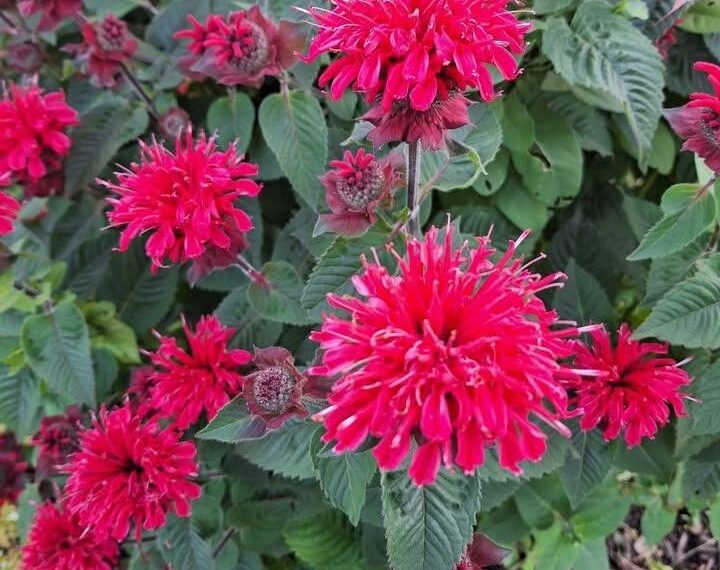
Take one look at the vibrant crimson blooms in the photo above, and it’s easy to see why this plant stops people in their tracks. Its brilliant, firework-like flowers attract butterflies, hummingbirds, and bees by the dozens, transforming an ordinary garden into a lively pollinator paradise.
The stunning plant pictured is Bee Balm (Monarda didyma), a North American native perennial that has become one of the most rewarding plants for gardeners of all skill levels. Whether you’re creating a wildlife garden, looking for low-maintenance beauty, or simply want long-lasting summer color, bee balm deserves a place in your landscape.
Here’s why gardeners everywhere should consider growing this remarkable perennial.
What Is Bee Balm?
Bee balm belongs to the mint family (Lamiaceae) and is native to eastern North America.
It is known by several common names, including:
- Scarlet Bee Balm
- Oswego Tea
- Bergamot
- Crimson Bee Balm
Its unusual flowers resemble colorful fireworks or shaggy pom-poms, blooming in shades of:
- Bright red
- Pink
- Purple
- Lavender
- White
The vivid red variety shown in the image is especially popular because it is one of the best plants for attracting hummingbirds.
Why Native Plants Matter
Native plants have evolved alongside local wildlife for thousands of years.
Unlike many exotic ornamentals, native perennials provide food, shelter, and habitat for insects, birds, and other beneficial creatures.
Growing native species helps:
- Support declining pollinator populations
- Increase biodiversity
- Reduce pesticide use
- Improve ecosystem health
- Require less maintenance once established
Bee balm is one of the best examples of a native plant that is both beautiful and ecologically valuable.
A Magnet for Pollinators
One of bee balm’s greatest strengths is its incredible ability to attract pollinators.
During bloom, you’ll often see the flowers buzzing with activity.
Bee balm attracts:
Honeybees
Its nectar-rich flowers provide an excellent food source throughout summer.
Native Bees
Dozens of native bee species rely on bee balm for nectar and pollen.
Butterflies
Swallowtails, monarchs, painted ladies, and many other butterflies visit regularly.
Hummingbirds
The bright red tubular flowers are perfectly shaped for hummingbird feeding.
Many gardeners report that hummingbirds return to the same bee balm plants year after year.
Stunning Summer Color
Many perennial gardens experience a lull after spring flowers fade.
Bee balm fills that gap beautifully.
Its blooms usually appear from:
- Late June
- July
- August
Depending on the variety and climate, flowering can continue for several weeks.
Deadheading spent flowers often encourages additional blooms.
Easy to Grow
One reason bee balm is so popular is that it asks for very little while giving so much in return.
Once established, it becomes a reliable perennial that returns every year.
It grows well in:
TO CONTINUE READING THE ARTICLE PLEASE SEE PAGE 2