Brown Leaf Tips or Edges
Possible causes include:
- Low humidity.
- Inconsistent watering.
- Very dry indoor air.
- Mineral or salt buildup.
- Excess fertilizer.
Try improving the humidity around the plant and check whether your watering routine has become inconsistent.
Make sure excess fertilizer is not building up in the soil.
Yellow Leaves
Yellowing can happen for several different reasons.
Possible causes include:
- Excessive watering.
- Poor drainage.
- Aging leaves.
- Environmental stress.
Before watering again, check the soil.
If it remains constantly wet and heavy, your Prayer Plant may need better drainage or less frequent watering.
Remember that an occasional older leaf turning yellow can also be part of the plant’s natural growth cycle.
Curling Leaves
Prayer Plant leaves can curl when the plant is stressed.
Possible reasons include:
- Soil that has become too dry.
- Low humidity.
- Cold temperatures.
- Exposure to drafts.
Check the moisture level first.
Then consider whether the plant is located near a heater, air conditioner, or cold window.
Faded Leaf Color
Prayer Plants are grown primarily for their beautiful foliage, so faded colors can be disappointing.
Too much direct sunlight can bleach the patterns and make the leaves appear washed out.
On the other hand, extremely low light can also reduce the intensity of the plant’s colors.
Try moving the plant to a location where it receives bright but indirect light.
Drooping Leaves: Should You Worry?
Do not panic immediately if your Prayer Plant changes the position of its leaves.
This plant naturally moves its foliage throughout the day and night.
During the day, the leaves may spread outward. As the light changes, they can lift upward.
This natural movement is one of the plant’s most interesting characteristics.
However, persistent drooping combined with other symptoms may indicate a problem.
For example:
- Drooping and dry soil may mean the plant needs water.
- Drooping and constantly wet soil may suggest root stress.
- Drooping near a cold draft may indicate temperature stress.
Always check the overall condition of the plant before making major changes.
A Simple Prayer Plant Care Routine
If you want an easy routine to follow, use this simple guide.
Every Few Days
Check the soil with your finger.
You do not need to water automatically on a strict schedule. Instead, pay attention to how quickly the soil is drying.
When the Surface Begins to Dry Slightly
Water thoroughly and allow the excess water to drain away.
Never leave the plant sitting in a pool of water.
Once a Week
Inspect the leaves and stems for:
- Brown edges.
- Yellowing.
- Curling.
- Signs of pests.
- Excessively dry soil.
- Constantly wet soil.
Regular observation can help you catch small problems before they become more serious.
During Active Growth
Feed moderately according to the instructions on your chosen fertilizer.
Every Few Months
Check whether the plant is becoming root-bound.
You should also pay attention to the condition of the potting mix. If the soil has become heavily compacted, it may be time to refresh or repot the plant.
The Biggest Mistakes to Avoid
To keep your Prayer Plant lush and beautiful, avoid these common mistakes.
1. Too Much Direct Sun
Strong direct sunlight can damage the foliage and fade the beautiful colors.
2. Letting the Plant Completely Dry Out
Prayer Plants generally prefer more consistent moisture than drought-tolerant houseplants.
Long periods of dry soil can cause stress and lead to curling or crispy leaves.
3. Keeping the Soil Constantly Soaked
Too much water can be just as damaging as too little.
Poorly drained, waterlogged soil can cause serious root problems.
4. Ignoring Humidity
Dry indoor air can contribute to crispy, unattractive leaf edges.
If your home is very dry, consider improving the humidity around the plant.
5. Exposing It to Cold Drafts
Prayer Plants are tropical plants and prefer warm, stable conditions.
Keep them away from cold windows and sudden temperature changes.
6. Overfertilizing
Too much fertilizer can create more problems than it solves.
Feed moderately and avoid fertilizing simply because the plant appears unhealthy.
First, identify the actual cause of the problem.
How to Make Your Prayer Plant Grow Fuller and Lusher
If your goal is a big, beautiful, bushy Prayer Plant, consistency is the key.
Here are a few important habits that can make a difference:
Give It Enough Indirect Light
Without enough light, the plant may grow slowly and become less colorful.
Keep the Moisture Level Consistent
Avoid allowing the plant to go from extremely dry to soaking wet.
Maintain Good Humidity
A more humid environment can help keep the foliage looking healthy and attractive.
Prune Damaged Growth
Removing unhealthy leaves keeps the plant looking tidy and allows you to monitor new growth.
Rotate the Pot Occasionally
Turning the plant from time to time can help encourage more balanced growth, especially if the light comes primarily from one direction.
Avoid Constantly Moving the Plant
Once you find a location with suitable light, temperature, and humidity, allow your Prayer Plant to settle in.
Constant environmental changes can create unnecessary stress.
The Perfect Recipe for a Lush Prayer Plant
If you remember only five things, remember these:
Light: Bright and indirect.
Water: Keep the soil lightly and consistently moist, but never waterlogged.
Humidity: Higher humidity helps keep the foliage looking its best.
Temperature: Warm and stable, away from cold drafts.
Soil: Light, moisture-retentive, and well-draining.
Final Thoughts
Growing a beautiful Prayer Plant is less about following a complicated set of rules and more about understanding the type of environment it naturally loves.
Think tropical.
Your Prayer Plant will generally appreciate gentle light, warmth, consistent moisture, and good humidity.
Once you stop treating it like a drought-loving houseplant and start thinking of it as a tropical foliage plant, caring for it becomes much easier.
Give it a cozy location away from harsh sunlight. Keep the soil comfortably moist without allowing it to become waterlogged. Protect it from cold drafts, and provide a little extra humidity when the air in your home becomes too dry.
Pay attention to the leaves because they often tell you what the plant is feeling.
Brown edges may suggest dryness or environmental stress. Yellow leaves may indicate watering problems. Faded colors may mean the lighting needs adjustment.
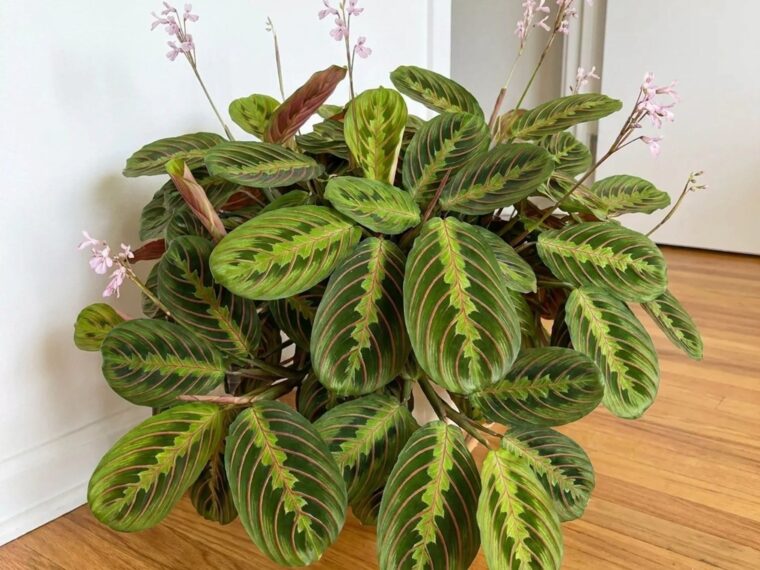
With patience and consistent care, your Prayer Plant can transform from a small houseplant into a lush, colorful display filled with beautifully patterned leaves.
And perhaps the most rewarding part is watching those remarkable leaves move throughout the day—opening, lifting, and changing position as if the plant has a life and personality all of its own.
With the right care, your Prayer Plant can become one of the most beautiful and fascinating plants in your indoor collection.