6. Fresh or Dried Oregano: Which Is Better?
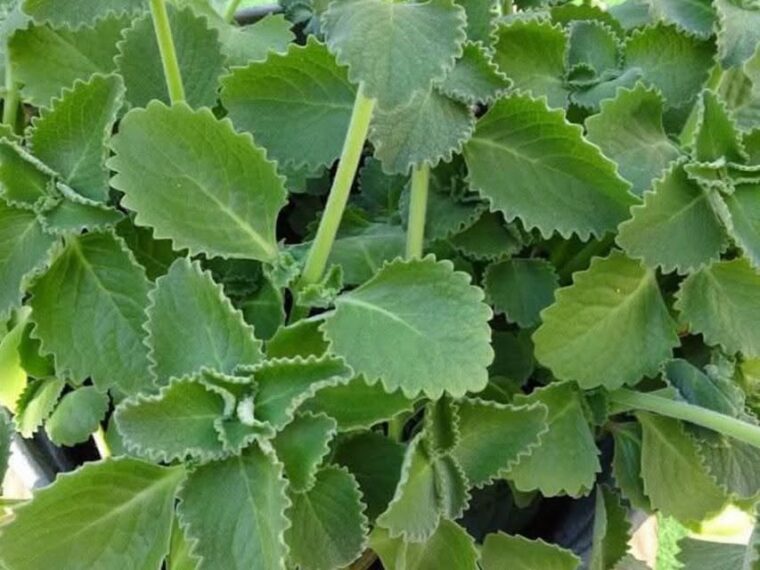
Both forms can be useful, but they are not identical.
Fresh oregano has a lighter, more delicate flavor and works particularly well when added toward the end of cooking.
Dried oregano has a more concentrated flavor and is convenient for sauces, roasted vegetables, marinades and spice blends.
The nutritional and phytochemical composition can vary depending on the plant variety, growing conditions, harvesting, drying and storage.
For everyday cooking, the best choice is often simply the form you enjoy and are most likely to use regularly.
7. What About Oregano Essential Oil?
This is where caution becomes particularly important.
Oregano essential oil is far more concentrated than the oregano used as a culinary herb. The fact that oregano contains potentially beneficial compounds does not mean that consuming concentrated essential oil is automatically safe or beneficial.
Essential oils can cause irritation and may have interactions or other safety concerns depending on how they are used.
They should not be treated like ordinary cooking herbs.
If you are considering an oregano essential-oil product or concentrated supplement, especially if you take medication, are pregnant, breastfeeding, or have an underlying health condition, speak with a qualified healthcare professional first.
8. Oregano and Digestion: What Do We Really Know?
Oregano has traditionally been used in various herbal practices for digestive complaints. This traditional use has contributed to interest in the plant.
However, traditional use and scientific proof are not the same thing.
There is not enough strong human evidence to claim that oregano reliably treats digestive disorders. It is better to enjoy oregano as part of normal meals rather than viewing it as a guaranteed digestive remedy.
9. Oregano May Be a Small Herb With a Big Flavor
You don’t need to consume large quantities to enjoy oregano.
Try making a simple Mediterranean-style seasoning by combining:
- Dried oregano
- Garlic
- Black pepper
- A little paprika
- Lemon zest
Sprinkle it over roasted vegetables, chicken, potatoes or beans.
Another easy option is to add fresh oregano to tomato salad with olive oil and a little lemon juice.
10. Oregano Is Not a Miracle Cure
This is perhaps the most important point.
Online articles sometimes describe oregano, oregano oil or carvacrol as cures for infections, inflammation, digestive problems and numerous other conditions.
The scientific evidence does not justify making such broad claims.
Research has certainly found interesting biological activity, particularly in laboratory studies, but laboratory activity does not automatically translate into a proven health treatment in humans.
Oregano is best viewed as a flavorful, plant-based ingredient that can contribute beneficial phytochemicals to the diet—not as a substitute for medical care.
How to Include More Oregano in Your Diet
You can easily incorporate oregano into everyday meals.
For breakfast
Add a pinch of oregano to scrambled eggs, an omelet or avocado toast.
For lunch
Sprinkle it over a tomato, cucumber and feta salad.
For dinner
Use it to season roasted potatoes, grilled chicken, fish or vegetables.
For snacks
Combine oregano with olive oil and use it as a dip for whole-grain bread.
In homemade sauces
Add dried oregano to tomato sauce, vegetable soup or homemade pizza sauce.
A Few Precautions to Remember
Culinary quantities of oregano are generally very different from concentrated supplements or essential oils.
If you’re considering oregano supplements or essential oil, be particularly careful if you:
- Take prescription medications
- Are pregnant or breastfeeding
- Have a chronic medical condition
- Have allergies to related plants
- Are considering giving concentrated oregano products to a child
Natural does not automatically mean risk-free. Concentrated herbal products can have stronger effects and may interact with medications.
The Bottom Line
Oregano may be a small herb, but it contains a fascinating collection of plant compounds. Carvacrol, thymol, flavonoids and phenolic acids have been investigated for antioxidant and antimicrobial properties, while experimental research continues to explore other potential biological effects.
The strongest practical takeaway is simple: use oregano as a flavorful part of a varied, balanced diet.
Sprinkling oregano over vegetables, salads, potatoes, fish or homemade tomato sauce is an easy way to enjoy its distinctive flavor and naturally occurring plant compounds.
At the same time, don’t confuse promising laboratory research with proven medical treatment. Oregano can be an excellent culinary herb, but concentrated oregano oil and supplements deserve much more caution.
In short: enjoy oregano on your plate—but don’t expect a handful of dried leaves to replace a doctor or proven medical treatment.