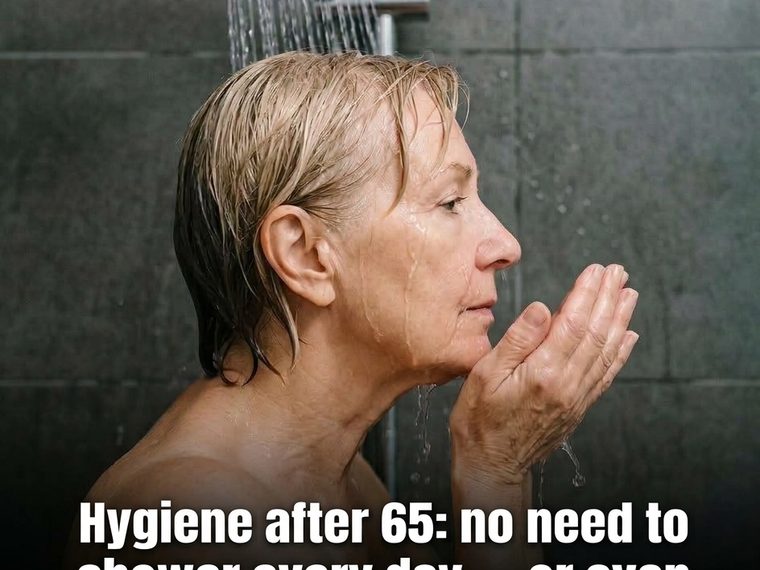
For many years, we have been told that taking a shower or bath every day is an essential part of maintaining good personal hygiene. But as we get older, our bodies change, and the habits that once worked perfectly may no longer be the best choice for our health.
In fact, washing too frequently can sometimes do more harm than good, particularly for older adults with delicate, dry or sensitive skin.
As people age, the skin naturally becomes thinner, loses some of its elasticity and produces less oil. This makes it more vulnerable to dryness, irritation, itching and small cracks. Frequent bathing, especially with very hot water and strongly scented soaps, can make these problems worse.
So, should seniors really shower less often? Is there an ideal bathing frequency that protects the skin while maintaining good hygiene?
The answer may surprise you: not everyone needs a full shower every day. For many older adults, bathing two or three times a week may be sufficient, provided that essential areas are cleaned regularly and personal hygiene is maintained between showers.
However, the ideal routine depends on individual health, activity levels, sweating, mobility and personal needs.
Let’s explore what happens to the skin as we age, how often seniors should bathe and how to maintain excellent hygiene without damaging the skin’s natural protective barrier.
1. Why Does Skin Change as We Get Older?
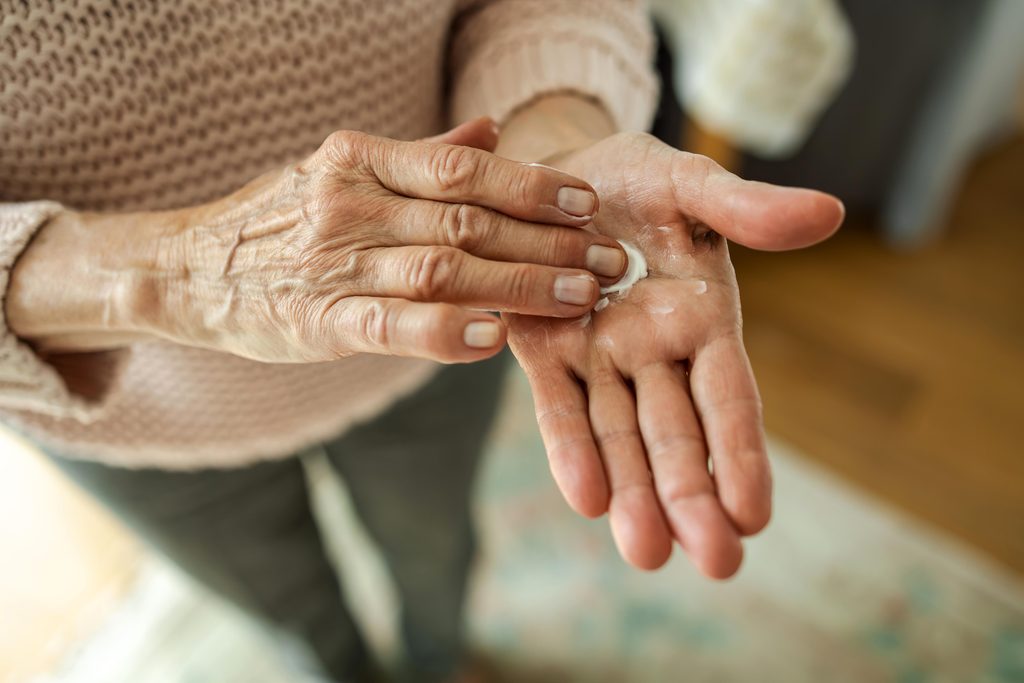
One of the biggest reasons older adults may benefit from adjusting their bathing routine is the natural aging process.
Our skin changes throughout life. As we grow older, the sebaceous glands generally produce less oil, and the skin becomes less effective at retaining moisture.
This means that older adults may experience:
- Increased skin dryness.
- More frequent itching.
- Greater sensitivity to soaps and detergents.
- Reduced skin elasticity.
- A thinner and more fragile skin barrier.
- Greater susceptibility to irritation and small skin injuries.
These changes can make daily bathing less comfortable, particularly when showers involve hot water, vigorous scrubbing or harsh cleansing products.
The skin has a natural protective barrier that helps retain moisture and protect the body from external irritants. Excessive washing can interfere with this barrier, leaving the skin feeling tight, dry and uncomfortable.
This is why dermatologists often recommend gentle cleansing and regular moisturising for older adults.
2. Is Showering Every Day Really Necessary for Seniors?
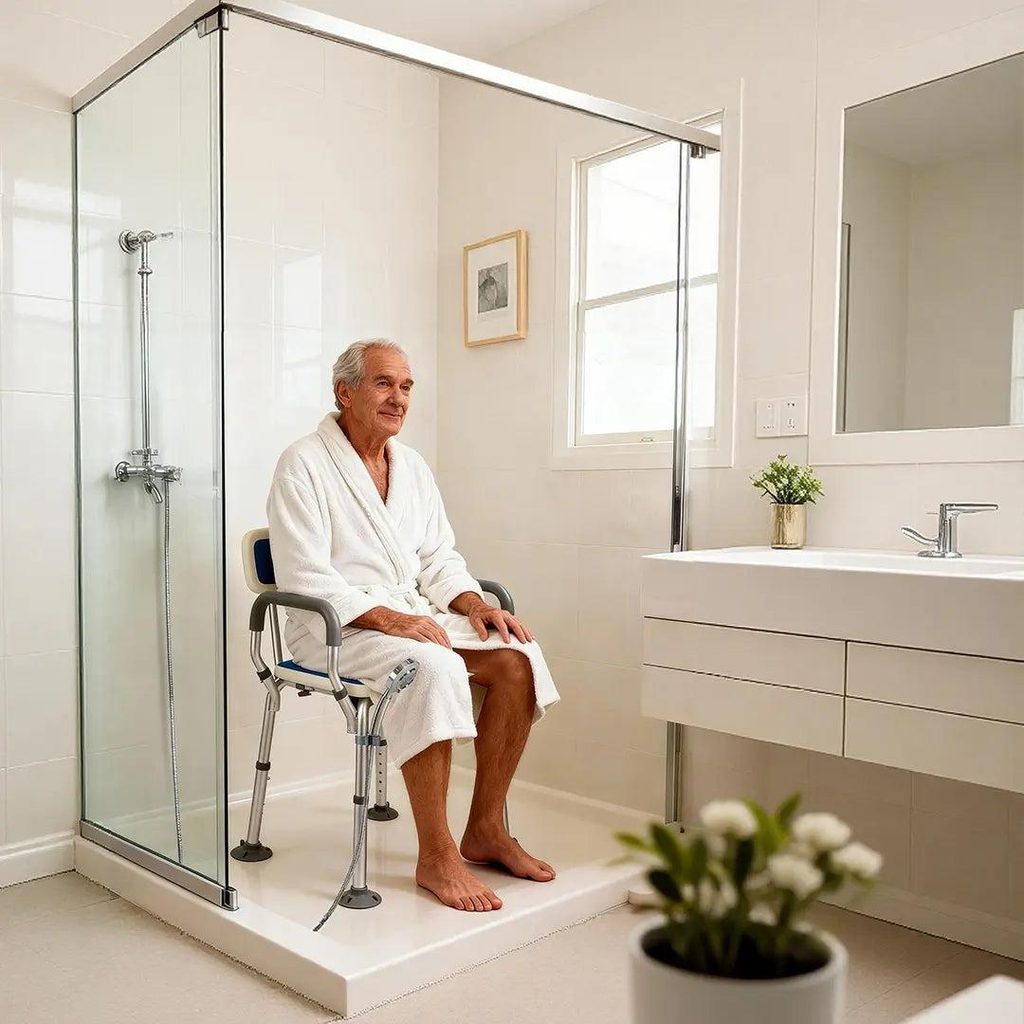
Many people automatically associate daily showers with good hygiene. However, bathing frequency should not be determined by habit alone.
For older adults who spend most of their time indoors, do not sweat heavily and have relatively dry skin, a full-body shower every day may be unnecessary.
Washing less frequently can help reduce exposure to hot water and cleansing products that may strip the skin of its natural oils.
This does not mean that seniors should neglect personal hygiene.
There is an important difference between taking a complete shower and cleaning essential areas of the body.
Even on days without a full shower, older adults should regularly clean areas that tend to accumulate sweat, bacteria and natural body secretions, including:
- The armpits.
- The groin and external genital area.
- The buttocks.
- The feet.
- The face and hands.
A gentle daily wash of these areas can help maintain cleanliness without requiring a full-body bath every morning.
3. The Surprising Ideal Frequency: How Often Should Seniors Shower?

One of the most common questions about senior hygiene is how frequently older adults should take a complete bath or shower.
There is no single frequency that works for everyone. However, several health organisations offer practical recommendations that can help older adults establish a healthy routine.
For many seniors, two to three full baths or showers per week can be a reasonable starting point, especially if they have dry or sensitive skin and do not sweat heavily.
The UK National Health Service (NHS) advises that people receiving personal care should have a bath or shower at least twice a week, while essential daily washing should continue. NHS+1
Here is an example of a balanced weekly routine:
- Monday: Full shower or bath.
- Tuesday: Wash the face, armpits, intimate areas and feet.
- Wednesday: Full shower or bath.
- Thursday: Daily essential washing and fresh clothing.
- Friday: Full shower or bath if needed.
- Saturday: Wash essential areas and check skin condition.
- Sunday: A gentle wash or shower depending on personal needs.
This is only an example, not a strict medical schedule. Someone who exercises, sweats heavily, experiences incontinence or works outdoors may need to wash more frequently.
The important thing is to maintain cleanliness while avoiding unnecessary irritation and dryness.
4. Why Washing Too Frequently Can Damage Older Skin
TO CONTINUE READING THE ARTICLE PLEASE SEE PAGE 2