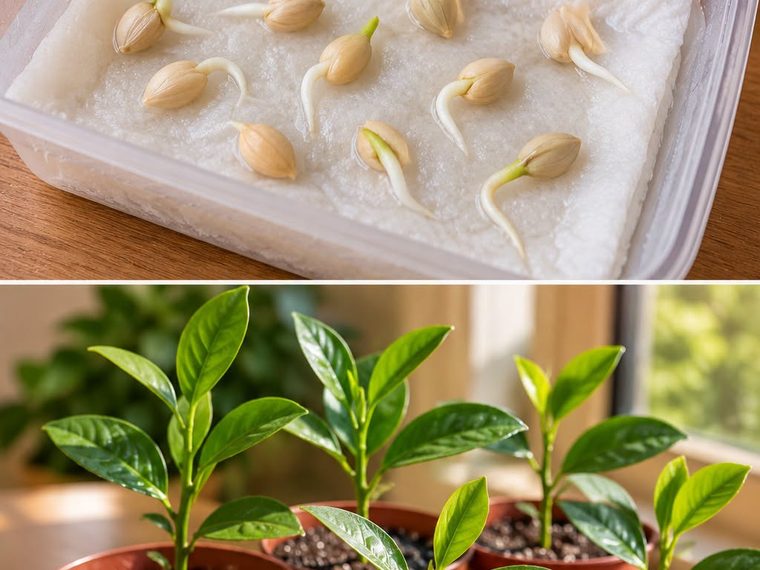
4. Use the Paper Towel Method for Fast Germination
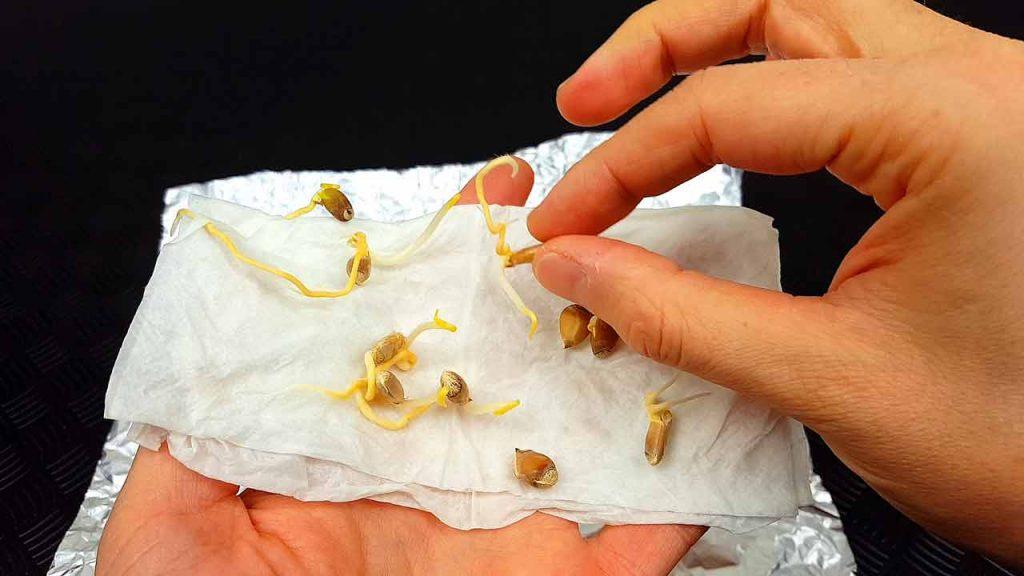
The paper towel method is one of the easiest ways to encourage mandarin seeds to germinate. It allows you to maintain moisture while checking the seeds regularly.
What you need:
- 3 to 5 fresh mandarin seeds
- A clean paper towel
- A small plastic food container or resealable bag
- Clean water
- A warm place away from direct sunlight
Step-by-step instructions:
- Fold a paper towel into several layers.
- Moisten it with clean water until it is damp but not dripping.
- Place the mandarin seeds on one half of the towel.
- Fold the other half over the seeds.
- Put the folded towel inside a clean container or resealable bag.
- Close the container, leaving a little air space if possible.
- Keep it somewhere warm, ideally around 21–27°C.
- Check the seeds every day.
The paper towel should remain slightly moist throughout the process. If it becomes dry, add a few drops of water. If water collects at the bottom, remove the excess.
Avoid placing the container in direct sunlight. Excessive heat can damage the seeds and encourage unwanted mold.
5. What Happens During the First Seven Days?
Under favorable conditions, some fresh mandarin seeds may begin showing signs of germination within one week. Here is a general guide to what you might observe.
| Day | What to expect |
|---|---|
| Day 1 | Seeds are placed in the damp paper towel. |
| Day 2 | Seeds absorb moisture and may become slightly swollen. |
| Day 3 | The outer covering may soften or split. |
| Day 4 | Some seeds may begin showing a tiny crack. |
| Day 5 | A small white root may start to emerge. |
| Day 6 | The root may become more visible and longer. |
| Day 7 | Some seeds may be ready to transfer into small pots. |
These are approximate stages, not a guarantee. Germination speed depends on seed freshness, temperature, moisture, and the individual seed. Some seeds may need 10–21 days or longer.
The most exciting moment is seeing the first tiny white root emerge. This is a sign that the seed has started germinating.
6. Transfer the Germinated Seeds into Soil
A farmer plants a seed in the ground in a pot sowing a new crop
Once a seed has developed a small root, it is time to move it into soil. Do not wait until the root becomes extremely long, because it can be delicate and easy to damage.
Choose a suitable pot:
- Use a small pot with drainage holes.
- Choose a light, well-draining potting mix.
- A mix formulated for citrus or general-purpose potting soil with added perlite can work well.
- Avoid heavy garden soil that stays wet for too long.
How to plant the seed:
- Fill the pot with slightly moist potting mix.
- Make a small hole approximately 1–2 cm deep.
- Carefully place the seed in the hole, positioning the emerging root downward.
- Cover it gently with soil.
- Water lightly.
- Place the pot in a warm location with bright, indirect light.
Keep the soil evenly moist, but never waterlogged. Too much water can cause the seed or developing roots to rot.
7. How to Care for Your Young Mandarin Seedling
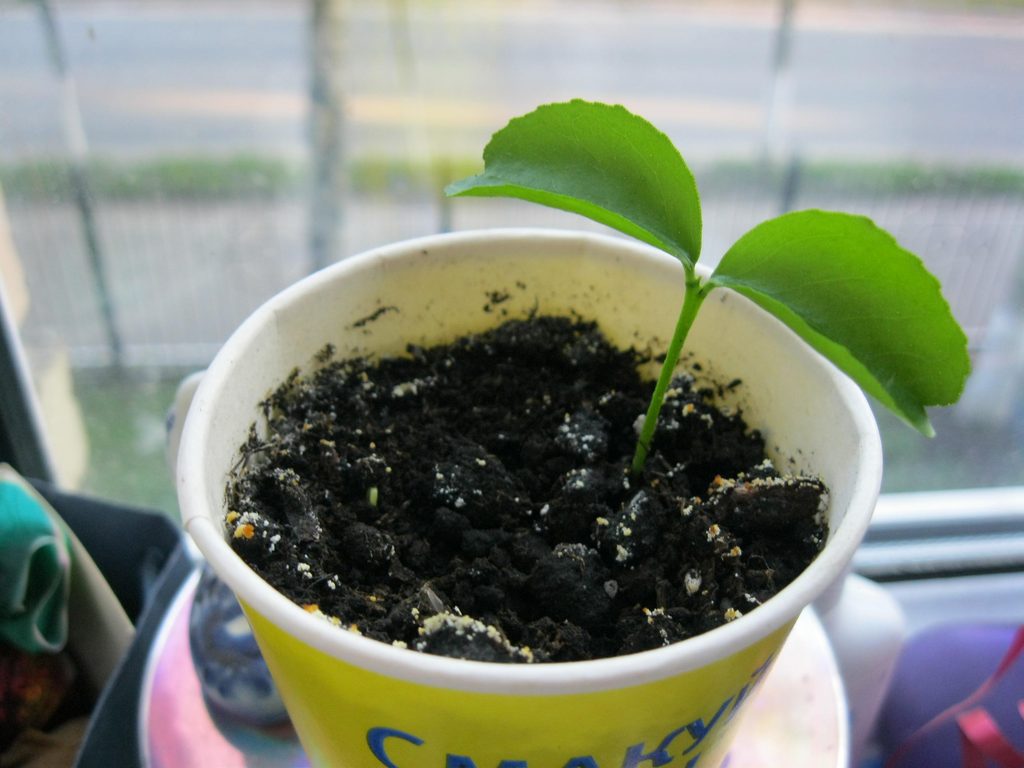
After planting, the seedling needs consistent care to develop strong roots and healthy leaves.
Light: Place the pot near a bright window. Young seedlings benefit from plenty of light, but introduce them gradually to direct sunlight to avoid leaf damage.
Water: Check the soil regularly. Water when the surface begins to dry, allowing excess water to drain freely.
Temperature: Mandarin seedlings generally grow best in warm conditions. Protect them from cold drafts and sudden temperature changes.
Air circulation: Good airflow helps reduce the risk of fungal problems. Avoid keeping the seedling in a constantly sealed, humid environment once it has emerged.
Fertilizer: Do not rush to fertilize a newly germinated seed. Wait until the seedling has developed several true leaves. Then use a balanced liquid fertilizer at a diluted strength, following the product instructions.
8. Common Mistakes That Can Stop Mandarin Seeds from Germinating
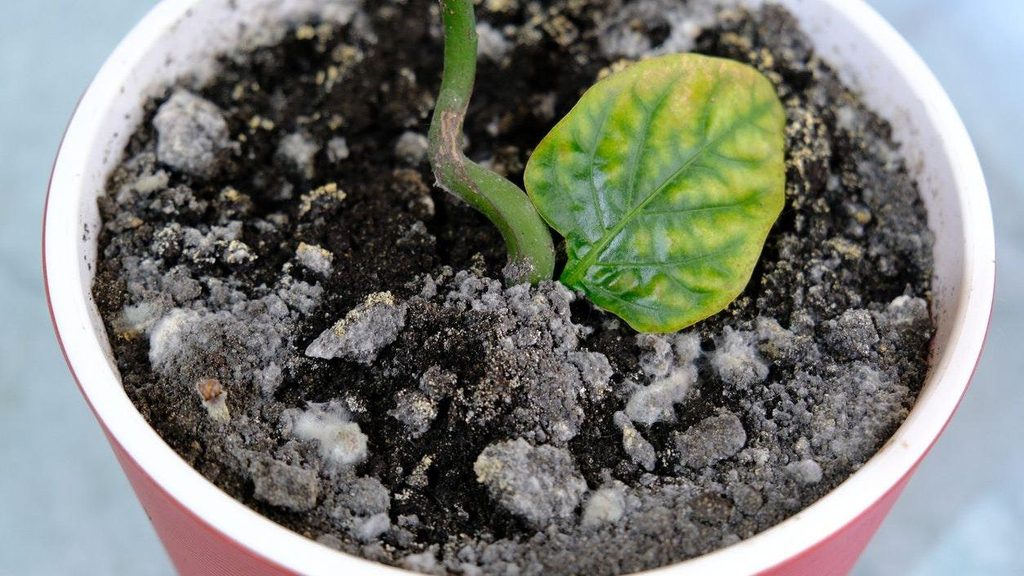
Even though the method is simple, a few mistakes can reduce the chances of success.
Using old, dried-out seeds: Fresh seeds are generally a better choice. Seeds that have been stored for a long time may have lower viability.
Keeping the paper towel too wet: Seeds need moisture, not standing water. Excessive moisture encourages mold and rotting.
Allowing the towel to dry completely: A dry environment can interrupt the germination process.
Using too much heat: Warmth helps, but placing seeds beside a radiator or in intense direct sunlight can overheat them.
Planting too deeply: A small seedling may struggle if it has been buried too far below the soil surface.
Giving up too early: Not every seed follows the same timetable. If the seeds still look healthy, give them more time.
9. How Long Does It Take for a Mandarin Tree to Produce Fruit?
Germinating a mandarin seed is only the beginning of the journey. Growing a mature tree that produces fruit takes considerably longer.
A mandarin tree grown from seed may take approximately 5–10 years or more to produce fruit, and fruit quality can be unpredictable. Seed-grown trees are not necessarily identical to the parent fruit.
This happens because citrus varieties can be genetically variable, and some seed-grown trees may take longer to mature.
If your main goal is to harvest delicious mandarins as quickly and reliably as possible, buying a grafted citrus tree is usually a better option. However, growing one from seed is a rewarding experiment and a lovely way to observe how a fruit tree develops from the beginning.
10. Can You Grow a Mandarin Tree in a Pot?
Absolutely! Mandarin trees can be grown in containers, especially when they are young. This is a practical option for people who have a balcony, terrace, or limited garden space.
Start with a small pot and gradually move the tree into larger containers as its roots develop.
For successful container growing:
- Choose a pot with drainage holes.
- Use well-draining citrus potting mix.
- Provide plenty of natural light.
- Water when the upper layer of soil starts to dry.
- Protect the tree from frost.
- Rotate the pot occasionally to encourage balanced growth.
As the tree becomes larger, it may need a substantial container to support its roots and branches.
Final Thoughts
Germinating a mandarin seed in just one week can be possible when you start with fresh, healthy seeds and provide the right conditions. The damp paper towel method is simple, inexpensive, and makes it easy to observe the first stages of growth.
Remember that seven days is an achievable possibility, not a guaranteed deadline. Some seeds will sprout quickly, while others need more time.
With a little patience and regular care, a small seed from an ordinary mandarin can become a beautiful citrus plant. Even if it takes years to produce fruit, watching the first root emerge and the first green leaves unfold is a gardening experience worth trying!
A Note About the One-Week Promise
For accuracy, seven days should be presented as an early possibility rather than a guaranteed result. University of Florida guidance indicates that citrus seedlings commonly emerge within approximately 2–3 weeks under suitable conditions, while other extension guidance reports that germination can sometimes begin around 7–10 days.