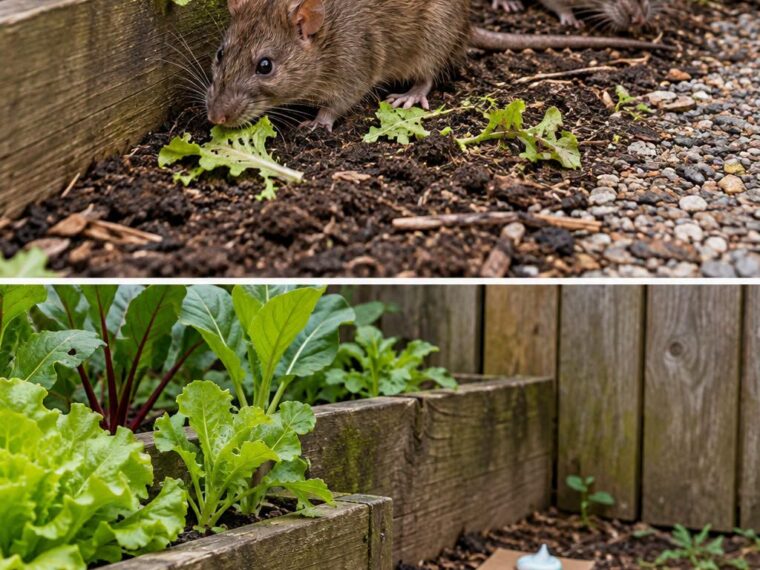
Finding rats in your garden can quickly turn a peaceful outdoor space into a frustrating problem. They may dig holes in the soil, damage vegetables, eat fallen fruit, disturb compost piles and even find their way into sheds, garages or homes.
Many gardeners look for simple, inexpensive ways to discourage these unwanted visitors. One surprising suggestion circulating online involves using an ordinary bathroom product as a homemade rat deterrent.
But does this unusual trick really work? And more importantly, is it safe for your plants, pets and garden wildlife?
Before trying any homemade solution, it is important to understand what attracts rats, what actually discourages them and which methods offer more reliable long-term protection.
1. The unusual bathroom product: strongly scented bar soap
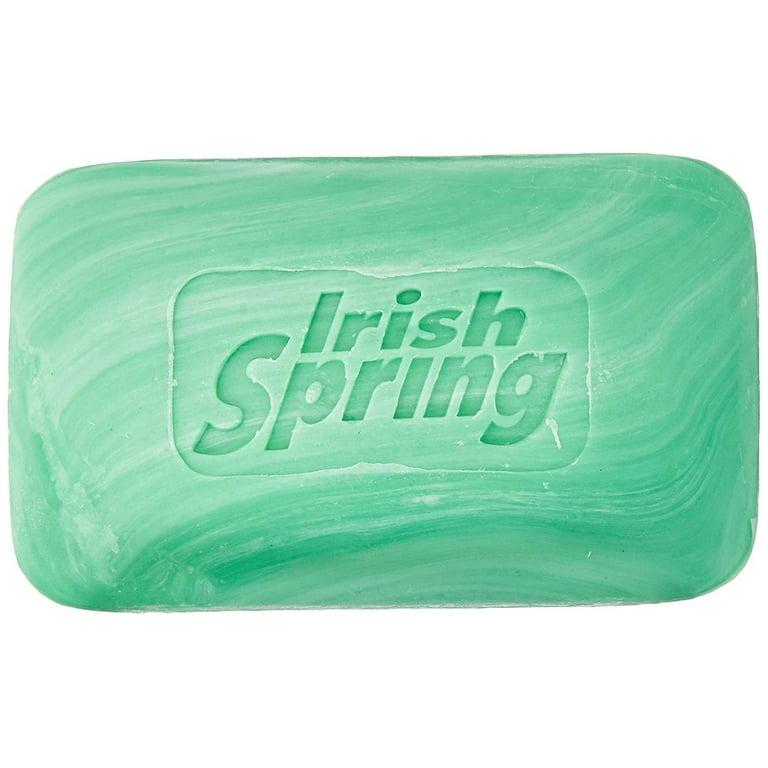
The bathroom product behind this popular gardening trick is strongly scented bar soap, particularly Irish Spring soap.
This green deodorant soap has a distinctive fragrance, which has led some gardeners to believe that hanging pieces of it around their gardens can discourage rats and other unwanted visitors.
The idea is simple: rodents rely heavily on their sense of smell, so an unfamiliar, powerful fragrance might make an area less attractive to them.
Some people recommend using the original green variety, cutting it into smaller pieces and placing them in small mesh bags around the garden.
However, there is an important distinction between a popular gardening trick and a scientifically proven pest-control method.
Does Irish Spring soap really repel rats?
There is currently no convincing scientific evidence that Irish Spring soap reliably repels rats or prevents an infestation. University Extension specialists describe the method as anecdotal, while the University of California’s Integrated Pest Management program warns that scented products, including soap bars, do not provide dependable rodent control. Ask Extension+2
You can experiment with this idea as a minor supplementary measure, but do not depend on it to protect your garden.
2. Why do people hang soap around their gardens?
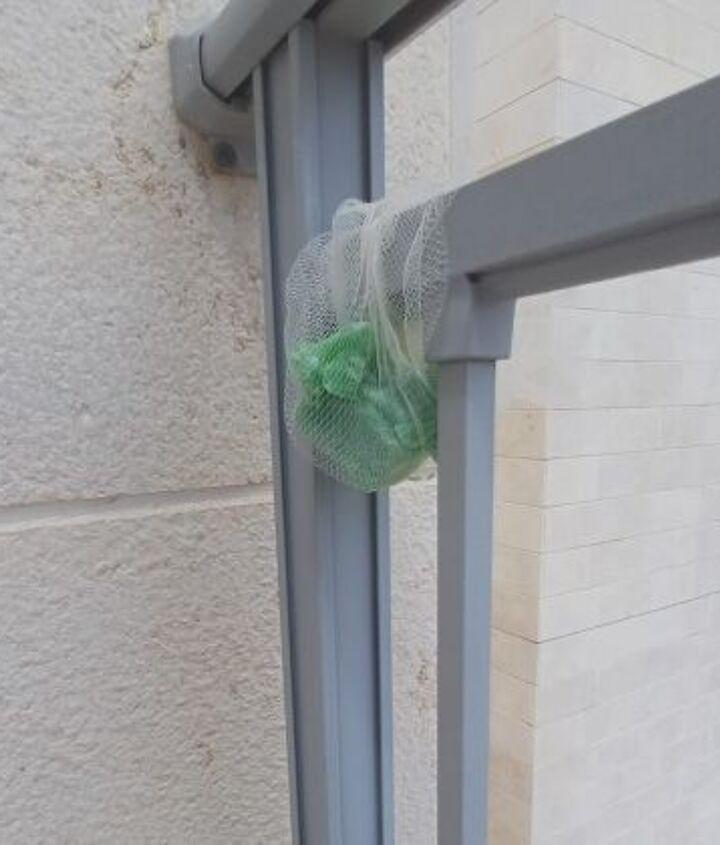
The soap method has become popular because it is inexpensive, easy to try and does not involve placing traditional rat poison around plants.
Gardeners generally believe that its strong fragrance may discourage animals from approaching certain areas.
The usual method involves:
- Using a strongly scented bar of soap.
- Cutting it into several smaller pieces.
- Placing the pieces inside breathable mesh bags.
- Hanging the bags from garden fences or stakes.
- Keeping them near areas where unwanted animal activity has been noticed.
Some people also grate the soap and distribute small quantities around garden borders.
Nevertheless, these approaches are based mainly on personal experiences rather than reliable scientific testing against rats.
My recommendation: If you want to try the soap trick, keep the soap contained in a mesh bag, away from edible plants, pets and children. Do not grate it directly onto the soil, spray dissolved soap onto vegetables or assume that it will eliminate rats.
3. How to try the soap trick without creating unnecessary problems
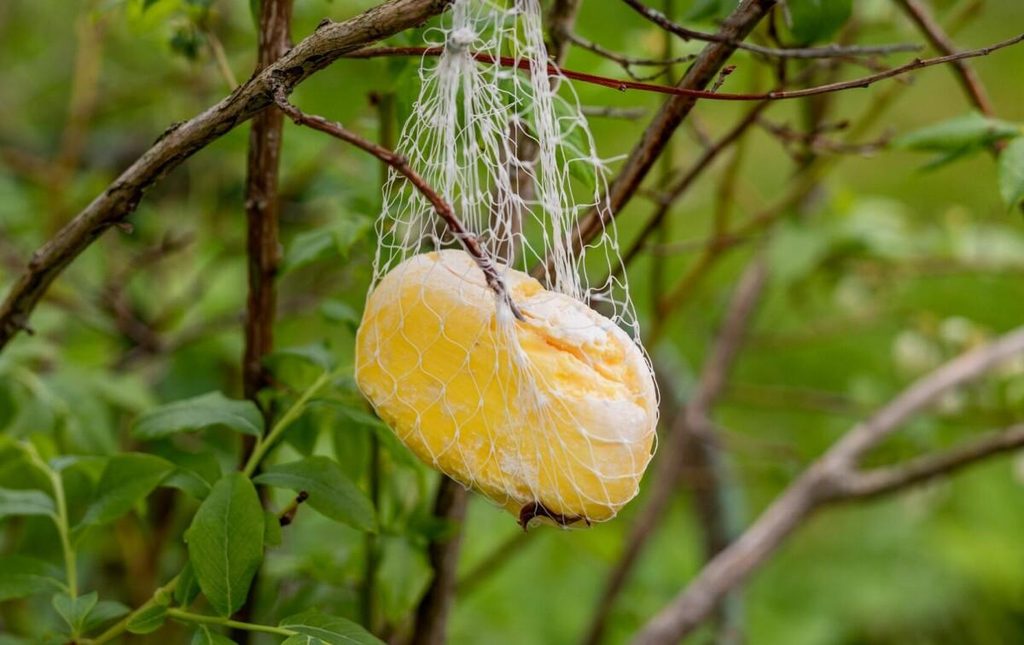
If you are curious about this popular method, here is a cautious way to test it.
What you need:
- One strongly scented bar of soap.
- Two or three small breathable mesh bags.
- Garden string or cable ties.
- A few garden stakes, if necessary.
Instructions:
- Cut the soap into several small pieces.
- Place the pieces inside the mesh bags.
- Close each bag securely.
- Hang the bags on fences or stakes around the garden perimeter.
- Keep them away from direct contact with vegetables, herbs and fruit.
- Observe whether there is any noticeable change in animal activity.
Avoid leaving loose pieces of soap where pets or wildlife could chew or swallow them.
Rain and watering will gradually wash away the fragrance and may release soap ingredients into the surrounding soil. Replace or remove the bags if they become damaged or begin leaking.
Remember that even if you notice fewer rats for a short period, this does not establish that the soap caused the change.
4. First, understand why rats are attracted to your garden
TO CONTINUE READING THE ARTICLE PLEASE SEE PAGE 2