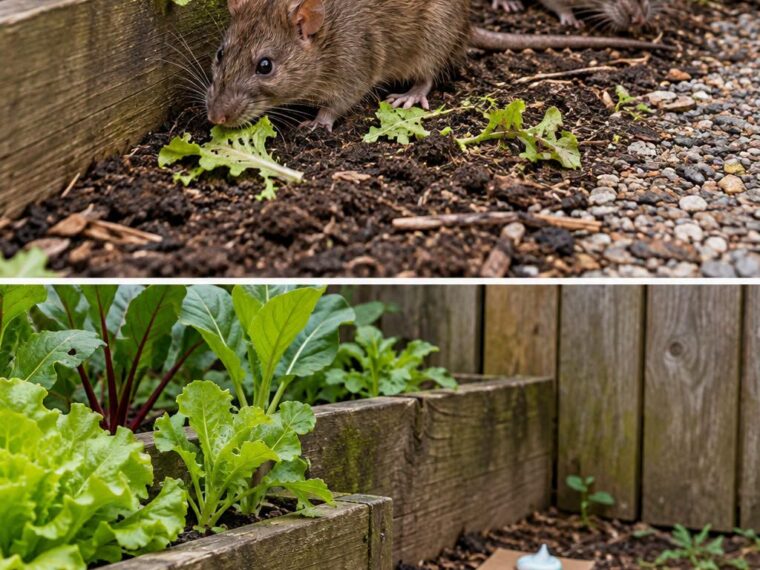
4. First, understand why rats are attracted to your garden
Before trying any deterrent, it is essential to understand what makes your garden attractive to rodents.
Rats are adaptable animals. They can survive in many environments as long as they can find enough food, water and suitable shelter.
Here are some of the most common attractions.
Fallen fruit and vegetables
Ripe fruit, damaged tomatoes, fallen apples and vegetables left on the ground provide an easy food source.
Rats are particularly opportunistic and can feed on a wide variety of garden produce.
Bird feeders
Birdseed is another common reason rats visit gardens.
Seeds that fall beneath feeders can accumulate and become a reliable food supply. If rats are appearing regularly, temporarily stopping feeding or changing to a less wasteful feeding system may help.
Compost piles
Compost heaps can provide both food and shelter.
Rats may be attracted by food scraps, particularly cooked leftovers, meat and dairy products. A poorly protected compost bin can also provide a comfortable place to build a nest.
Dense vegetation and clutter
Overgrown grass, piles of wood, old containers and unused garden materials provide hiding places.
Rats prefer sheltered routes where they can move without being easily noticed.
Water sources
Leaking taps, dripping irrigation pipes, standing water and accessible pet bowls can also make a garden more attractive.
Removing these attractions is considerably more dependable than relying on a scented soap bar. gardenersworld.com+2
5. How to recognize signs of rats in your garden
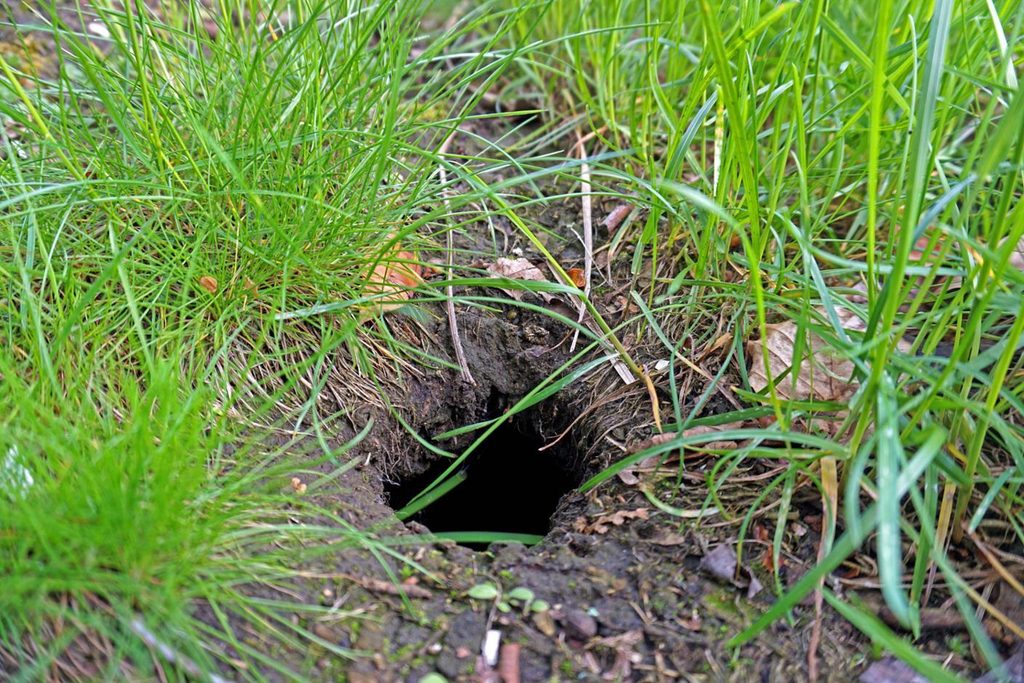
You do not always need to see a rat to know that rodents are visiting your garden.
Look for the following signs:
Small burrow entrances: Rats may dig holes near sheds, compost bins, fences and garden structures.
Droppings: Rat droppings are usually dark and elongated. Finding them near food sources or sheltered areas can indicate rodent activity.
Gnawed vegetables: Look for irregular damage and parallel tooth marks on fruit, vegetables and stored food.
Nesting materials: Shredded paper, dry leaves, fabric and other soft materials may indicate a nearby nest.
Regular nighttime activity: Rats are often more active after dark. You may hear scratching or notice movement near rubbish bins and compost areas.
If you find several of these signs, it is worth investigating promptly rather than waiting for the problem to become more serious.
6. Seven effective ways to discourage rats naturally
Instead of depending on one unusual bathroom product, combine several practical methods to make your garden less attractive to rodents.
Method 1: Remove fallen fruit and vegetables
Abfallwirtschaft Alb-Donau: Kreis stellt Container für Fallobst auf | swp.de
Walk around your garden regularly and collect fallen fruit, damaged vegetables and uneaten produce.
Do not leave ripe fruit underneath trees for several days.
If you grow tomatoes, pumpkins, cucumbers or other vegetables, harvest mature produce promptly and store it in secure containers.
This simple habit removes one of the most important reasons rats return to a garden.
Method 2: Protect your compost bin
Rats et Rongeurs dans le Compost : Solutions, Prévention et Dangers
Compost is useful for improving soil, but an unprotected compost heap can attract rodents.
To reduce the risk:
- Use a compost bin with a secure lid.
- Install sturdy, fine metal mesh around the base.
- Avoid adding meat, fish and cooked food scraps.
- Cover fresh food scraps with dry leaves or other suitable brown materials.
- Turn the compost regularly.
- Keep the surrounding area clean.
A properly protected compost bin makes it harder for rats to access food and establish burrows.
Method 3: Remove unnecessary hiding places
Woman raking garden waste during backyard cleanup
Take time to inspect the less frequently used corners of your garden.
Remove unnecessary piles of cardboard, old fabric, broken containers and accumulated rubbish.
Store firewood neatly, preferably raised above the ground and away from buildings.
You do not need to remove every natural habitat. The aim is to eliminate sheltered spaces close to food supplies, compost and buildings while preserving useful habitat for beneficial wildlife.
Method 4: Secure rubbish bins
Open rubbish containers are an easy source of food.
Choose bins with tightly fitting lids and make sure they cannot be knocked over.
Clean up spilled food around the bins and avoid leaving rubbish bags outside overnight.
If rats can no longer access food waste, your garden becomes less attractive to them.
Method 5: Fix leaking taps and irrigation pipes
Water is another essential resource for rodents.
Check your irrigation system, outdoor taps, water containers and drainage areas.
Repair leaking connections and avoid leaving unnecessary standing water around sheds and storage areas.
You do not need to remove bird baths or healthy garden ponds. Simply manage avoidable water sources that could attract rodents.
Method 6: Install protective barriers
Why Trapping Alone Doesn’t Solve Your Gopher Problem – West Pest Co.
Physical barriers are much more dependable than scented products.
For example, you can:
- Install sturdy metal mesh around vulnerable structures.
- Protect compost bins with rodent-resistant mesh.
- Secure openings beneath sheds and garden buildings.
- Use suitable metal barriers around areas where rats are digging.
For buildings, UC Integrated Pest Management recommends sealing openings larger than approximately 6 mm (¼ inch) with suitable rodent-resistant materials.
Do not rely on ordinary expanding foam alone, because rodents can chew through it. UC IPM+1
Method 7: Use suitable traps when necessary
If rats are already established in the garden, removing food and shelter may not be sufficient.
Appropriately selected and positioned traps can help reduce an existing population.
For safety:
- Choose traps designed specifically for rats.
- Place them along established rodent routes.
- Use protective trap boxes where children or pets could reach them.
- Check traps regularly.
- Follow the manufacturer’s instructions.
Avoid glue traps, which can cause prolonged suffering, and never place exposed traps where pets or wildlife may be caught.
For a persistent infestation, consider contacting a qualified pest-control professional.
7. Are other strong smells effective against rats?
Many homemade gardening articles recommend strong-smelling ingredients to discourage rats.
Some of the most commonly mentioned options include:
- Peppermint oil.
- Garlic.
- Rosemary.
- Vinegar.
- Strongly scented soap.
- Mothballs.
However, their effectiveness against rats is often exaggerated.
Rats may initially avoid unfamiliar smells, but they can become accustomed to them. Research-based pest-management guidance does not support relying on household fragrances or essential oils to eliminate an infestation.
Mothballs are particularly important to avoid outdoors. They are pesticide products intended for specific labelled uses, not general-purpose garden repellents. Using them incorrectly can expose people, pets and wildlife to harmful chemicals.
Likewise, never mix household cleaners, bleach, ammonia or other chemicals to create a homemade rodent repellent.
The safest approach is to remove the resources attracting rats and use appropriate physical control methods. Washington Department of Fish & Wildlife+2
8. Why you should avoid using rat poison carelessly
When rats become a serious problem, some gardeners immediately consider poison.
However, rodenticides can create risks beyond the targeted animals.
A poisoned rat may be eaten by an owl, fox, cat or another animal, exposing that animal to the poison.
Pets and children may also accidentally come into contact with improperly placed bait.
If chemical control becomes necessary, use only an authorised product according to its label and local regulations. Tamper-resistant bait stations and professional application may be necessary.
Never scatter loose poison around vegetable beds, compost piles or garden paths.
For many home gardens, removing food sources, protecting compost, sealing entry points and using appropriate traps are better first steps. HSE+2
9. Health precautions when rats have visited your garden
Shovel, watering can, hat, rubber boots, box of flowers, gloves and garden tools
Rats can carry organisms that cause disease in humans and animals. Their urine, droppings and saliva may contaminate surfaces, soil, stored food and other materials.
A few precautions can reduce unnecessary exposure.
- Wear gloves when handling contaminated materials.
- Keep children away from areas with visible droppings.
- Do not touch dead rodents with bare hands.
- Wash your hands thoroughly after gardening.
- Wash garden produce carefully under running water.
- Discard vegetables that have been visibly gnawed or contaminated.
If you find rat droppings, do not sweep or vacuum them while dry. This can release contaminated particles into the air.
For cleaning, wear suitable gloves, thoroughly wet the droppings with an appropriate disinfectant according to its label, allow the required contact time and wipe them up. Follow local public-health guidance for disposal.
If you discover a nest or a substantial accumulation of droppings, professional cleaning may be advisable. CDC+1
10. The best long-term strategy for a rat-free garden
The most effective approach is to make your garden less attractive to rats in the first place.
Here is a simple weekly maintenance routine:
| Task | How often |
|---|---|
| Collect fallen fruit and vegetables | Several times a week |
| Check rubbish bin lids | Daily |
| Inspect compost bin protection | Weekly |
| Remove unnecessary garden clutter | Weekly |
| Check for droppings and burrows | Weekly |
| Inspect sheds and garden buildings | Monthly |
| Repair leaks and damaged barriers | As needed |
Consistency is more important than trying a different homemade repellent every few days.
A clean, organised garden with secure food storage and protected compost is much less inviting to rodents.
Frequently Asked Questions
Does Irish Spring soap really keep rats away?
Some gardeners report that strongly scented soap discourages unwanted animals, but there is no convincing scientific evidence that Irish Spring reliably repels rats. It should never be considered a substitute for proper rodent control.
Which soap should I use?
Irish Spring’s original green bar is frequently mentioned in gardening discussions because of its distinctive fragrance. However, no particular soap has been scientifically established as an effective rat repellent.
Can I grate soap directly onto the soil?
It is not recommended. Soap ingredients may wash into the soil, and there is no reliable evidence that spreading soap shavings controls rats. If you experiment with the method, keep the soap contained in a mesh bag.
Will peppermint oil keep rats away permanently?
No. Although strong fragrances may temporarily affect animal behaviour, peppermint oil is not a dependable solution for an established rat infestation.
Do rats only visit gardens during winter?
No. Rats can be active throughout the year. Their activity may change with weather, food availability and nesting opportunities.
Should I destroy every rat hole I find?
Not immediately. First establish whether the hole is active and whether rats are actually responsible. Simply filling a burrow without addressing the surrounding food and shelter may not solve the problem.
Can rats damage vegetable gardens?
Yes. They may eat seeds, roots, fruits, vegetables and stored produce. They can also contaminate food with urine and droppings.
Final Thoughts: Is This Bathroom Product Really the Secret?
The idea of using a simple bar of strongly scented bathroom soap to discourage rats is certainly unusual. It is inexpensive, easy to try and has become popular among gardeners looking for alternatives to traditional pesticides.
Irish Spring soap is the product most commonly associated with this trick. Some people believe its strong fragrance makes gardens less attractive to rodents, but scientific evidence does not establish that it works reliably.
If you decide to experiment with it, keep the soap contained and treat it only as an unproven supplementary idea.
For lasting results, focus on what actually matters: remove accessible food, secure rubbish, protect compost, eliminate unnecessary hiding places and close potential entry points.
The real secret to discouraging rats is not a miracle bathroom product. It is making your garden a place where they can no longer find easy food, water and shelter.