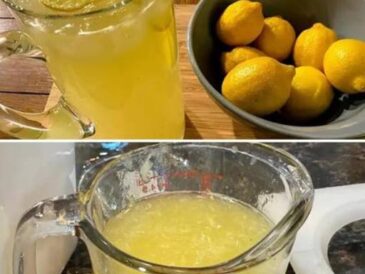
After squeezing the juice:
- Leave the peels intact.
- Remove any seeds.
- Cut oversized pieces if necessary.
Don’t worry if a little pulp remains.
It actually helps release more citrus oils.
Step 2: Fill a Glass Jar
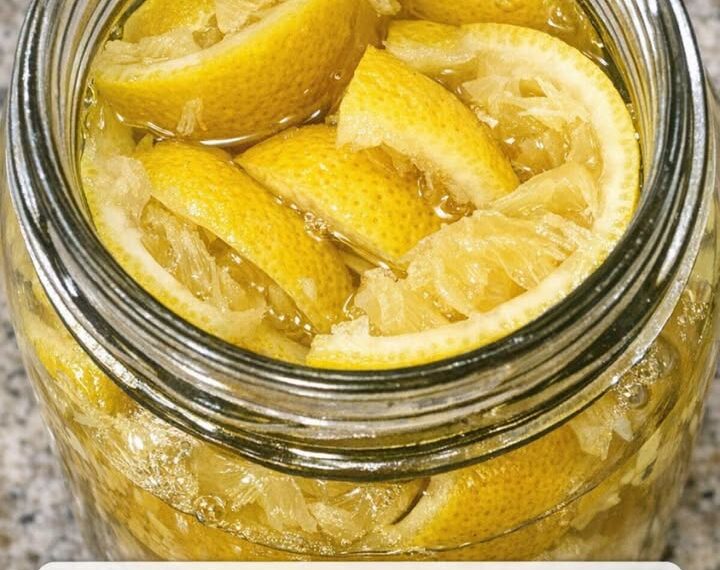
Place all the lemon halves inside a clean glass jar.
Avoid using metal containers because vinegar can react with certain metals.
Step 3: Pour in White Vinegar
Cover the lemon peels completely with white vinegar.
Every piece should remain submerged.
Seal the jar tightly.
Step 4: Let It Infuse
Store the jar in a cool, dark place.
Allow the mixture to infuse for:
- 2 weeks (minimum)
- 3–4 weeks for a stronger citrus scent
Shake the jar gently every few days.
Over time, the vinegar will turn slightly yellow and develop a pleasant lemon aroma.
Step 5: Strain the Liquid
After the infusion period:
- Remove the peels.
- Pour the liquid through a fine strainer.
- Discard or compost the used peels.
Your citrus-infused vinegar is now ready.
Step 6: Dilute for Everyday Cleaning
For general household cleaning, mix:
- 1 part lemon vinegar
- 1 part water
Pour into a spray bottle.
Shake before each use.
Where You Can Use It
This homemade cleaner works well on many surfaces.
Kitchen Countertops
Cuts grease and food residue.
Stainless Steel Appliances
Removes fingerprints and restores shine.
Always wipe dry afterward.
Glass Windows
Leaves glass sparkling with fewer streaks.
Bathroom Fixtures
Helps dissolve soap scum and water spots.
Shower Doors
Excellent for removing hard water deposits.
Faucets
Restores shine to chrome and stainless steel.
Sink Drains
Helps neutralize odors.
Microwave
Spray inside, wait several minutes, then wipe clean.
Refrigerator Shelves
Leaves a fresh citrus scent while removing sticky spills.
Trash Cans
Reduces unpleasant odors naturally.
Surfaces to Avoid
Although vinegar is an excellent cleaner, it should not be used on:
- Natural marble
- Granite
- Quartzite
- Limestone
- Concrete
- Waxed furniture
- Unsealed wood
The acidity can damage these surfaces over time.
Why This Cleaner Works
The cleaning power comes primarily from acetic acid in vinegar.
Acetic acid helps dissolve:
- Calcium deposits
- Hard water stains
- Soap residue
- Greasy films
The lemon peel contributes:
- Limonene, a natural solvent found in citrus oils that helps loosen grease.
- A fresh scent that makes vinegar less pungent.
- Small amounts of citric acid, which may aid in cleaning.
While the vinegar does the heavy lifting, the lemon enhances the cleaning experience.
Other Ways to Reuse Lemon Peels
If you don’t want to make cleaner, don’t throw those peels away.
They can also be used for:
Compost
Lemon peels add organic matter to compost in moderation.
Garbage Disposal Freshener
Freeze chopped peels in ice cubes and run them through the disposal.
Simmer Pot
Boil peels with cinnamon sticks and cloves for a natural home fragrance.
Homemade Citrus Scrub
Mix finely chopped peels with baking soda for scrubbing sinks (avoid delicate surfaces).
Natural Air Freshener
Dry the peels and place them in decorative bowls around the home.
Frequently Asked Questions
Can I use apple cider vinegar?
Yes, but white distilled vinegar is generally preferred because it is clearer, less expensive, and leaves less residue.
Can I use oranges or limes instead?
Absolutely.
Orange, lime, and grapefruit peels work just as well.
Many people even combine different citrus fruits.
How long does the cleaner last?
Stored in a sealed bottle away from direct sunlight, it typically lasts several months.
Does it disinfect?
Vinegar can reduce some bacteria on household surfaces, but it is not considered a hospital-grade disinfectant. For situations requiring true disinfection—such as after handling raw meat or during illness—use an EPA-registered disinfectant according to its label instructions.
The Environmental Benefits
Reusing lemon peels instead of discarding them helps:
- Reduce kitchen waste.
- Decrease reliance on disposable cleaning products.
- Lower plastic bottle consumption.
- Make use of inexpensive, readily available ingredients.
It’s a simple habit that supports a more sustainable household.
Final Thoughts
The next time you squeeze a lemon, think twice before tossing the peels. By soaking leftover lemon halves in white vinegar, you can create a fresh-smelling, effective cleaner that tackles everyday messes throughout your home.
While it isn’t a substitute for specialized disinfectants or cleaners on delicate stone surfaces, this DIY solution is an excellent all-purpose option for glass, stainless steel, sinks, bathrooms, and many other washable surfaces. Best of all, it transforms something you’d normally throw away into a practical, eco-friendly product you’ll reach for again and again.