3. How does the absorbent material inside a diaper work?
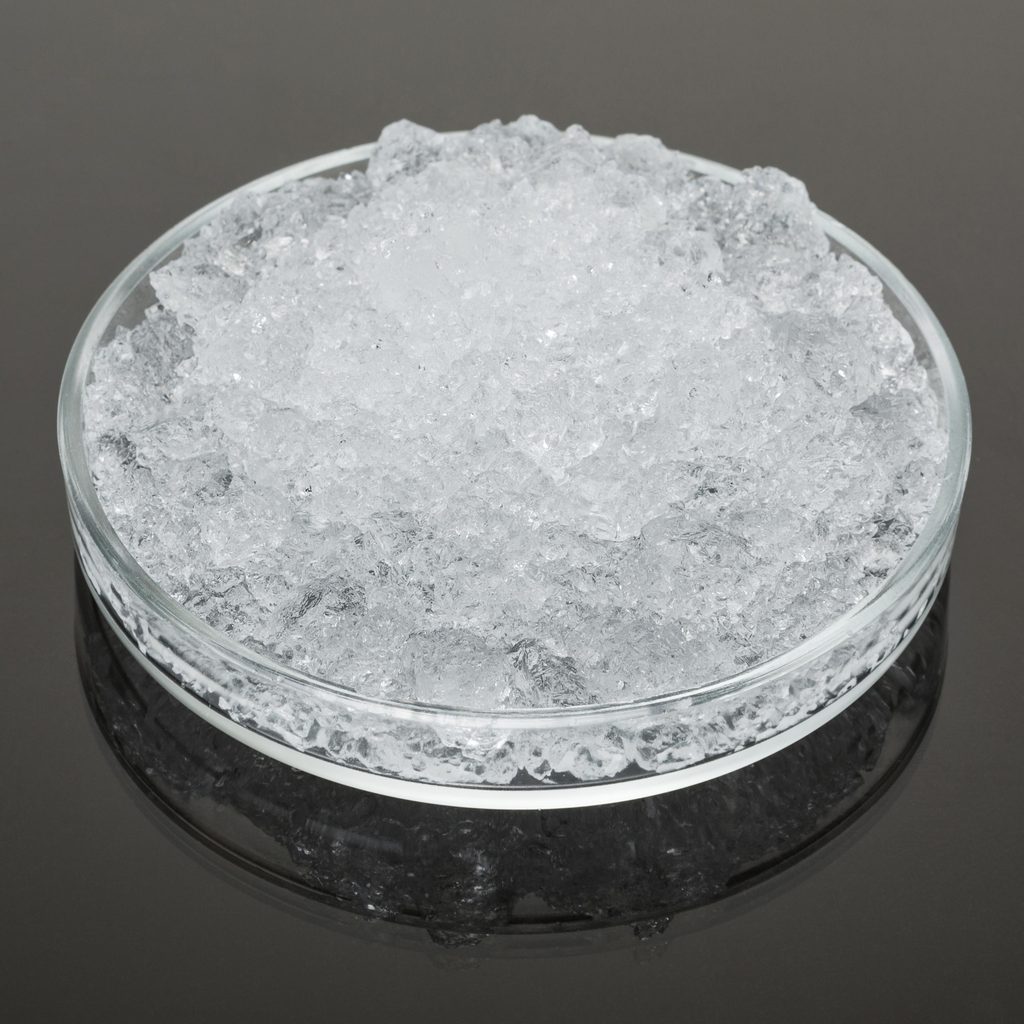
The absorbent material inside a disposable diaper works through a process called absorption and swelling.
When water comes into contact with the polymer, the material takes it up and forms a gel.
Think of it as a tiny water reservoir.
When mixed appropriately into a growing medium, a suitable hydrogel can retain water and release some of it as the surrounding conditions change.
This is the principle behind commercial water-retaining products sold for gardening.
In fact, the Royal Horticultural Society explains that water-retaining granules can be mixed into potting compost for containers and hanging baskets to increase their water-holding capacity. RHS Advice+1
The interesting part is that similar absorbent materials can be found inside many everyday disposable diapers.
4. How to try the diaper gardening trick
If you are curious about this method, it is important to understand that placing an entire diaper underneath the soil is not the same as using a properly formulated gardening hydrogel.
For a safer and more controlled experiment, consider using a commercially manufactured, horticultural-grade water-retaining product according to its instructions.
Here is how to prepare your hanging basket:
Step 1: Choose the right hanging basket
Select a sturdy basket with sufficient drainage holes. Good drainage is essential for healthy roots.
Step 2: Use quality potting compost
Choose a lightweight potting mix designed for containers and hanging baskets. Avoid using heavy garden soil, which can become compacted.
Step 3: Add a suitable moisture-retaining product
If you choose a horticultural hydrogel, follow the manufacturer’s recommended quantity. Do not assume that more absorbent material will produce better results.
Step 4: Plant your flowers
Arrange your favorite spring flowers in the basket. Petunias, lobelia, verbena, and trailing geraniums are popular choices.
Step 5: Water thoroughly
After planting, water the basket until the compost is evenly moist and excess water can drain freely.
Step 6: Monitor the moisture
Check the compost regularly. Even when moisture-retaining materials are present, plants still need appropriate watering.
5. What could happen after one month?
This is where the gardening experiment becomes particularly interesting.
Imagine preparing two identical hanging baskets with the same flowers, the same potting compost, and the same position on your porch.
You water both baskets equally at the beginning.
Over the following weeks, one basket may dry out more quickly than the other, depending on how much moisture the growing medium can retain.
A suitable water-retaining hydrogel may help the treated basket maintain moisture for longer.
After approximately one month, you might observe:
- Flowers that remain hydrated for longer between watering sessions.
- Foliage that looks fresher when temperatures rise.
- Less frequent need to replenish moisture, depending on the weather.
- More consistent moisture in the growing medium.
- Less water escaping immediately through the drainage holes.
However, these are possible outcomes, not guaranteed results. There is no reliable evidence that placing an ordinary unused diaper at the bottom of every hanging basket will produce these exact results after 30 days.
The type of diaper, quantity of absorbent material, compost, flower species, temperature, and watering routine all influence the outcome.
6. Is it actually safe to put a whole baby diaper in your flower basket?
This is probably the most important question before trying the trick.
Although the absorbent polymer inside a diaper has potential gardening applications, an entire disposable diaper contains more than just moisture-retaining gel.
It can also contain cellulose pulp, synthetic fibers, adhesives, elastic components, and other materials.
There are several reasons to be cautious.
It can interfere with drainage.
If a diaper swells significantly, it may occupy space needed for water movement. A hanging basket that stays excessively wet can develop root problems.
Too much retained water can harm roots.
Plant roots need oxygen as well as water. Permanently saturated compost can encourage root rot and other problems.
The absorbent material may not behave like commercial gardening gel.
Its performance depends on the composition of the diaper, the surrounding soil, and the water available.
Hygiene and disposal matter.
Only unused, clean diapers should ever be considered for such experiments. Never reuse a diaper that has been worn by a baby.
There is also an environmental consideration: synthetic polymers do not simply disappear when placed in garden soil.
The Royal Horticultural Society currently advises caution with synthetic water-retaining granules because their composition and breakdown in the environment are not fully understood. RHS Advice+1
For these reasons, I would recommend a purpose-made horticultural hydrogel rather than burying an intact disposable diaper in a flower basket.
7. Which flowers benefit most from better moisture retention?
Many popular hanging basket flowers appreciate consistently moist, well-drained compost.
Here are some beautiful options for spring and summer.
Petunias
Petunias are among the most popular hanging basket flowers. They produce abundant blooms in a wide range of colors and look particularly beautiful when allowed to trail over the sides.
They need regular watering, especially during hot weather.
Calibrachoa (Million Bells)
These small, colorful flowers create a beautiful cascading effect. They are excellent for hanging baskets and containers.
They appreciate evenly moist but well-drained growing conditions.
Lobelia
Lobelia produces delicate flowers that look wonderful spilling over the edges of baskets.
It generally prefers cooler conditions and consistent moisture, particularly when grown in sunny locations.
Trailing Verbena
Verbena is loved for its clusters of colorful flowers and long flowering season. It can create a beautiful cascading display when planted in hanging containers.
Good drainage is particularly important because overly wet soil can damage its roots.
8. Other ways to keep hanging baskets moist for longer
You do not necessarily need unusual household tricks to keep your hanging flowers healthy.
There are several simple techniques that can make a noticeable difference.
Choose a larger basket.
A larger container generally holds more potting compost and therefore has a greater capacity to store moisture.
Use quality potting compost.
A good container-growing mix can help balance water retention and drainage.
Add a layer of organic mulch.
A thin layer of suitable organic mulch can help reduce moisture loss from the surface of the compost.
Water deeply rather than lightly.
Water until the entire root zone is properly moistened and excess water drains away.
Protect baskets from excessive afternoon heat.
If your flowers are suffering in intense summer sunshine, consider moving them to a location with suitable afternoon shade.
Check baskets every day during hot weather.
Small hanging baskets can dry out very quickly. Regular checks are especially important during heatwaves.
9. A simple experiment you can try at home
If you really want to discover whether moisture-retaining products make a difference, you can conduct a simple gardening experiment.
Prepare two identical hanging baskets.
- Use the same type and quantity of potting compost.
- Plant the same number of flowers in each basket.
- Keep both baskets in similar lighting and temperature conditions.
- Add a horticultural-grade moisture-retaining product to only one basket, following its instructions.
- Water both baskets consistently.
- Check the compost moisture and observe the flowers over the following four weeks.
Keep a small gardening notebook and record how often you need to water each basket.
At the end of the month, compare their appearance, flower production, foliage, and soil moisture.
This will give you a much better idea of whether the product makes a difference under your own growing conditions.
Final thoughts: A surprising gardening idea worth investigating!
Sometimes, the most interesting gardening ideas come from looking at ordinary household objects in a completely different way.
A disposable baby diaper might seem like the last thing you would expect to find in a flower basket, but its absorbent technology has inspired genuine scientific research into water retention in agriculture.
The principle is fascinating: materials designed to absorb liquid can potentially help growing media retain moisture.
Nevertheless, an ordinary diaper is not a tested substitute for a gardening product, and using one whole at the bottom of a hanging basket may create drainage and environmental problems.
For gardeners who struggle to keep their spring flowers hydrated, a suitable horticultural hydrogel, good-quality compost, proper drainage, and regular watering are much more dependable options.
And sometimes, the simplest gardening improvements are the ones that make the biggest difference!
Have you ever tried using a baby diaper in a flowerpot or hanging basket? Would you be willing to test this unusual gardening trick? Share your experience in the comments!