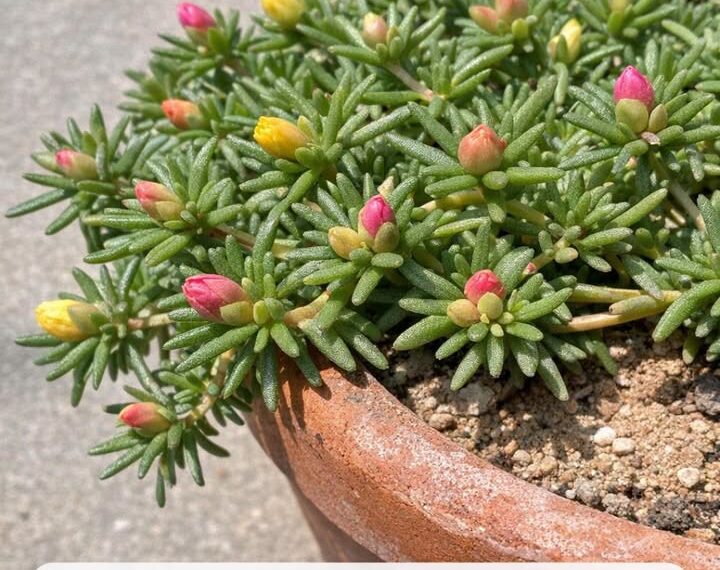
6. Protect Containers From Extreme Heat 🔥
Portulaca loves heat, but container-grown plants can experience more extreme conditions than plants growing directly in the ground.
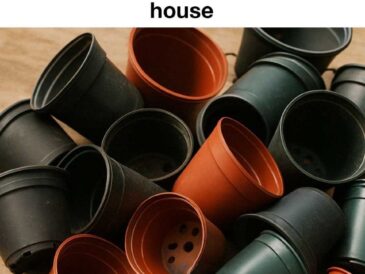
During a heatwave, dark-colored or small containers can become extremely hot.
The roots may be exposed to temperatures much higher than those experienced by plants growing in garden soil.
If you notice that your container dries out extremely quickly, consider:
- Checking the soil more frequently
- Moving the pot slightly away from heat-reflecting surfaces
- Using a larger container
- Grouping containers together
- Adding a layer of suitable mulch around the soil surface, while keeping the base of the stems clear
Do not assume that because portulaca is drought tolerant, a plant growing in a small pot can survive indefinitely without water.
The soil volume in containers is limited, so it can dry much faster than garden soil.
The key is balance: avoid constantly wet soil, but do not allow the plant to remain severely dehydrated for long periods.
7. Watch Out for Rainy Periods and Root Rot 🌧️
Ironically, one of the biggest challenges for portulaca may not be heat at all.
It can be too much water.
A long period of summer rain can leave the soil saturated.
If your portulaca begins to look unhealthy after heavy rainfall, check whether water is draining properly.
Warning signs may include:
- Soft stems
- Yellowing foliage
- Wilting despite wet soil
- Dark or damaged areas near the base of the plant
- A general decline in growth
For container plants, make sure drainage holes are not blocked.
Avoid placing pots inside decorative containers where excess water cannot escape.
If heavy rain is expected, movable containers can sometimes be placed in a protected but still bright location.
Keeping the roots from sitting in water may be more important than watering the plant again.
8. Take Cuttings or Save Seeds From Your Best Plants 🌿
July is also a good time to think ahead.
If you have a particularly healthy portulaca with beautiful flowers and strong growth, you may want to preserve it.
Depending on the variety, gardeners may collect mature seeds after flowering or propagate suitable plants from cuttings.
Before taking cuttings or collecting seeds, make sure the plant is healthy and free from obvious disease.
Choose strong stems rather than weak or damaged ones.
Saving seeds or propagating your favorite plants can help you enjoy similar flowers in future growing seasons.
It is also a wonderful way to build your collection without having to start from scratch every year.
Why Is My Portulaca Not Blooming?
If your portulaca has stopped flowering or is producing fewer blooms, don’t panic.
Several factors may be responsible.
Possible causes include:
Not enough sunlight:
Portulaca needs plenty of direct sunshine to perform at its best.
Too much water:
Constantly wet soil can stress the roots and reduce the plant’s overall health.
Poor drainage:
Waterlogged roots can lead to serious problems.
Too much fertilizer:
Excess nutrients may encourage leaves instead of flowers.
Extreme container conditions:
Small pots can dry out or overheat very quickly.
Natural flower cycles:
Plants may sometimes have periods of heavier and lighter flowering.
Before changing everything at once, examine the growing conditions.
Often, one small adjustment can make a noticeable difference.
The Perfect Summer Plant for Hot Gardens
One of the reasons gardeners love portulaca is its ability to bring bright color to places where other flowers struggle.
It can be an excellent choice for:
- Sunny patios
- Balconies
- Rock gardens
- Window boxes
- Hanging baskets
- Dry garden areas
- Borders
- Containers
The combination of drought tolerance, colorful flowers, and low-growing foliage makes it particularly attractive for summer gardens.
And because the flowers come in so many colors, a few plants can create an impressive display.
Pink, yellow, orange, red, white, and mixed varieties can turn an ordinary container into a burst of summer color.
A Simple July Care Routine for Portulaca
If you want to keep things simple, follow this routine:
Every few days:
- Check the soil moisture.
- Look for damaged or unhealthy stems.
- Remove faded flowers if needed.
- Make sure containers are draining properly.
During extreme heat:
- Monitor container plants more closely.
- Water when the soil has dried appropriately.
- Avoid leaving roots completely dry for extended periods.
- Check for heat stress.
After heavy rain:
- Make sure excess water can drain away.
- Remove damaged or rotting plant material.
- Avoid adding more water until the soil has dried sufficiently.
Once in a while:
- Trim overly long or weak growth.
- Check for pests or disease.
- Avoid excessive fertilization.
Final Thoughts 🌺
Portulaca may be one of the toughest flowering plants in the summer garden, but even tough plants benefit from the right care.
The secret is not to pamper it too much.
Give it plenty of sunshine, fast-draining soil, sensible watering, and just enough maintenance to keep it healthy.
Avoid the two common extremes: constantly soaking the roots or completely ignoring a container plant during a severe heatwave.
With the right balance, your portulaca can continue producing its cheerful, colorful flowers when many other garden plants are struggling under the summer sun.
So before the hottest days of July arrive, take a few minutes to check your portulaca.
A little attention now could help keep those beautiful blooms coming for weeks to come. 🌸☀️