If you’ve ever found a low-growing plant spreading through your garden, cracks in the patio, or around your vegetable beds and immediately reached for the weeding tools, you may want to take a closer look.
Purslane (Portulaca oleracea) is one of those plants that many gardeners consider a stubborn weed—but it has been eaten and cultivated as a vegetable in many parts of the world for generations.
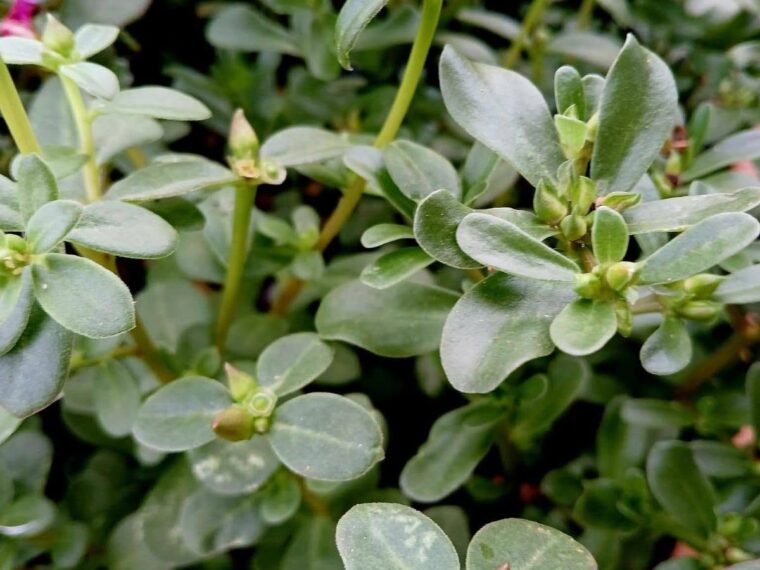
The plant in the image has the characteristic thick, succulent-like leaves, reddish-green stems, and small flowers associated with purslane. Its fleshy leaves allow it to tolerate heat and dry conditions remarkably well, which is one reason it can become such a persistent garden visitor.
And if you know how to identify it correctly and harvest it from a clean location, purslane can become much more than something you throw into the compost pile.
From fresh salads and soups to pesto, sautéed dishes and homemade dried seasoning, there are plenty of ways to use it.
🌿 What Exactly Is Purslane?
Purslane is a low-growing annual succulent with smooth, fleshy leaves and stems.
Its botanical name is Portulaca oleracea.
You’ll often find it growing close to the ground rather than standing upright like many traditional garden vegetables. The stems can spread outward, forming a dense mat.
Look closely and you’ll notice:
- Thick, smooth stems
- Fleshy, oval or spoon-shaped leaves
- Green to reddish stems
- Small yellow flowers
- A preference for warm, sunny conditions
- Remarkable tolerance of dry soil
Those fleshy leaves aren’t accidental.
Purslane stores water in its tissues, which helps explain why the plant can remain surprisingly green during hot, dry periods.
🌱 Why Gardeners Often Call It a Weed
Purslane has an impressive survival strategy.
It doesn’t need a pampered vegetable garden to thrive.
Give it sunshine, warmth and a small amount of moisture, and it can establish itself quickly.
It can grow in:
- Vegetable beds
- Garden paths
- Cracks in paving
- Bare soil
- Containers
- Disturbed ground
- Areas where other plants struggle
Its ability to produce seeds also helps it return year after year.
That’s why one gardener may look at purslane and see an annoying weed while another sees a free edible vegetable.
The difference is often perspective—and identification.
🥗 Yes, Purslane Is Edible
One of the most interesting things about purslane is that it isn’t merely edible in theory.
It has a long history as a food plant in different culinary traditions.
The leaves and tender stems can be eaten fresh or cooked.
They have a distinctive texture: crisp and succulent when raw, with a slightly mucilaginous quality when cooked.
The flavor is often described as mildly sour, tangy or lemony.
That makes it particularly interesting in salads and dishes that benefit from a fresh, slightly acidic flavor.
🥬 Fresh Purslane in Salads
One of the easiest ways to enjoy purslane is simply to use the tender leaves and stems fresh.
Wash them thoroughly, remove any tough portions, and combine them with other salad ingredients.
Try mixing purslane with:
- Tomatoes
- Cucumber
- Red onion
- Fresh herbs
- Lemon juice
- Olive oil
- Feta or another crumbly cheese
- A pinch of salt and pepper
Because purslane has a naturally juicy texture, it can make a salad feel particularly fresh.
And unlike many leafy greens, it doesn’t become completely limp the moment you add dressing.
🌿 The Purslane Pesto That Surprised Everyone
The idea of making pesto from purslane might sound unusual at first.
But it works surprisingly well.
The plant’s fresh, slightly tangy flavor pairs beautifully with basil, olive oil and lemon.
Try this simple combination:
- 2 cups fresh purslane
- 1 cup fresh basil
- ½ cup olive oil
- 1–2 tablespoons lemon juice
- 1 garlic clove
- ¼ cup grated Parmesan
- A small handful of nuts or seeds
- Salt and black pepper to taste
Place everything in a food processor and blend until you reach your preferred consistency.
You can make it smooth or leave it slightly chunky.
The result is a bright, herbaceous pesto with a flavor that’s a little different from traditional basil pesto.
Serve it with:
- Pasta
- Toast
- Roasted vegetables
- Potatoes
- Grilled chicken
- Fish
- Sandwiches
You can also freeze small portions for later.
🥓 Purslane With Bacon
If you want something much more savory, try sautéing purslane with bacon.
Cook chopped bacon until crisp.
Remove some of the excess fat if necessary, then add cleaned purslane and cook briefly until the stems become tender.
Season with black pepper and, if desired, a little garlic.
Serve it over rice, potatoes or alongside eggs.
The salty richness of bacon works particularly well with the fresh, slightly tart character of purslane.
It’s a perfect example of how an ordinary garden “weed” can become a surprisingly good side dish.
🍲 Add It to Soups
Purslane can also be used in soups and stews.
Because it becomes softer and more succulent when cooked, it can contribute both texture and body to a dish.
Add tender purslane toward the later stages of cooking if you want it to retain some texture.
For a simple vegetable soup, combine it with:
- Tomatoes
- Onion
- Garlic
- Carrots
- Potatoes
- Beans
- Vegetable broth
- Fresh herbs
The slightly tangy flavor can give an otherwise ordinary vegetable soup a little extra character.
🫙 You Can Even Dry It
This is where the idea shown in the original post becomes especially useful.
If you have more purslane growing than you can eat fresh, dehydrating it can help preserve it for later use.
Start with healthy, young plants harvested from a clean area.
Basic method:
TO CONTINUE READING THE ARTICLE PLEASE SEE PAGE 2