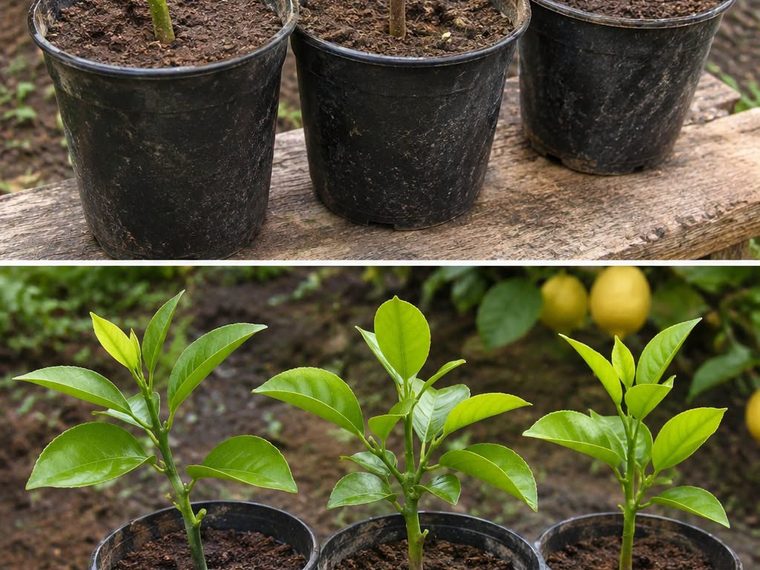
Imagine turning a small branch from a healthy lemon tree into a brand-new lemon plant without purchasing seeds, expensive equipment or a young tree from a nursery. It might sound difficult, but there is a surprisingly simple gardening technique that allows you to propagate lemon trees using stem cuttings.
Many experienced gardeners and farmers use this method to multiply their favourite citrus varieties. With the right cutting, suitable growing conditions and a little patience, you may begin seeing signs of new growth within a few weeks.
The secret is not a magical fertilizer or an unusual kitchen ingredient. It is a combination of selecting the right branch, encouraging root development, maintaining humidity and providing the ideal environment for the cutting to establish itself.
The popular claim that lemon cuttings can grow in just 30 days deserves a closer look. Under favourable conditions, some cuttings can begin developing roots within several weeks, although successful rooting is not guaranteed within exactly 30 days. Growing a strong, fruit-producing lemon tree takes considerably longer.
Here is how to use this practical propagation technique at home, step by step.
1. Why Growing Lemon Trees from Cuttings Is Such a Good Idea

Lemon trees are among the most rewarding fruit trees to grow at home. They produce fragrant flowers, attractive evergreen leaves and delicious fruits that can be used in cooking, drinks and homemade recipes.
However, growing a lemon tree from seed is not always the best option.
Seed-grown lemon trees can take many years to produce fruit, and the resulting plants may not have exactly the same characteristics as the parent tree.
Stem cuttings offer an interesting alternative.
A cutting is a small piece of a healthy branch that can develop its own roots under suitable conditions. Because it comes from an existing tree, the new plant is genetically very similar to the original.
This means you can potentially reproduce a lemon variety that already produces:
- Large, juicy lemons.
- Fragrant flowers.
- Attractive green foliage.
- Fruits with the flavour and characteristics you enjoy.
Another advantage is that you do not need to wait for a seed to germinate before starting the propagation process.
2. The Farmer’s Secret: Choosing the Perfect Lemon Branch
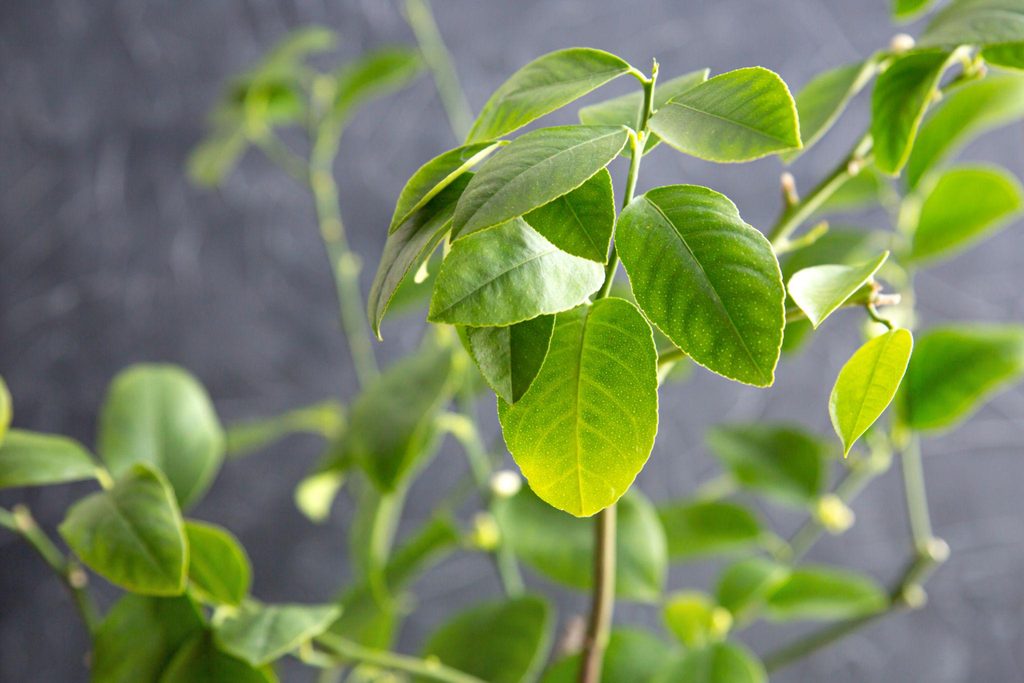
A green branch of a lemon tree illuminated by the sun on a gray background.
The first and perhaps most important step is selecting the right branch.
Not every branch has the same ability to produce roots. Very young shoots can be too soft, while older branches may be too woody and difficult to root.
Experienced gardeners generally look for semi-hardwood growth: branches that have started to mature but are not completely hardened.
What should you look for?
- Choose a healthy branch from a vigorous lemon tree.
- Look for a branch that is approximately 10–15 centimetres long.
- Select a stem that is firm but still slightly flexible.
- Avoid branches with yellow leaves, disease symptoms or insect damage.
- Prefer branches without flowers or developing fruits.
The best material is generally taken from a healthy, disease-free parent plant.
Use clean, sharp pruning scissors to make the cut. A clean cut helps reduce unnecessary damage and the risk of spreading plant diseases.
Farmer’s tip: Prepare several cuttings instead of relying on just one. Not every cutting will successfully develop roots, so preparing multiple pieces improves your chances of obtaining at least one healthy plant.
3. Prepare the Lemon Cutting Correctly
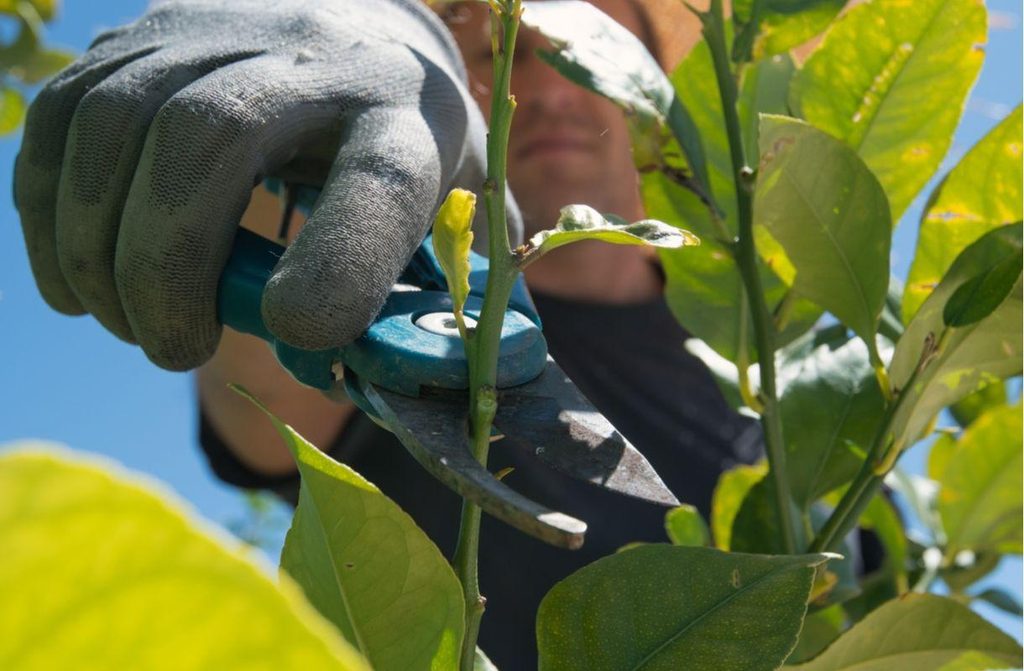
Once you have selected your branch, the next step is preparing it for propagation.
This stage is important because the cutting initially has no functioning root system. It must retain enough moisture while developing the ability to absorb water independently.
Follow these steps:
Step 1: Make the lower cut
Cut approximately 10–15 centimetres of healthy stem, preferably just below a leaf node. A node is the point where a leaf or bud emerges from the stem.
Step 2: Remove the lower leaves
Remove the leaves from the lower portion of the cutting. These leaves would otherwise become buried in the growing medium and could rot.
Step 3: Keep a few leaves at the top
Leave two or three healthy leaves near the upper end. If the leaves are large, reduce their surface area by trimming them partially.
Leaves help provide the energy needed for root development through photosynthesis, but excessive leaf area increases water loss.
Step 4: Prepare the rooting end
Make sure the lower end is clean and free from damaged tissue.
At this stage, your lemon cutting is ready for the rooting process.
4. Use Rooting Hormone to Encourage Faster Root Development

Here is one technique that professional nurseries and experienced gardeners often use: rooting hormone.
Rooting hormones contain plant growth regulators called auxins. These substances help stimulate the formation of adventitious roots, which are roots that develop from stem tissue rather than existing roots.
One commonly used rooting hormone is indole-3-butyric acid (IBA).
To use it:
- Pour a small quantity of commercial rooting powder into a separate container.
- Lightly moisten the bottom of the cutting if the product instructions recommend it.
- Dip the lower portion into the rooting powder.
- Gently remove excess powder.
- Plant the treated cutting immediately.
Always follow the manufacturer’s instructions concerning concentration and application.
Rooting hormone can improve the chances of successful propagation, but it does not guarantee roots within 30 days.
According to the University of Florida’s citrus propagation guide, commercial citrus propagation techniques use rooting hormones, suitable growing media and high-humidity conditions to help cuttings establish themselves. Ask IFAS+1
5. Prepare the Perfect Soil Mixture
TO CONTINUE READING THE ARTICLE PLEASE SEE PAGE 2