If your zinnias have filled the garden with bright, colorful blooms this season, don’t let those flowers go to waste when they begin to fade.
Those dried flower heads can contain dozens of seeds, giving you an easy and inexpensive way to grow another generation of zinnias next year.
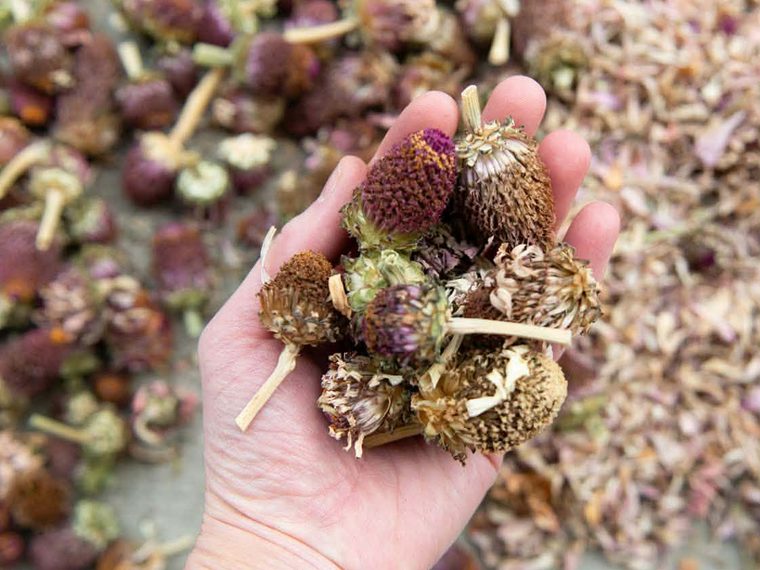
The image above shows exactly what you’re looking for: dried zinnia flower heads that have finished blooming and are ready to be collected. Instead of throwing them into the compost or cutting everything back immediately, you can save the mature seeds and use them to create a beautiful display next season.
And the best part?
You don’t need expensive equipment or complicated gardening skills.
With a paper bag or envelope, a dry place, and a little patience, you can collect and store your own zinnia seeds.
Why You Should Save Zinnia Seeds
Zinnias are particularly rewarding plants for seed saving.
They grow quickly, produce abundant flowers, and can generate a large number of seeds from relatively few plants.
Saving your own seeds has several advantages:
- It costs almost nothing.
- You can grow more flowers next year.
- You can preserve colors you particularly love.
- You can reduce your dependence on purchased seed packets.
- It is an easy gardening project for beginners.
- You can share seeds with friends and family.
- You can gradually build your own collection of favorite zinnias.
If you have several different zinnia varieties growing in your garden, collecting seeds can also become a fun experiment.
Just remember that the resulting plants may not always look exactly like the parent plant, especially when different varieties have cross-pollinated.
When Is the Right Time to Collect Zinnia Seeds?
Timing is one of the most important parts of successful seed saving.
Don’t collect seeds from a flower that is still fresh and colorful.
Instead, allow the flower head to remain on the plant until it has finished flowering and dried naturally.
Signs that a zinnia flower head may be ready include:
- The petals have faded or fallen away.
- The flower head feels dry.
- The stem begins to dry.
- The flower head has turned brown or tan.
- The seed head looks papery.
- The plant is no longer producing a fresh bloom from that flower.
The goal is to allow the seeds to mature fully before harvesting.
Don’t Be Too Quick to Cut Off Faded Flowers
Deadheading is normally a great way to encourage zinnias to continue producing flowers.
But if your goal is to collect seeds, you need to let some flowers remain on the plant.
Instead of removing every faded bloom, choose a few healthy flowers and leave them alone.
Allow them to mature and dry.
This gives you a natural source of seeds later in the season.
You can continue deadheading the other flowers if you want the plant to keep blooming.
A simple strategy is:
Deadhead most flowers, but deliberately leave several of your favorite blooms to produce seeds.
Choose the Best Flowers for Seed Saving
If you’re going to save seeds, don’t necessarily choose random flower heads.
Think about which plants performed particularly well during the season.
For example, you might want seeds from plants that produced:
- Large flowers
- Strong stems
- Long-lasting blooms
- Attractive colors
- Lots of flowers
- Healthy foliage
- Good growth in your garden’s conditions
If a particular zinnia was especially beautiful and vigorous, mark it while it is still flowering.
You can then leave a few blooms from that plant to mature for seed collection.
How to Collect Zinnia Seeds
TO CONTINUE READING THE ARTICLE PLEASE SEE PAGE 2