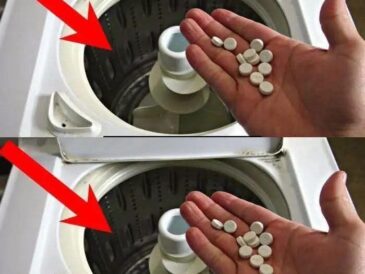
The combination of:
- Hot water
- Vinegar
- Agitation
helps loosen accumulated deposits throughout the machine.
Allow the cycle to finish completely.
Step 4: Clean the Rubber Door Seal
Front-loading washers often hide dirt inside the rubber gasket.
Pull the seal back carefully.
You’ll often find:
- Hair
- Coins
- Lint
- Mold
- Soap residue
Use a cloth dampened with warm water and a little vinegar to wipe it clean.
Step 5: Wash the Detergent Drawer
Remove the detergent drawer if your model allows.
Soak it in warm water.
Scrub away:
- Hardened detergent
- Fabric softener buildup
- Mold
Use an old toothbrush for hard-to-reach areas.
Step 6: Wipe the Drum
After the cleaning cycle finishes, wipe the inside of the drum with a microfiber cloth.
You’ll remove any loosened residue left behind.
Step 7: Leave the Door Open
One of the easiest ways to prevent mold is simply allowing moisture to escape.
After every wash:
- Leave the door open.
- Leave the detergent drawer slightly open.
This allows the interior to dry naturally.
Don’t Forget the Filter
Many homeowners forget the drain filter.
It may contain:
- Hair
- Buttons
- Coins
- Lint
- Pet hair
A clogged filter can reduce washing performance and even cause drainage problems.
Consult your owner’s manual for the proper cleaning procedure.
How Often Should You Clean Your Washing Machine?
For most households:
- Monthly if you wash clothes frequently.
- Every two months for lighter use.
- More often if you notice odors or heavy residue.
If you have hard water, regular cleaning helps reduce mineral buildup.
Signs Your Washing Machine Needs Cleaning
Watch for these warning signs:
- Musty smell
- Clothes don’t smell fresh
- Black spots around the rubber seal
- Detergent drawer covered with residue
- Visible mold
- Longer wash cycles
- Poor cleaning performance
Should You Use Baking Soda Too?
Some people like combining baking soda with vinegar, but it’s usually better to use them separately.
When mixed together, vinegar (an acid) and baking soda (a base) react and largely neutralize each other, reducing their cleaning effectiveness.
If you want to use both:
- Run a vinegar cleaning cycle first.
- Then use baking soda in a separate cleaning cycle if desired.
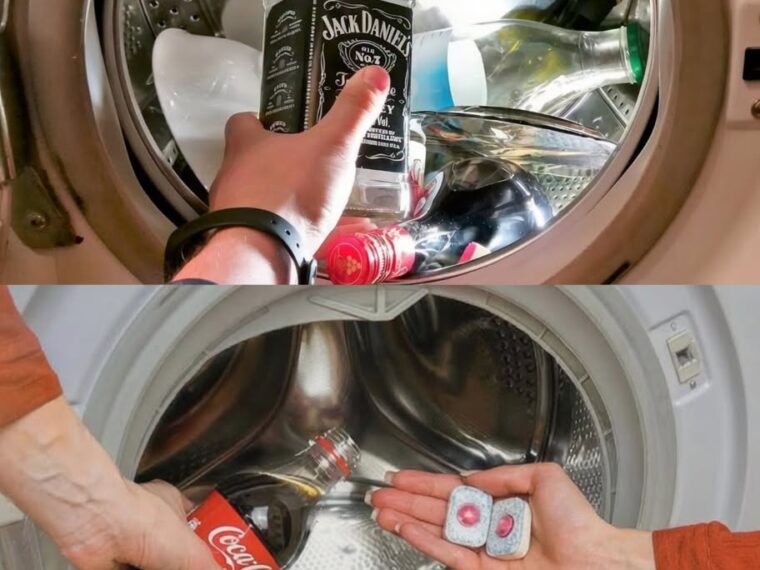
What About Cola?
The image suggests using cola in a washing machine.
While cola contains mild acids that can dissolve some deposits, it also contains:
- Sugar
- Coloring agents
- Flavorings
These ingredients can leave sticky residues behind.
For that reason, cola is generally not recommended for cleaning washing machines. White vinegar or commercial washing machine cleaners are much more suitable choices.
Extra Tips to Keep Your Washing Machine Like Ne
- Use the correct amount of detergent.
- Avoid overloading the machine.
- Clean the detergent drawer regularly.
- Empty pockets before washing clothes.
- Wipe the door seal after each wash.
- Leave the door slightly open after every load.
- Clean the filter every few months.
- Run a maintenance cleaning cycle monthly.
Common Mistakes to Avoid
Avoid these habits:
- Using too much detergent.
- Leaving wet clothes inside overnight.
- Keeping the door permanently closed.
- Ignoring mold around the rubber seal.
- Forgetting to clean the filter.
- Mixing vinegar with bleach or other chemical cleaners.
Final Thoughts
A washing machine doesn’t stay clean simply because it washes your clothes. Over time, detergent residue, mineral deposits, moisture, and grime build up inside, reducing its efficiency and creating unpleasant odors.
Fortunately, restoring freshness is simple. Running an empty hot cycle with one glass of white vinegar, cleaning the rubber seal, detergent drawer, and filter, and leaving the door open after each wash can help keep your appliance performing at its best.
While viral social media posts often recommend unusual products like cola, white vinegar remains the more practical, inexpensive, and well-supported choice for routine washing machine maintenance. With just a little monthly care, your machine can stay cleaner, smell fresher, and continue delivering excellent washing results for years to come.