3. The Before-and-After Difference Can Be Impressive
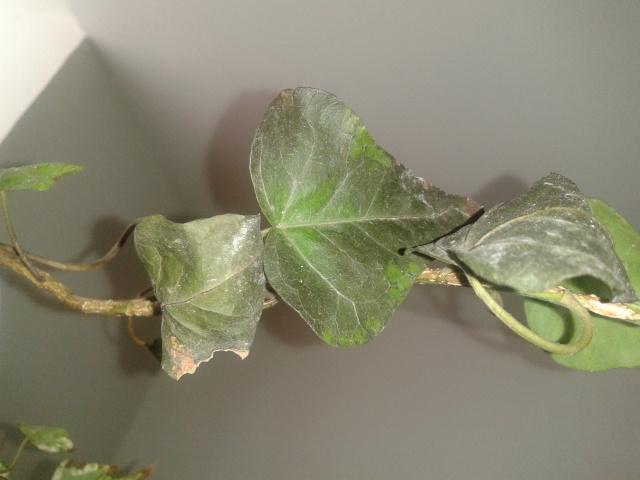
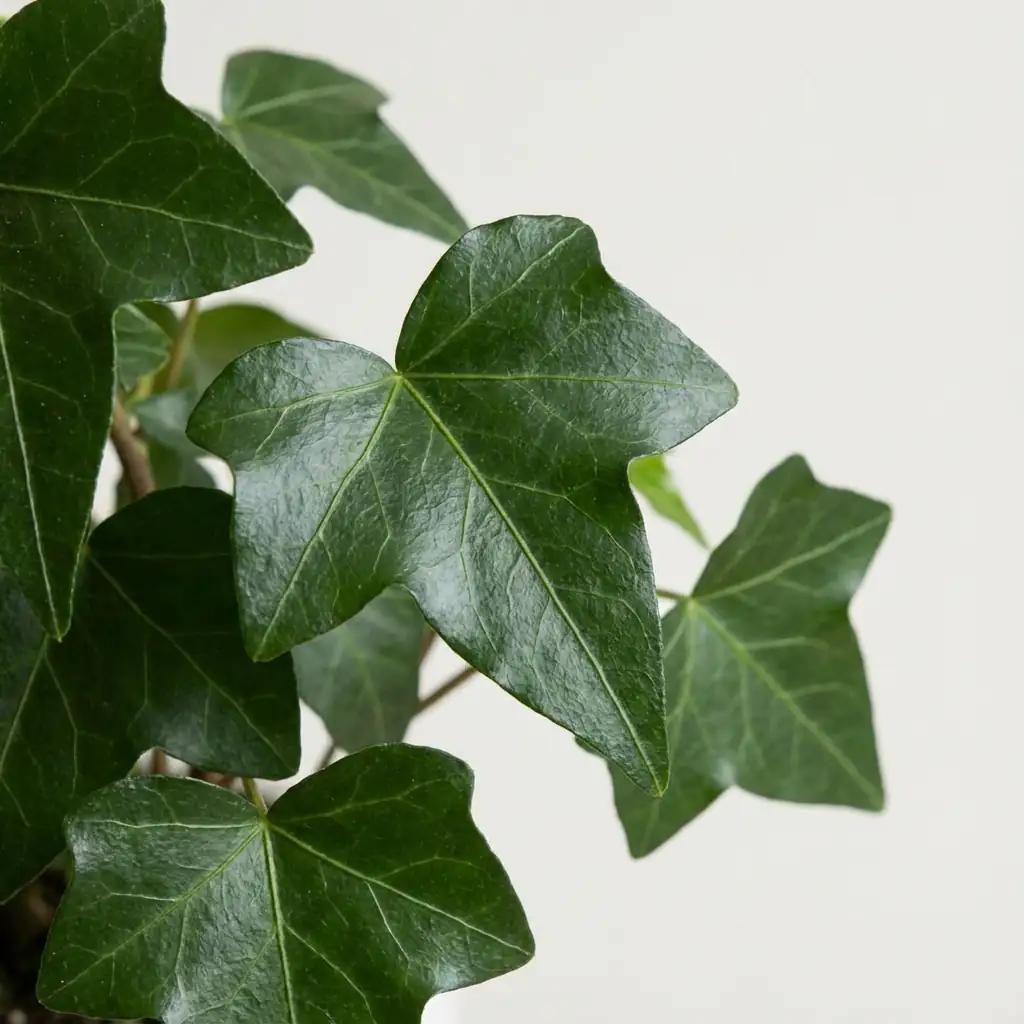
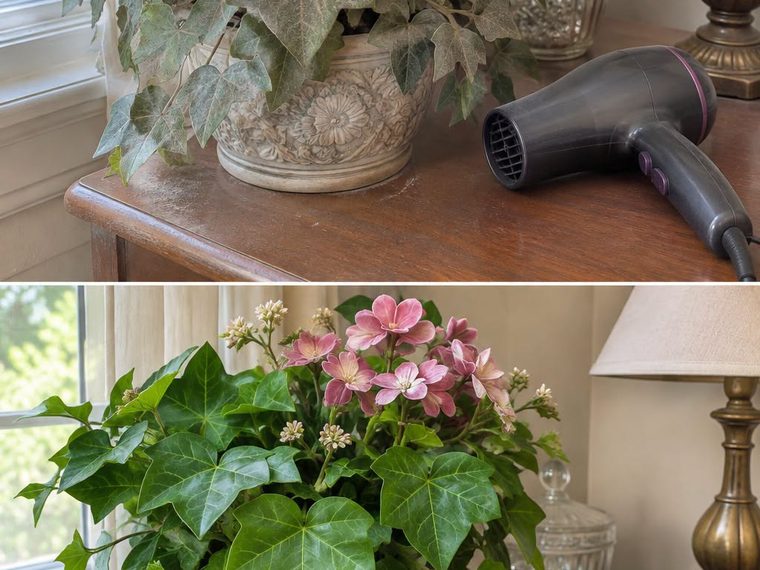
One of the reasons this technique has attracted attention is the visible difference it can make.
When dust accumulates on leaves, the foliage may appear grayish, faded, or less vibrant.
After loose dust has been removed, the natural green color becomes more noticeable.
This is especially apparent on plants with large, smooth leaves.
Clean foliage can also make it easier to inspect the plant for problems that might otherwise go unnoticed.
For example, you may discover:
- Small insects hiding underneath leaves.
- Yellowing or damaged foliage.
- Early signs of spider mites.
- Sticky deposits or unusual spots.
- Leaves that need pruning.
Remember that cleaning does not automatically make an unhealthy plant healthy again. It simply helps you maintain its foliage and notice potential problems earlier.
4. How to Use a Hair Dryer on Houseplants Safely: Step-by-Step
If you want to try this technique, the most important thing is to avoid excessive heat and strong airflow.
Here is a cautious approach.
Step 1: Check your hair dryer settings
Make sure your hair dryer has a genuine cool-air setting.
Do not use hot or warm air. Even moderately warm air can dry delicate leaves, particularly when the plant is exposed to a concentrated stream for several seconds.
Step 2: Start with the lowest airflow setting
Choose the lowest fan speed available.
Strong airflow can tear delicate leaves, damage young shoots, or knock flowers and small branches loose.
Step 3: Keep a generous distance
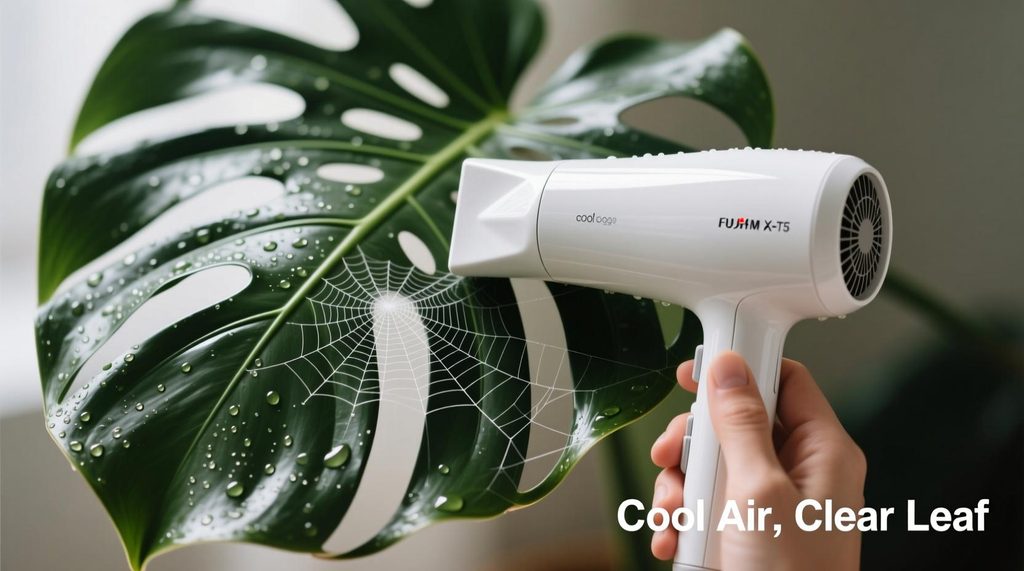
Keep the dryer well away from the foliage, starting at approximately 2–3 feet (60–90 cm).
Test the airflow on a small, sturdy section of the plant first.
If the leaves move violently, the airflow is too strong.
Step 4: Move the dryer gently
Avoid keeping he airflow focused on one area.
Move the dryer slowly around the plant, allowing loose dust to fall away.
Do not aim directly at flowers, delicate new growth, or the soil.
Step 5: Inspect the leaves afterward
Once finished, inspect the leaves to make sure none have been damaged.
If some dust remains, use a soft, slightly damp microfiber cloth to gently wipe smooth leaves.
For particularly delicate plants, a gentle shower with lukewarm water may be a better option, provided the species tolerates wet foliage.
Important: Always keep electrical appliances away from water. Never use a hair dryer while watering or showering a plant, and make sure your hands and the surrounding area are dry.
5. Which Houseplants Can Benefit From This Cleaning Trick?
Not every houseplant has the same type of foliage.
Some have thick, sturdy leaves that tolerate gentle cleaning, while others have thin, delicate leaves that can be damaged by strong airflow.
Here are a few popular indoor plants that benefit from regular dust removal.
Monstera
Monstera plants have large, beautiful leaves that can collect considerable amounts of dust.
Their broad surfaces are relatively easy to clean using a soft, damp cloth.
A very gentle cool-air stream may remove loose particles, but wiping is usually more effective.
Rubber Plant
Rubber plants have thick, smooth leaves that often look dull when covered with dust.
A damp microfiber cloth is an excellent way to restore their natural appearance.
English Ivy
Ivy has numerous smaller leaves, making it more difficult to clean every individual surface.
Gentle airflow may help remove loose dust, but avoid strong air currents that could damage the trailing stems.
Peace Lily
Peace lilies have broad leaves that collect dust easily.
They benefit from occasional gentle cleaning with a damp cloth or a mild shower.
Avoid directing powerful airflow toward their delicate flowers.
6. Plants You Should NOT Clean With a Hair Dryer
Although the hair dryer trick might be convenient for certain plants, it is not suitable for every variety.
Some plants have particularly sensitive foliage that can easily become damaged.
Be especially careful with the following:
- African violets: Their fuzzy leaves are sensitive to rough handling and can develop marks from water sitting on the foliage.
- Calatheas: Their delicate leaves can become damaged by excessive airflow and environmental stress.
- Ferns: Many varieties have fragile fronds that can break or dry out easily.
- Succulents: Some have delicate surface coatings that should not be rubbed or disturbed.
- Flowering plants: Delicate petals can be damaged by even moderate airflow.
For these plants, gentle maintenance using an appropriate soft brush or other species-specific cleaning method is usually preferable.
Also, never use a hair dryer to blow away visible spider mites, mealybugs, or other pests. Airflow can spread pests and contaminated debris to nearby plants.
If you discover an infestation, isolate the affected plant and use an appropriate pest-control method.
7. Why Clean Leaves Are Important for Photosynthesis
One of the biggest reasons to keep houseplant leaves clean is photosynthesis.
Photosynthesis is the natural process through which plants use light energy to produce sugars that support their growth.
Leaves absorb light, exchange gases through tiny openings called stomata, and carry out the processes necessary to keep the plant alive.
When a significant amount of dust accumulates on the foliage, it can reduce the amount of light reaching the leaf surface.
Research has shown that dust deposition can negatively affect photosynthesis in plants, although the impact varies depending on the amount and type of dust, the plant species, and environmental conditions.
This is why occasionally cleaning indoor foliage can be helpful.
However, remember that a hair dryer does not improve photosynthesis directly. Its only potential benefit in this situation is removing loose surface dust.
Clean leaves still need the right lighting, appropriate watering, good air circulation, and suitable temperatures to remain healthy.
8. Is Using a Hair Dryer Better Than Cleaning Leaves With Water?
This is an interesting question because the two methods serve slightly different purposes.
A hair dryer can help remove loose dust, while water and a soft cloth can remove more stubborn dirt.
Here is a simple comparison:
| Cleaning method | Best use |
|---|---|
| Cool hair dryer | Loose surface dust on sturdy plants |
| Damp microfiber cloth | Smooth, broad leaves |
| Gentle shower | Plants that tolerate water on their foliage |
| Soft brush | Delicate or textured foliage |
| Dry soft brush | Fuzzy leaves that should not be wetted |
For most indoor plants, a damp microfiber cloth is one of the safest and most effective options for cleaning smooth leaves.
Simply support the leaf gently with one hand and wipe it with the other.
Avoid household cleaning products, furniture polish, and leaf-shine sprays unless a product is specifically suitable for the plant. These substances can leave unwanted residues.
9. How Often Should You Clean Your Houseplants?
There is no single cleaning schedule that works for every houseplant.
The amount of dust in your home, the plant’s location, and the type of foliage all make a difference.
As a general guideline:
- Check your plants every week.
- Clean visible dust whenever it begins to accumulate.
- Give broad-leaved plants a gentle cleaning every few weeks if needed.
- Inspect the undersides of leaves regularly for pests.
- Remove dead or badly damaged leaves when necessary.
Plants located near open windows, busy rooms, kitchens, or areas with pets may require more frequent attention.
Instead of following a strict calendar, look at the leaves themselves.
If they begin to look dusty or dull, it may be time for a gentle cleaning.
10. Other Simple Tricks to Keep Indoor Plants Looking Beautiful
Keeping your plants attractive involves more than simply removing dust.
A few simple habits can make a noticeable difference in their appearance and overall health.
Rotate your plants regularly.
Plants growing near windows often receive more light on one side than the other. Rotating the pot occasionally can encourage more balanced growth.
Remove dead leaves.
Yellow, brown, or damaged leaves can make a beautiful plant look neglected. Remove them using clean scissors when appropriate.
Avoid overwatering.
Too much water is one of the most common causes of problems with indoor plants. Always check the soil before watering.
Give plants appropriate lighting.
Different varieties have different lighting requirements. Some enjoy bright indirect light, while others tolerate lower-light conditions.
Check for pests.
Look underneath leaves and around stems for signs of spider mites, mealybugs, aphids, or other unwanted visitors.
Keep leaves away from unnecessary heat.
Avoid placing plants directly beside radiators, heaters, or hot air outlets.
These small habits can help maintain attractive foliage and create a healthier indoor environment for your plants.
11. Common Mistakes to Avoid When Cleaning Houseplants
Even simple cleaning techniques can cause problems if they are used incorrectly.
Here are some mistakes worth avoiding:
- Using hot air: Heat can dry out leaves and damage sensitive foliage.
- Using maximum airflow: Strong air currents can break leaves and damage delicate stems.
- Holding the dryer too close: Concentrated airflow can stress the plant.
- Cleaning every plant the same way: Different species require different care techniques.
- Ignoring the undersides of leaves: Dust and pests can accumulate in less visible areas.
- Using chemical cleaning products: Household cleaners can damage leaf surfaces.
- Cleaning an already stressed plant unnecessarily: A plant suffering from dehydration, heat stress, or disease needs appropriate care rather than additional disturbance.
The most important rule is to choose the gentlest cleaning method that works for your particular plant.
12. The Secret to Beautiful Indoor Plants Is Often Simpler Than You Think
Sometimes, improving the appearance of your indoor plants does not require expensive fertilizers, special equipment, or complicated gardening techniques.
A little attention to their leaves can make a surprisingly noticeable difference.
Removing dust helps keep foliage looking fresh, makes it easier to inspect plants for pests, and allows more light to reach the leaf surface.
The hair dryer trick is an interesting shortcut, but it should be treated as an occasional option rather than an essential plant-care technique.
If you decide to try it, remember three important rules:
- Use cool air only.
- Choose the lowest airflow setting.
- Keep the dryer well away from the leaves.
For most plants, a gentle wipe with a damp cloth or an appropriate rinse with water remains the better cleaning option.
Your plants do not need complicated treatments to look beautiful. Regular observation, appropriate watering, suitable lighting, and gentle maintenance are often enough to make a real difference.
Frequently Asked Questions
Can I use a hair dryer to remove dust from all indoor plants?
No. It is better suited to occasional removal of loose dust from sturdy foliage. Delicate plants, fuzzy leaves, and fragile flowers should be cleaned using more appropriate methods.
Should I use cold or warm air?
Always use cool air. Never use hot or warm air because it can dry out and damage plant tissue.
Will a hair dryer make my plants grow faster?
No. A hair dryer does not stimulate plant growth. Removing heavy dust can improve light access to the leaves, but healthy growth depends on proper light, water, nutrients, and temperature.
Can I use a hair dryer on artificial plants?
Yes. Cool air on a low setting can help remove loose dust from many artificial plants. Check the material first, as delicate decorations may be damaged by airflow.
Does this trick remove insects?
No. It should not be used as an insect-control treatment. If you find pests, isolate the plant and identify the infestation before choosing an appropriate treatment.
Conclusion: A Simple Household Trick That Can Make Your Plants Look Fresher
The idea of using a hair dryer on houseplants might sound unusual, but it has a simple explanation: gentle cool airflow can help remove loose dust from certain types of foliage.
It is not a miracle gardening trick, and it certainly does not replace proper plant care. However, when used cautiously on suitable plants, it can be a convenient way to remove surface dust.
The real secret to beautiful indoor plants is consistency. Keep their leaves clean, give them the right amount of light, avoid overwatering, and inspect them regularly.
And remember, sometimes the simplest solution is also the most practical one!
Have you ever tried using a hair dryer to clean your houseplants? Would you try this unusual trick, or do you prefer using a damp cloth? Share your experience in the comments!