Your husband opens a bag of pre-washed lettuce and adds it straight to a salad without rinsing it. You, on the other hand, wonder whether the label can really be trusted. After all, lettuce grows outdoors, travels through several stages of production, and is handled before it reaches your kitchen.
It is a reasonable question—and the answer may surprise you.
If the package clearly says “pre-washed,” “triple-washed,” or “ready to eat,” you generally do not need to wash the lettuce again. Food-safety authorities explain that these products are washed during processing and are intended to be eaten directly from the package. Washing them again at home does not necessarily make them safer and can introduce new germs if your hands, sink, colander, or utensils are contaminated. U.S. Food and Drug Administration
However, not every bag of lettuce is the same. Understanding the label, storing the lettuce properly, and handling it carefully can help you make a safer choice for your family.
1. What Does “Pre-Washed” Actually Mean?
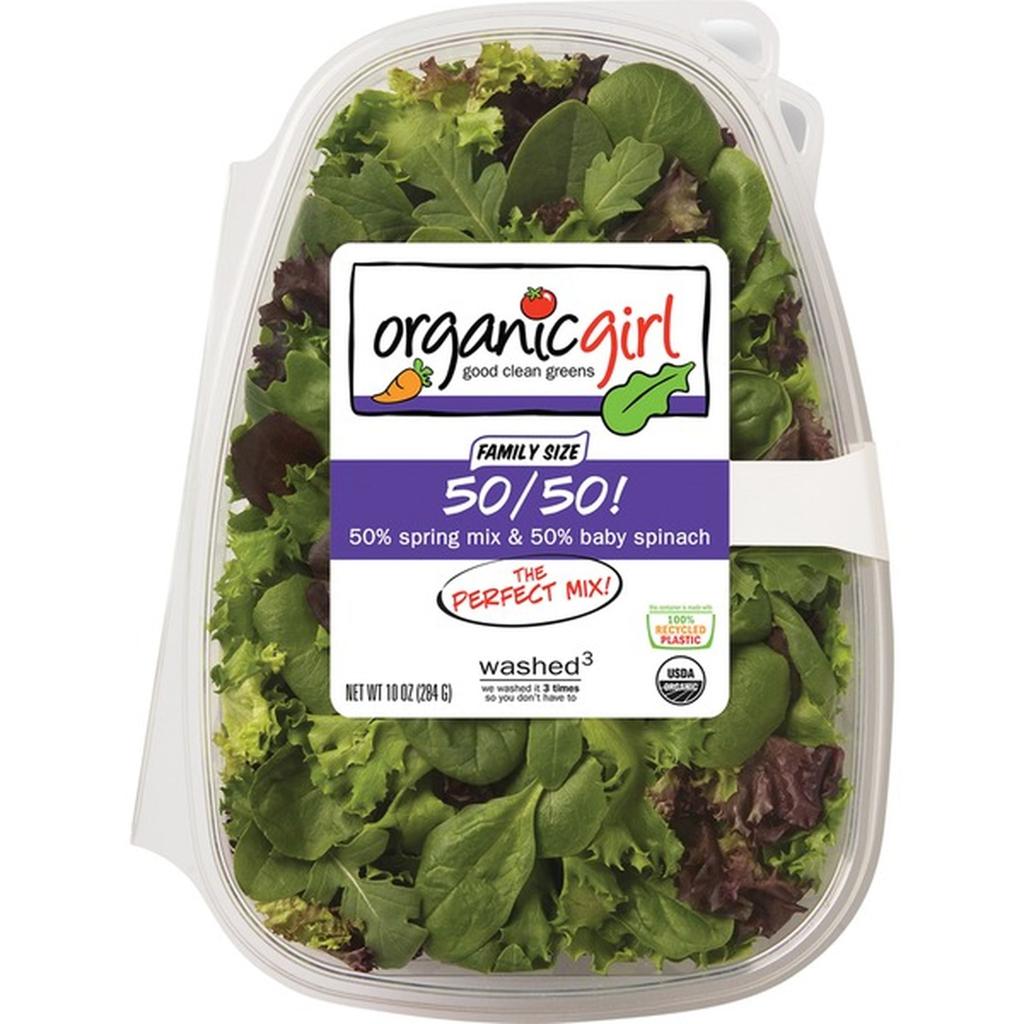
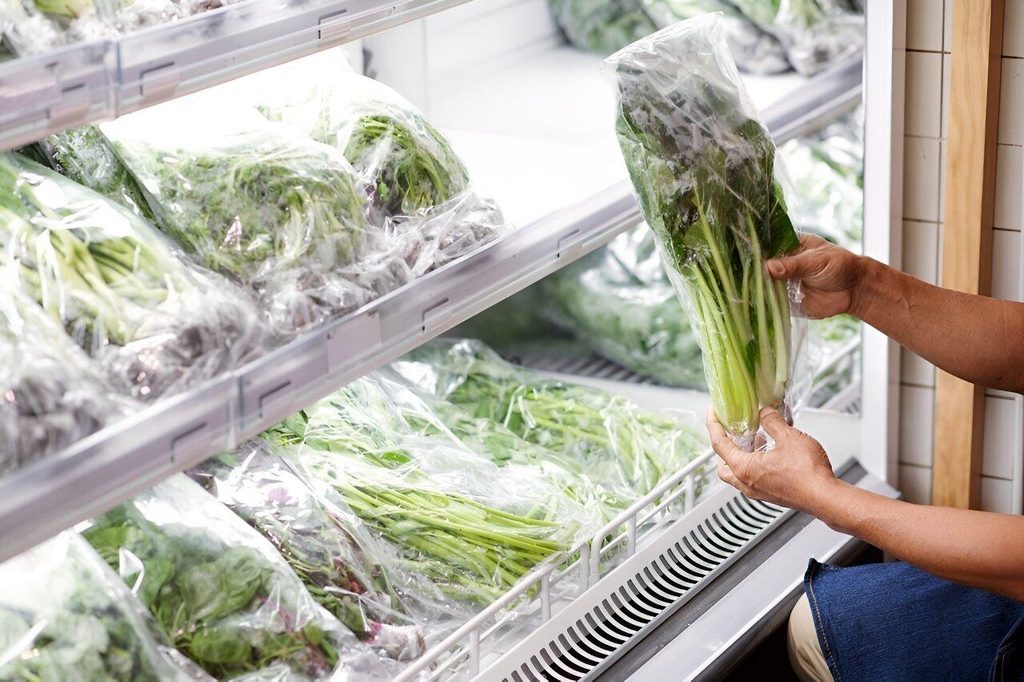
When lettuce is sold as pre-washed, it means the producer has washed the leaves before packaging them. Some products are also labelled “triple-washed,” indicating that they have undergone a multi-stage washing process.
These products are prepared to be convenient: you open the package, take out the amount you need, and add the lettuce to your meal.
Commercial processing may include several steps designed to remove soil and other contaminants. The exact process varies by producer, and washing cannot guarantee that every harmful microorganism has been eliminated.
Look for wording such as:
- Pre-washed
- Triple-washed
- Washed and ready to eat
- No washing necessary
If the package clearly identifies the lettuce as ready to eat, you can generally use it without rinsing it again.
By contrast, a bag containing whole lettuce leaves or vegetables that have not been labelled as washed may require rinsing before consumption. Always follow the instructions printed on the packaging. U.S. Food and Drug Administration
2. Can Pre-Washed Lettuce Still Contain Harmful Bacteria?
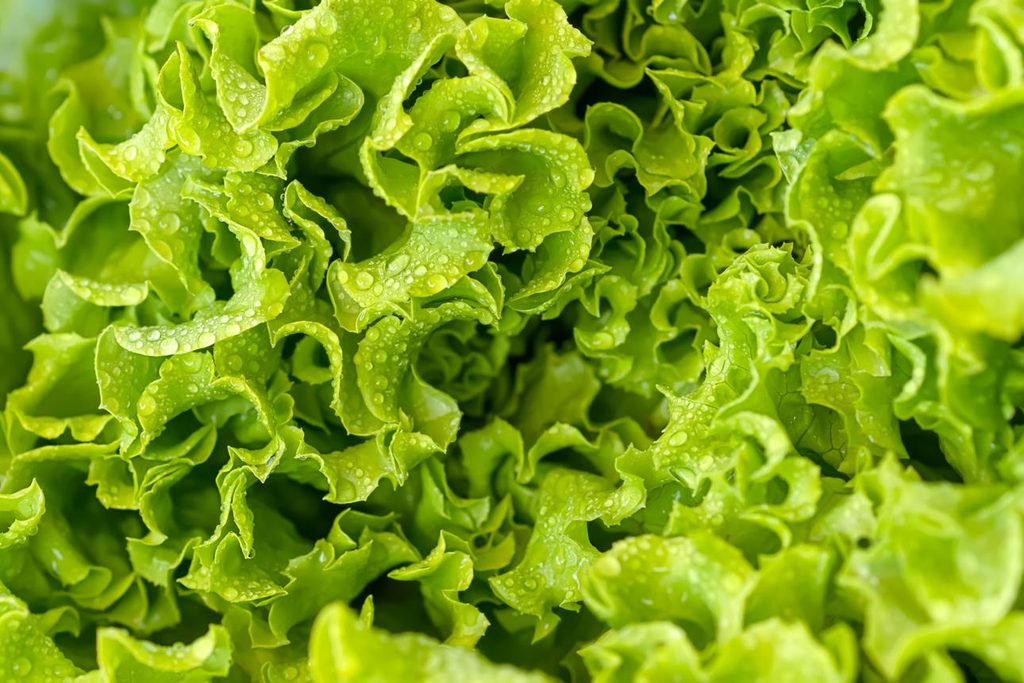

Yes. Although commercial washing helps remove dirt and reduce contamination, it cannot guarantee that lettuce is completely free of harmful microorganisms.
Lettuce grows close to the soil and can come into contact with contaminated water, soil, animals, or other sources of germs. Contamination can also occur during harvesting, processing, transport, storage, or preparation.
Certain bacteria, including E. coli and Salmonella, can contaminate leafy greens and cause foodborne illness. Some outbreaks have been linked to packaged salad products, which is why food-safety authorities continue to monitor their production and handling. CDC
This does not mean that packaged lettuce is inherently unsafe. Millions of servings are eaten without incident, and commercial washing and appropriate handling help reduce risks.
The important distinction is that pre-washed lettuce is intended to be eaten without further washing, but it is not guaranteed to be completely free of germs.
Rinsing it again at home cannot reliably eliminate all pathogens that may be present.
3. Why Washing It Again May Not Make It Safer
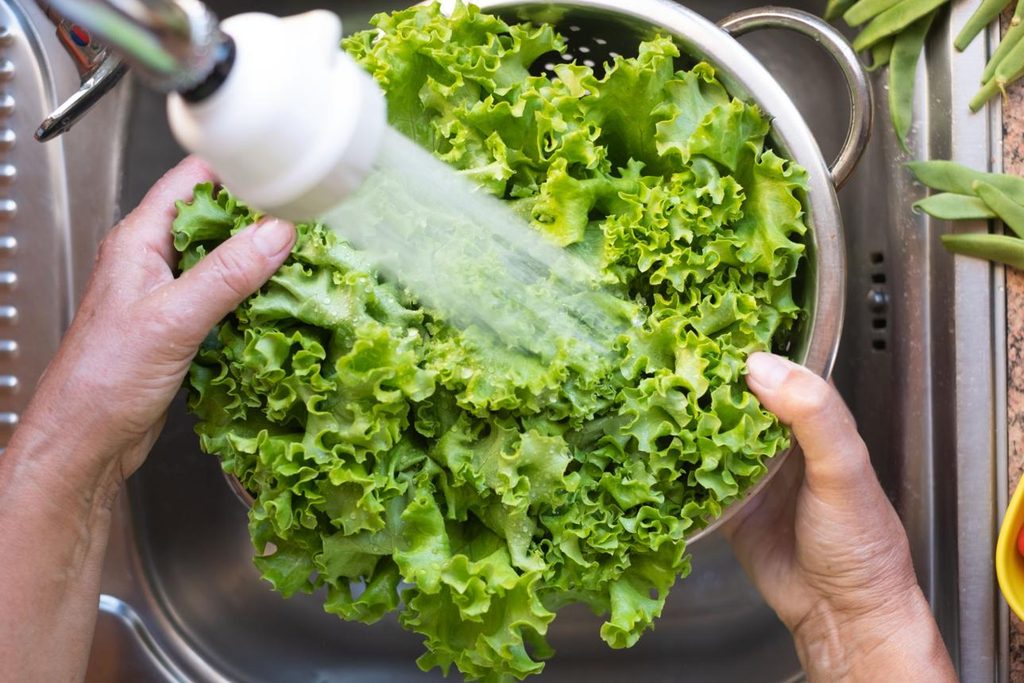
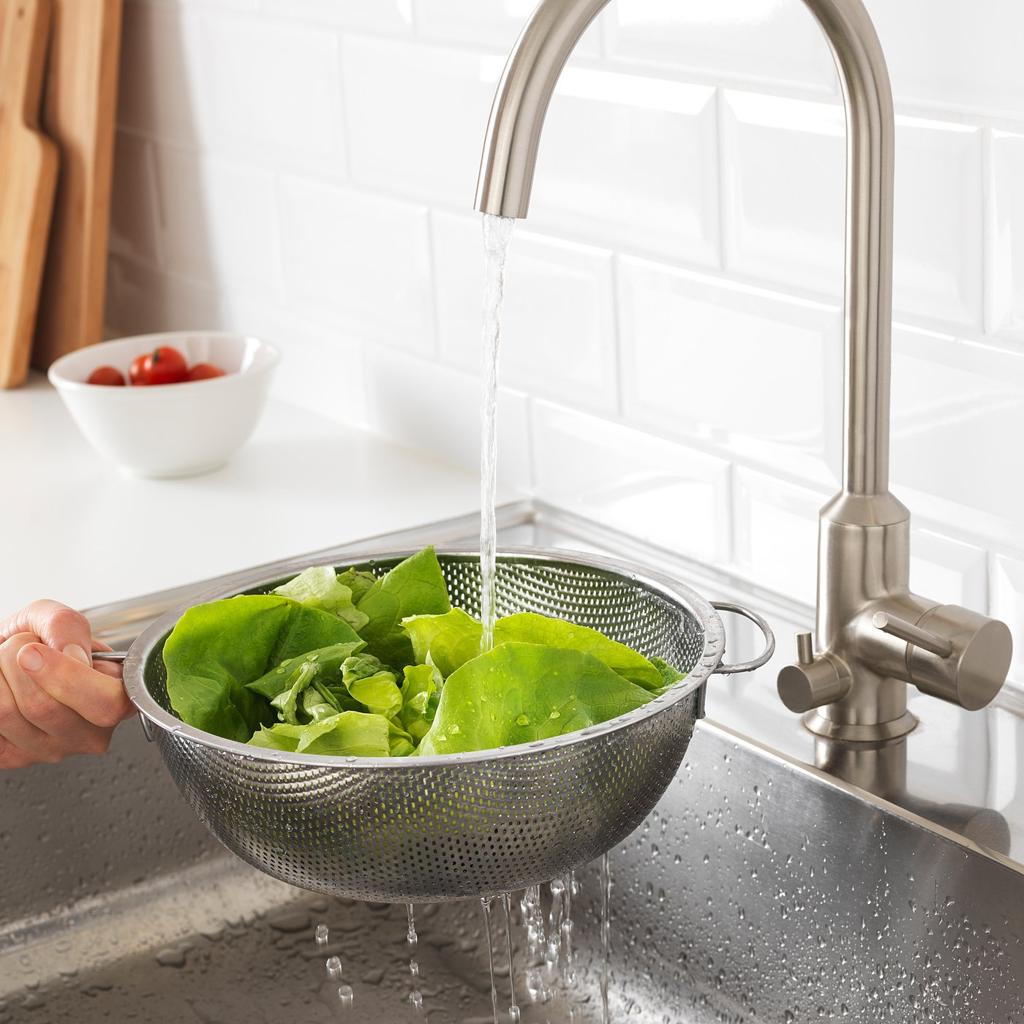
Many people assume that washing lettuce a second time must make it cleaner. However, food safety is not always that straightforward.
When you rinse pre-washed lettuce, the leaves may come into contact with surfaces that were not properly cleaned.
For example:
- Your kitchen sink may contain bacteria.
- A colander may have traces of raw meat juices or food residue.
- Your hands may transfer germs to the leaves.
- A kitchen towel used to dry the lettuce may not be clean.
- Water splashing from a contaminated surface may spread germs.
These are examples of cross-contamination, which occurs when harmful microorganisms move from one surface or food to another.
The California Department of Public Health explains that additional washing of properly packaged, ready-to-eat leafy greens is unlikely to improve safety and may introduce contamination if the washing environment is not clean. California Department of Public Health
This is why following the package instructions is generally the best approach.
If you prefer to rinse pre-washed lettuce anyway, make sure your hands, sink, colander, and utensils are clean, and use fresh, cold running water.
4. How to Tell Whether Your Lettuce Needs Washing
TO CONTINUE READING THE ARTICLE PLEASE SEE PAGE 2