Epsom salt is a popular addition to warm baths, especially among people looking to relax after a long day, soothe tired muscles, and create a more enjoyable bathing experience. But are you using it correctly? How much should you add to your bath, how long should you soak, and how warm should the water be?
Although Epsom salt is often promoted as a miracle remedy for muscle pain and other health problems, the science behind some of these claims is limited. Using it sensibly can still be part of a relaxing self-care routine, provided you understand its limitations and take a few important precautions.
In this guide, we will explain what Epsom salt is, how to use it in your bathroom, what the evidence says about its benefits, and which common mistakes you should avoid.
1. What Is Epsom Salt?
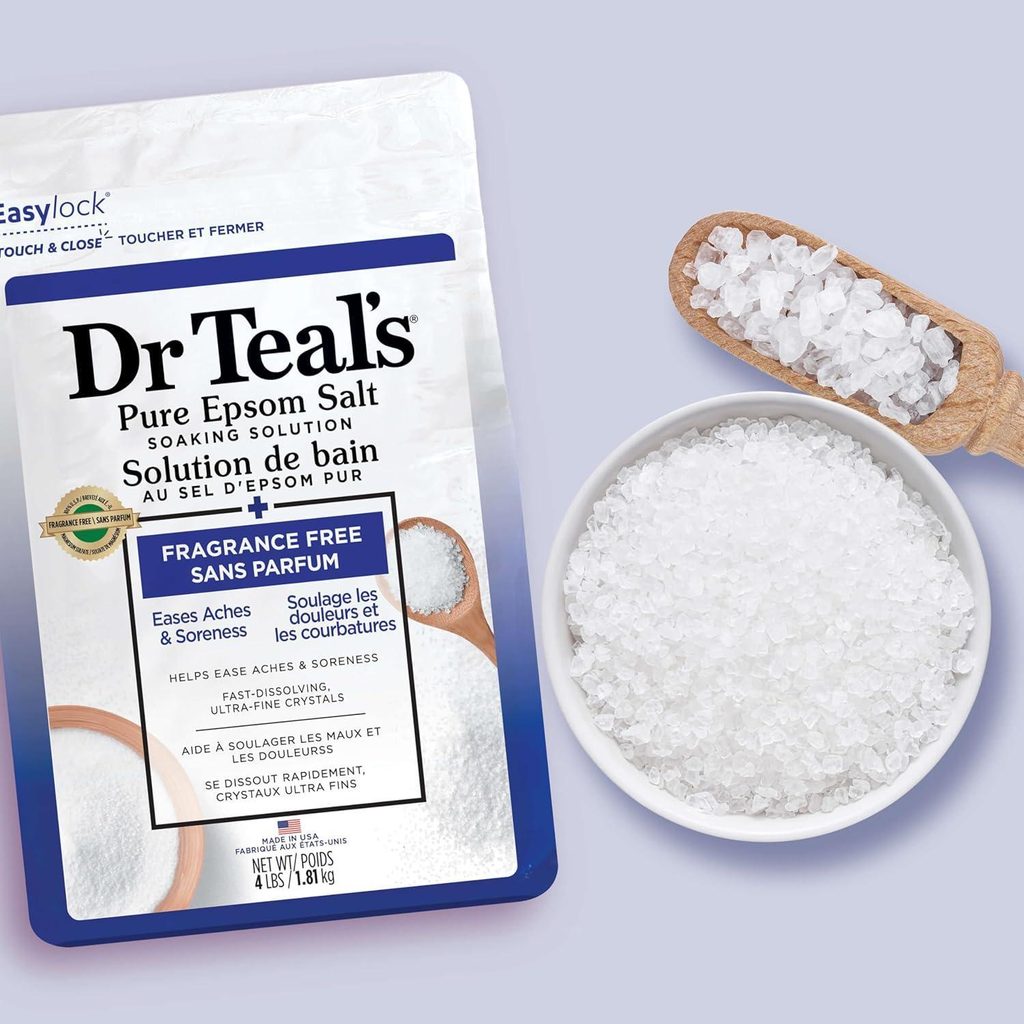
Epsom salt is the common name for magnesium sulfate, a mineral compound that looks similar to ordinary table salt but has a different chemical composition.
It has traditionally been used in bathwater and is also available in products intended for specific uses, including certain laxatives. However, products intended for bathing should not automatically be considered safe to swallow.
People commonly add Epsom salt to a bath because they enjoy the warm water and the soothing bathing ritual. Some believe that magnesium from the salt is absorbed through the skin and helps relieve muscle soreness, but there is not enough strong scientific evidence to confirm that soaking in Epsom salt reliably raises magnesium levels or treats muscle pain.
The most important distinction is that a relaxing bath may help you feel better, but that does not mean Epsom salt itself has proven medical benefits.
2. The Right Amount of Epsom Salt: Do You Really Need Two Full Cups?
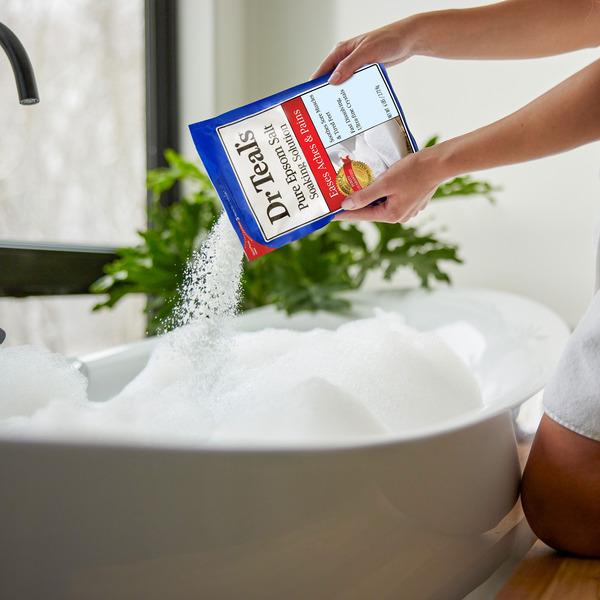
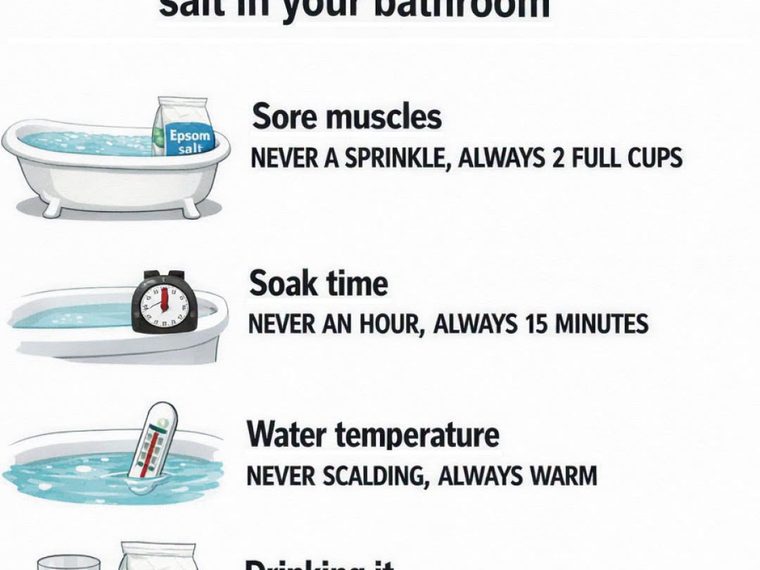
The infographic suggests using two full cups of Epsom salt instead of just sprinkling a little into the bath. This advice is not universal: the appropriate amount depends on the product’s instructions and the amount of water in your bathtub.
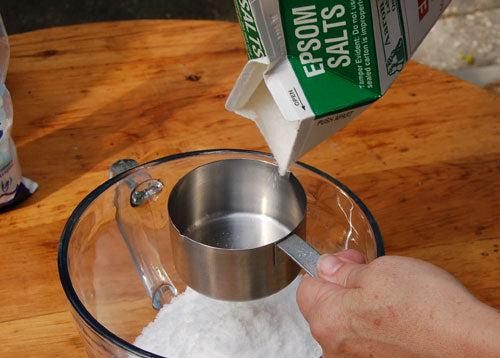
Some products recommend approximately one or two cups for a full bath. For example, Cleveland Clinic describes using around 1¼ cups, while certain product labels recommend two cups. Cleveland Clinic
How to use it:
- Read the directions on the package before measuring.
- Fill your bathtub with comfortably warm water.
- Measure the recommended quantity rather than guessing.
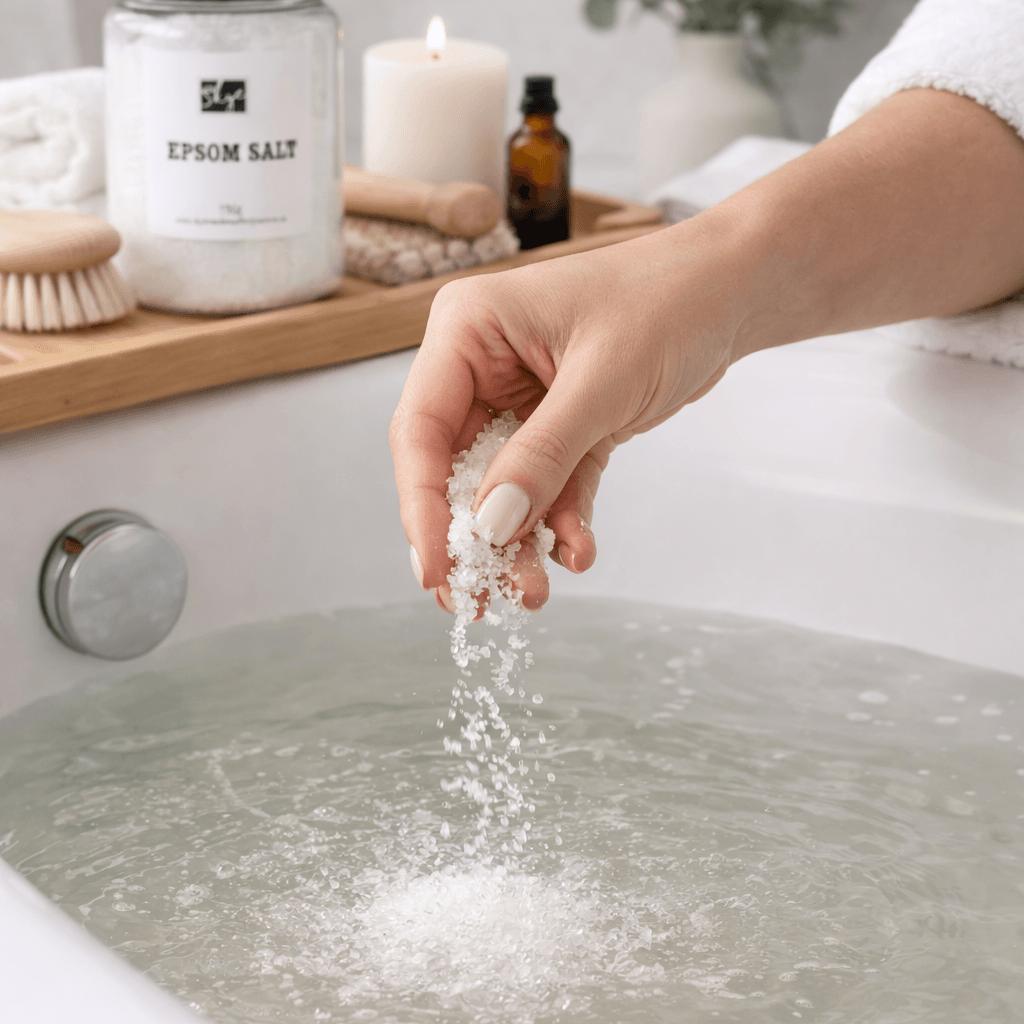
- Add the salt to the running water or stir it into the bath until dissolved.
- Enter the bath carefully, particularly if the bottom is slippery.
Using more salt does not necessarily provide greater benefits. If you have sensitive skin, start cautiously and stop if you notice irritation.
3. How Long Should You Stay in an Epsom Salt Bath?

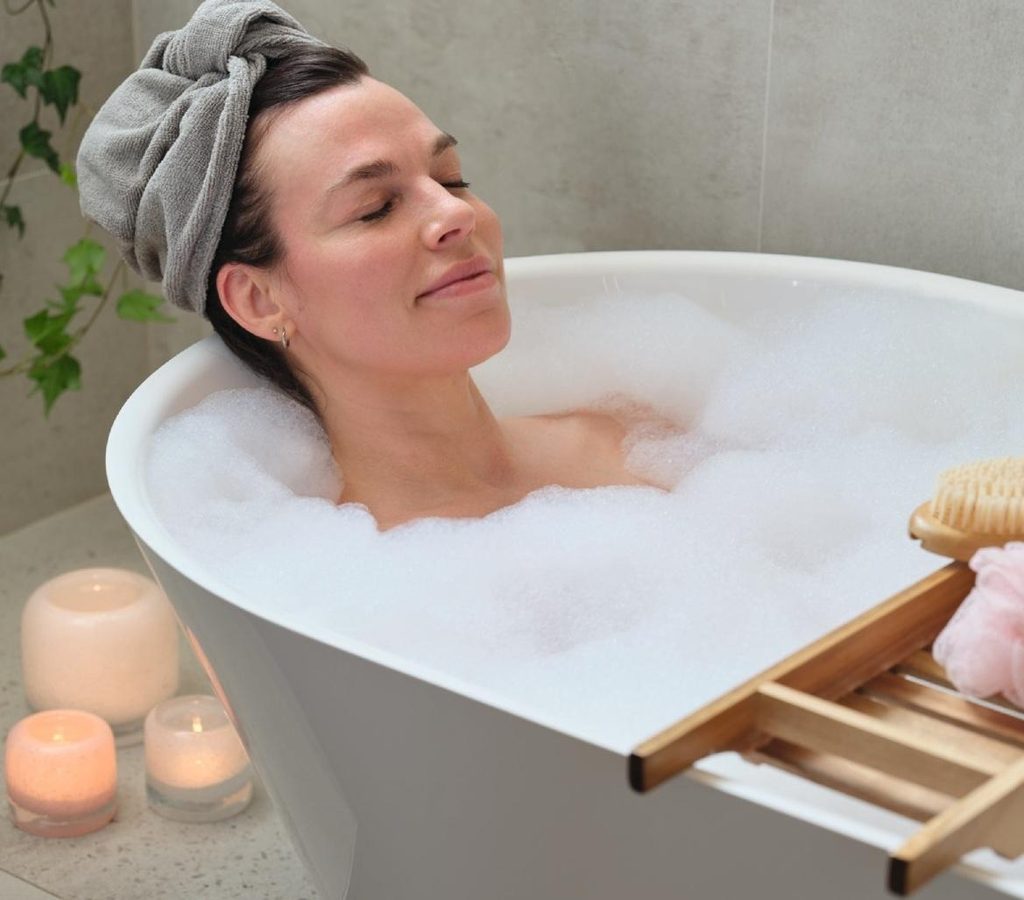
The infographic recommends 15 minutes rather than an hour. For a typical relaxing bath, around 15 minutes is a reasonable starting point.
A longer soak is not necessarily more beneficial. Spending too much time in hot water can leave your skin dry, make you feel lightheaded, or cause overheating.
For a more comfortable experience:
- Start with a 10–15-minute bath.
- Leave the bath if you feel dizzy, weak, nauseated, or uncomfortably hot.
- Drink water before or after bathing if you are thirsty.
- Gently pat your skin dry afterward.
- Apply a fragrance-free moisturizer if your skin tends to become dry.
A warm bath can help you unwind after a busy day. However, there is insufficient evidence that soaking for longer periods allows your body to absorb more magnesium through the skin. Cleveland Clinic
4. The Ideal Water Temperature: Warm, Not Scalding
TO CONTINUE READING THE ARTICLE PLEASE SEE PAGE 2