4. The Ideal Water Temperature: Warm, Not Scalding
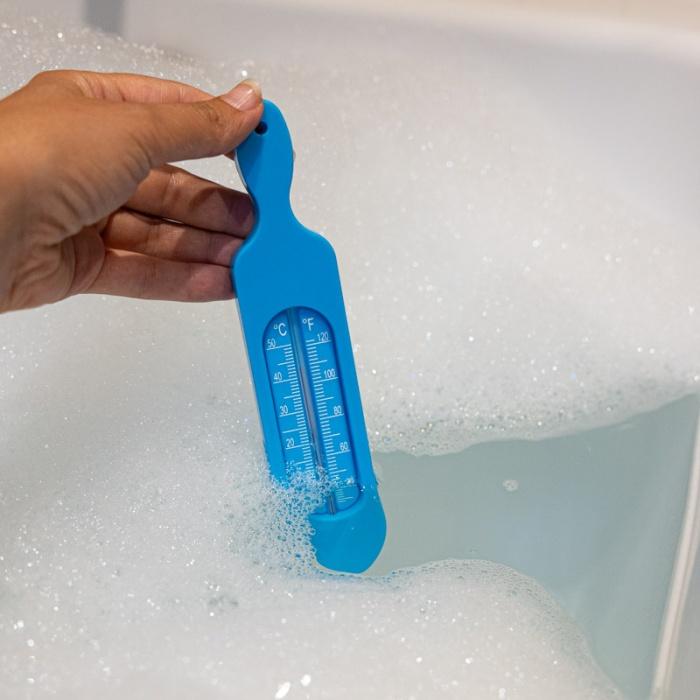
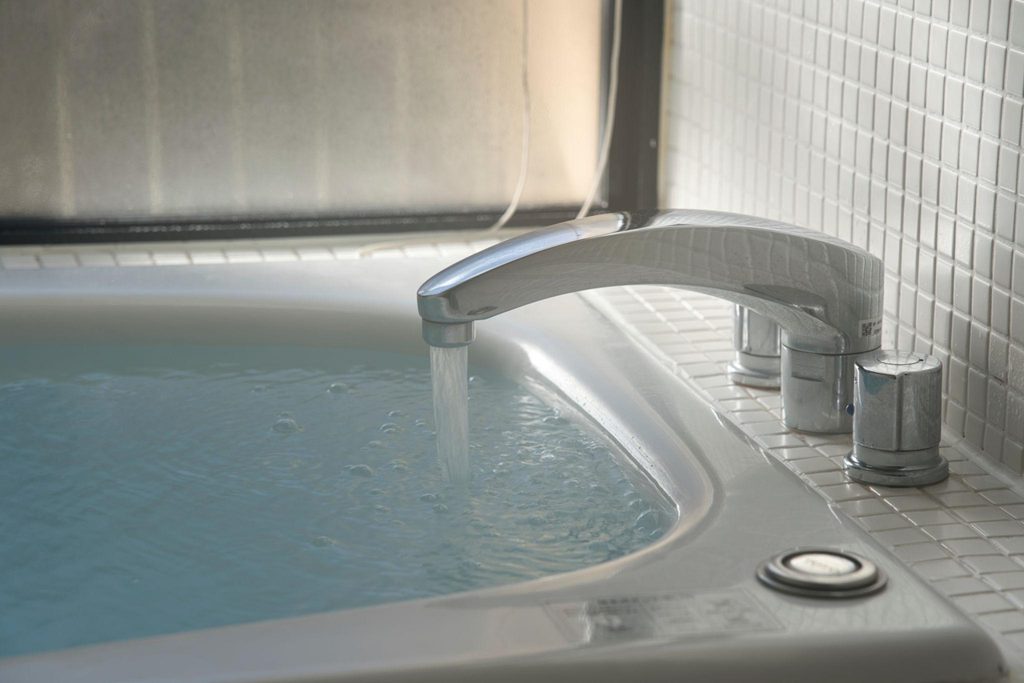
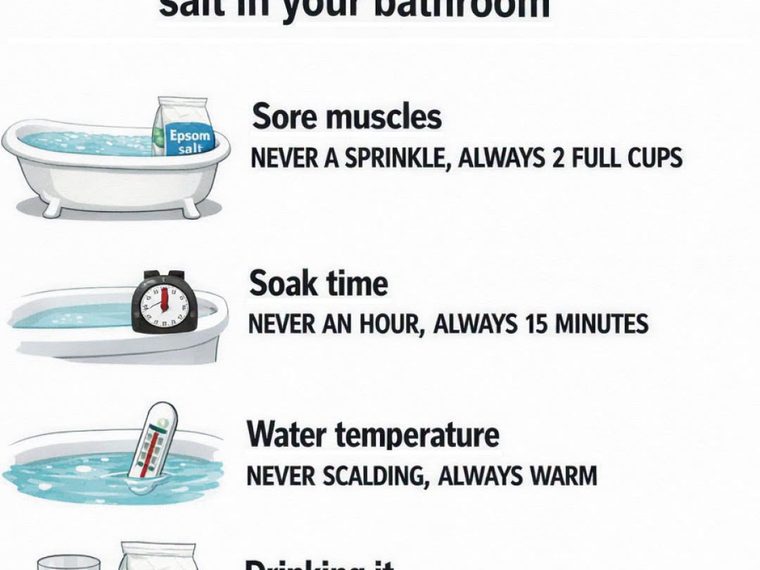
One of the most important points in the infographic is to avoid excessively hot water.
Very hot baths can cause discomfort, worsen dizziness, and increase the risk of overheating. They can also aggravate dry or sensitive skin.
Instead, aim for water that feels pleasantly warm rather than hot.
A few practical tips:
- Test the water with your hand before getting in.
- Avoid adding very hot water while you are sitting in the bath.
- Be especially cautious if you have reduced sensation in your feet or hands.
- If you have diabetes, circulation problems, or a condition that affects temperature sensation, ask a healthcare professional about safe bathing temperatures.
The goal is comfort, not extreme heat. You do not need to make the water hotter to obtain the relaxing effects of a bath.
5. Can You Drink Epsom Salt? An Important Safety Warning
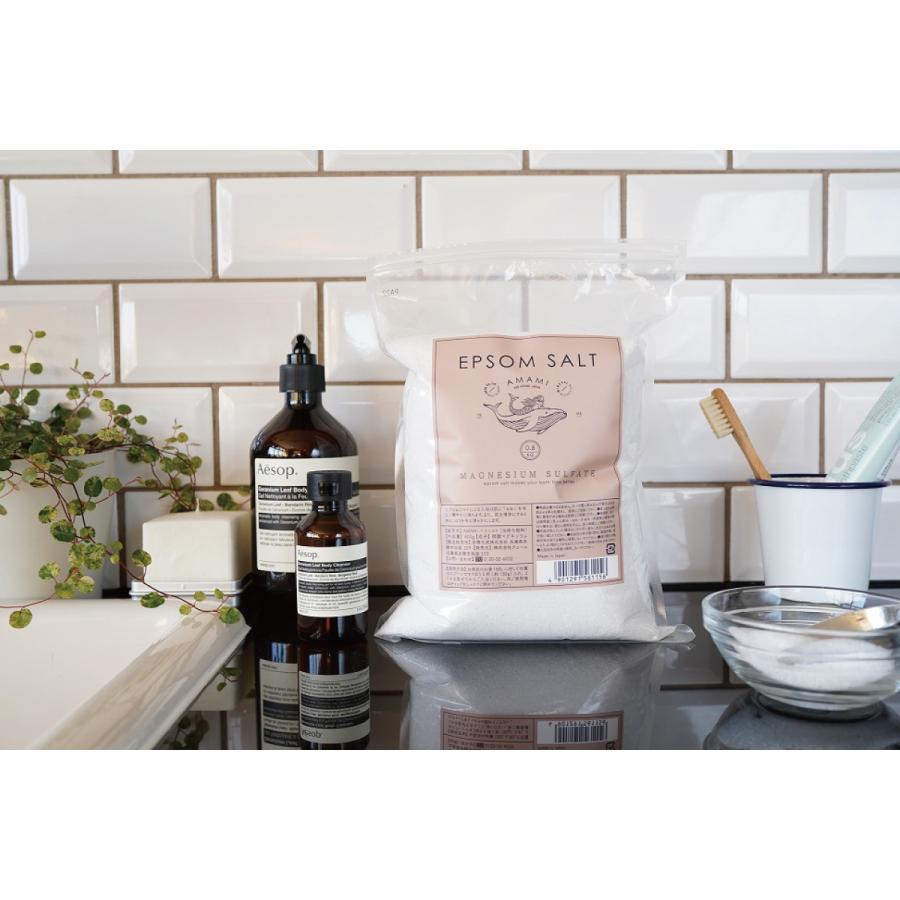
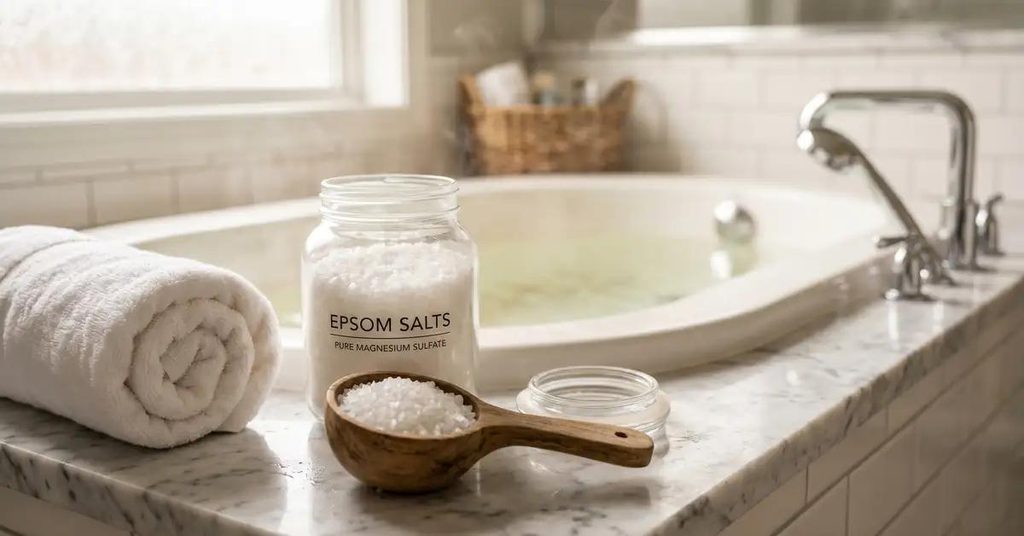
This part of the infographic deserves particular attention.
Epsom salt products are not all intended for the same purpose. Some magnesium sulfate products are specifically labeled as laxatives for occasional constipation, while others are intended for external use.
Never drink Epsom salt simply because a social media post suggests it is beneficial.
Swallowing the wrong product or taking an excessive amount can cause severe diarrhea, dehydration, and potentially dangerous disturbances in the body’s mineral balance. People with kidney disease may be at particular risk.
If a product is specifically labeled for oral use, follow its instructions and consult a pharmacist or doctor if you are unsure whether it is appropriate for you. Seek professional advice before using it as a laxative if you have kidney problems, significant abdominal pain, nausea, or vomiting. WebMD
For a relaxing bath, choose a product intended for bathing and use it according to its label. There is no need to drink it.
6. What Should You Do After an Epsom Salt Bath?
The steps you take after bathing can help you feel comfortable and prevent your skin from becoming excessively dry.
Rinse if needed
If your skin feels sticky or irritated after the bath, rinse with clean, lukewarm water. Whether rinsing is necessary can depend on your skin and the product used.
Dry your skin gently
Use a soft towel and pat your skin rather than rubbing it vigorously.
Moisturize
Applying moisturizer while your skin is still slightly damp can help reduce moisture loss, particularly if you have dry skin.
Drink water if you are thirsty
A glass of water can be a sensible way to rehydrate, especially after bathing in a warm room. However, drinking water does not turn an Epsom salt bath into a detox treatment.
Clean the bathtub
Rinse away any remaining crystals and clean the tub according to the manufacturer’s recommendations. Dissolved salts and bath products can leave residue on some surfaces.
7. Does Epsom Salt Actually Relieve Sore Muscles?
Many people use Epsom salt baths after exercising or spending hours doing physical work. They may find the experience relaxing, but it is important to distinguish personal comfort from proven medical effects.
Magnesium plays an essential role in normal muscle and nerve function. However, researchers have not established that enough magnesium passes through the skin during an Epsom salt bath to reliably correct a deficiency or accelerate muscle recovery.
Some of the relief people experience may come from the warm water, relaxation, and opportunity to rest. Current evidence does not conclusively demonstrate that Epsom salt itself provides additional relief from muscle soreness. Cleveland Clinic
For ordinary post-exercise soreness, consider gentle movement, adequate rest, sufficient fluids, and regular meals. Seek medical advice if pain is severe, persistent, associated with significant swelling, or accompanied by unusual weakness or dark urine.
8. Common Epsom Salt Bath Mistakes to Avoid
Even a simple bathing routine can go wrong if you follow exaggerated online advice.
Here are some common mistakes to avoid:
Mistake 1: Assuming that more salt means better results.
Follow the package directions instead of adding increasingly large quantities.
Mistake 2: Staying in the bath for an hour.
A short, comfortable soak is generally sufficient for relaxation. Longer baths have no established advantage for magnesium absorption.
Mistake 3: Using dangerously hot water.
Choose comfortably warm water and leave the bath if you feel overheated or dizzy.
Mistake 4: Drinking bath salts.
Use only products specifically labeled for oral use, and only according to their instructions and appropriate medical guidance.
Mistake 5: Using salts on damaged skin.
Avoid Epsom salt baths if you have open wounds, significant burns, or a skin infection unless a healthcare professional advises otherwise. Cleveland Clinic
Mistake 6: Expecting a bath to treat an underlying medical condition.
An Epsom salt bath is not a substitute for appropriate treatment for persistent muscle pain, skin problems, or other health concerns.
9. Who Should Be Careful With Epsom Salt Baths?
Epsom salt baths may not be appropriate for everyone.
Take extra care or seek medical advice before using them if you:
- Have severe skin irritation, open wounds, or a skin infection.
- Have diabetes or reduced sensation in your extremities.
- Have a condition that makes you prone to dizziness or overheating.
- Have kidney disease and are considering using magnesium sulfate, particularly by mouth.
- Experience an allergic or irritating reaction to the product.
If you are pregnant, have a chronic health condition, or are unsure whether a particular product is safe for you, ask a healthcare professional.
Stop using the product if it causes burning, itching, redness, or other unexpected symptoms.
Conclusion: A Better Way to Enjoy an Epsom Salt Bath
Epsom salt can be part of a relaxing bathing routine, but you do not need to follow every dramatic claim circulating online.
The most sensible approach is simple: choose a product intended for bathing, follow its recommended quantity, use comfortably warm water, and keep your soak relatively short. Afterward, dry your skin gently and moisturize if necessary.
Remember that the scientific evidence for Epsom salt’s specific benefits remains limited. A warm bath may help you relax and feel more comfortable, but it has not been proven to detoxify the body or reliably deliver magnesium through the skin.
Most importantly, never drink a product intended for bathing, and never assume that using more salt or soaking longer will produce better results.
A little common sense can help you enjoy your bathing routine without unnecessary risks.
Have you ever tried an Epsom salt bath? Did you find it relaxing, or do you prefer a simple warm bath without additives? Share your experience in the comments!