A 2–3 inch layer of mulch helps:
- retain moisture
- reduce weeds
- keep roots cool
- improve soil health
Excellent mulch choices include:
- shredded bark
- pine bark
- compost
- leaf mold
- wood chips
Keep mulch a few inches away from the main stem.
6. Watch for Spider Mites
Hot, dry weather is spider mite season.
Early signs include:
- tiny yellow speckles
- fine webbing
- dull leaves
- premature leaf drop
Inspect the undersides of leaves every week.
If caught early:
- spray with water
- use insecticidal soap
- apply neem oil
Healthy plants recover quickly.
7. Give Them Full Sun
Hibiscus love sunshine.
For the biggest flowers they need:
6–8 hours of direct sunlight every day.
Less sunlight usually means:
- fewer flowers
- smaller blooms
- weaker stems
In extremely hot climates, light afternoon shade may prevent flower scorch.
8. Remove Weak or Crossing Branches
Good airflow prevents disease.
During July:
- remove damaged stems
- cut away dead branches
- thin crowded growth
- eliminate stems rubbing together
This improves light penetration and encourages stronger flowering.
Avoid heavy pruning during midsummer.
9. Boost Flower Production with Potassium
Potassium plays a major role in flower size and color.
If buds seem slow to develop, apply a bloom booster rich in potassium.
Potassium helps:
- larger flowers
- brighter colors
- stronger stems
- longer bloom life
Follow label directions carefully.
10. Check for Hidden Buds Every Morning
One of the joys of growing hibiscus is how quickly new flowers appear.
Many buds hide beneath the foliage.
Morning inspections allow you to:
- remove insects
- monitor watering
- spot nutrient problems early
- enjoy flowers before afternoon heat shortens their life
Some hibiscus flowers last only one day—but new blooms replace them almost daily.
Bonus Tip: Epsom Salt Can Help (Sometimes)
If your hibiscus has pale leaves caused by magnesium deficiency, a small amount of Epsom salt may help.
Mix:
- 1 tablespoon Epsom salt
- 1 gallon of water
Apply once every month during the growing season.
Only use it if your soil actually lacks magnesium—too much can upset nutrient balance.
Common July Mistakes to Avoid
Many gardeners unknowingly reduce flowering by making simple mistakes.
Avoid:
- Overwatering every day
- Letting pots dry completely
- Heavy pruning in midsummer
- Using high-nitrogen lawn fertilizer
- Allowing weeds to compete for nutrients
- Ignoring insect infestations
- Keeping plants in too much shade
Correcting these issues often results in noticeably larger blooms within a few weeks.
Frequently Asked Questions
Why are my hibiscus buds falling off?
Common causes include inconsistent watering, sudden temperature changes, overwatering, underwatering, or insect damage.
How often should I fertilize in July?
Every 2–3 weeks with a balanced fertilizer designed for flowering plants is usually ideal during active growth.
Can I prune my hibiscus in July?
Light trimming is fine, but save major pruning for late winter or early spring to avoid reducing flower production.
Why are my flowers getting smaller?
Small blooms are often caused by insufficient sunlight, lack of nutrients, drought stress, or overcrowded roots in containers.
Do hibiscus bloom all summer?
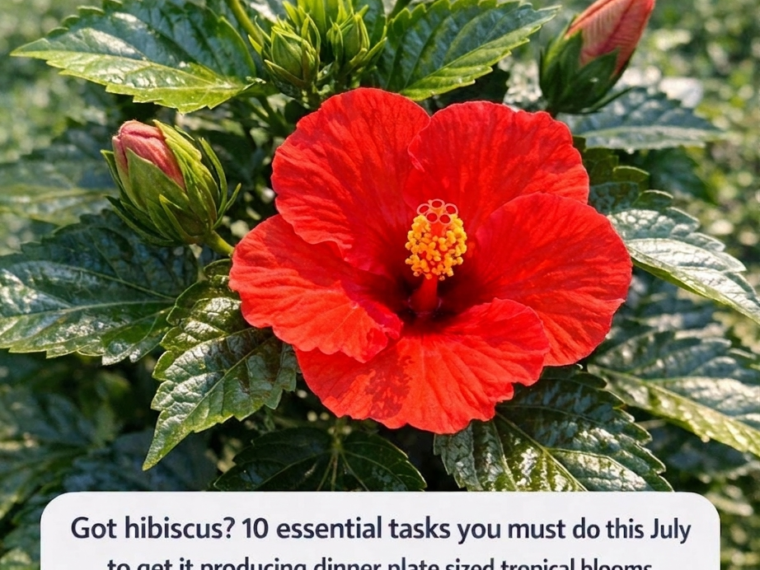
Yes. With proper care, many tropical hibiscus varieties bloom continuously from late spring until the first frost, while hardy hibiscus typically produce spectacular flowers from midsummer into early fall.
Final Thoughts
July is the month when hibiscus can truly shine. With consistent watering, regular feeding, plenty of sunshine, and a little routine maintenance, these tropical beauties reward gardeners with an unforgettable display of massive, vibrant blooms. By following these ten essential tasks, you’ll help your hibiscus stay healthy, vigorous, and covered in flowers that can rival the size of dinner plates—turning your garden into the envy of the neighborhood all summer long.