
For years, honey and cinnamon have been praised as a simple, natural combination that may support overall wellness. From soothing sore throats to adding flavor to breakfast, these two pantry staples have earned a reputation for their potential health benefits. But can taking a tablespoon of honey mixed with cinnamon every morning really make a noticeable difference?
While there is no miracle remedy that can reverse aging or cure disease, many people report feeling positive changes after incorporating this mixture into a healthy lifestyle. Here’s a closer look at what you might realistically notice after trying honey and cinnamon every morning for a month—and what science says about this popular habit.
Why Honey and Cinnamon?

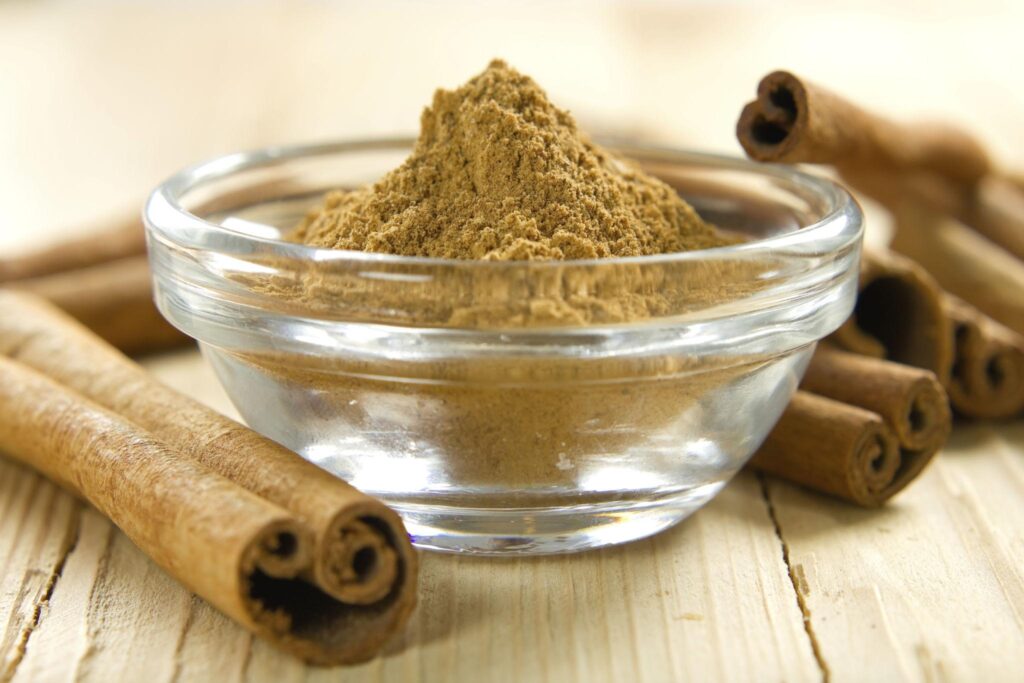
Both honey and cinnamon contain naturally occurring compounds that have been studied for their health-promoting properties.
Honey is rich in natural sugars, enzymes, antioxidants, vitamins, and minerals. Raw honey, in particular, contains polyphenols that help protect cells from oxidative stress.
Cinnamon, especially Ceylon cinnamon (often called “true cinnamon”), contains antioxidants and plant compounds that have anti-inflammatory properties. Some studies also suggest it may help support healthy blood sugar levels when consumed as part of a balanced diet.
Together, they create a flavorful combination that many people enjoy as part of their morning routine.
My Morning Routine
Every morning before breakfast, I mixed:
- 1 tablespoon of raw honey
- ½ teaspoon of ground Ceylon cinnamon
Sometimes I stirred the mixture into warm (not boiling) water, while other days I simply ate it with a spoon.
I continued this routine daily for 30 days while maintaining my usual balanced diet and regular physical activity.
Week 1: A More Pleasant Start to the Morning
The first thing I noticed was how satisfying the mixture tasted. It became a comforting part of my morning ritual.
Although there were no dramatic physical changes during the first week, I appreciated replacing sugary breakfast spreads with something simple and naturally sweet.
Week 2: Improved Digestion
By the second week, I noticed my digestion seemed more comfortable.
I experienced:
- Less bloating after meals
- More regular bowel movements
- A lighter feeling throughout the day
Honey contains small amounts of prebiotic compounds that can nourish beneficial gut bacteria, while cinnamon has traditionally been used to support digestion.
Of course, digestive improvements vary from person to person and are also influenced by overall diet and hydration.
Week 3: Steadier Energy Throughout the Morning
Instead of reaching for snacks mid-morning, I found myself feeling satisfied for longer.
Honey provides natural carbohydrates that offer quick energy, while cinnamon may help slow the digestion of carbohydrates, potentially contributing to steadier blood sugar responses when consumed with meals.
This wasn’t a dramatic burst of energy—it was more like avoiding the mid-morning slump I sometimes experienced.
Week 4: Feeling Better Overall
By the end of the month, the biggest change wasn’t one dramatic transformation—it was a collection of small improvements.
I felt:
- More consistent energy
- Better digestive comfort
- More mindful of my morning nutrition
- Motivated to continue other healthy habits
The routine itself encouraged me to start each day with intention, which can positively influence other lifestyle choices.
What Does Science Say?
Honey Is Rich in Antioxidants
Research has shown that many varieties of honey contain antioxidants such as flavonoids and phenolic acids. Antioxidants help protect the body’s cells from oxidative stress, which is associated with aging and various chronic diseases.
Darker honeys often contain higher antioxidant levels than lighter varieties.
Cinnamon Contains Powerful Plant Compounds
Cinnamon is one of the richest dietary sources of antioxidants.
Laboratory and clinical studies suggest its compounds may have:
- Anti-inflammatory properties
- Antioxidant effects
- Antimicrobial activity
However, more high-quality human studies are needed to confirm many proposed health benefits.
Blood Sugar Support
Several clinical studies suggest that cinnamon may modestly improve insulin sensitivity and help support healthy blood sugar management in some people, particularly those with insulin resistance or type 2 diabetes.
However, cinnamon should never replace prescribed medications, and anyone with diabetes should consult a healthcare provider before making significant dietary changes.
Honey for Cough Relief
Honey has one of the strongest evidence bases among natural remedies. Research has found that it can help soothe coughs and sore throats, particularly when taken before bedtime.
It is important to remember that honey should never be given to infants under one year of age because of the risk of infant botulism.
Benefits You Might Notice
Many people report experiencing:
- Improved digestion
- A soothing effect on the throat
- More satisfying breakfasts
- A natural alternative to refined sugar
- Increased antioxidant intake
- A healthier morning routine
These benefits are generally modest and should be viewed as part of an overall healthy lifestyle rather than as a cure-all.
Choosing the Right Ingredients
Best Honey
Look for:
- Raw honey
- Unfiltered honey
- Local honey, if available
- Pure honey without added syrups
Best Cinnamon
Whenever possible, choose Ceylon cinnamon.
It contains much lower amounts of coumarin, a natural compound that can be harmful to the liver in large amounts over time. Cassia cinnamon, the variety most commonly sold in supermarkets, contains significantly higher levels of coumarin.
How to Make the Mixture
TO CONTINUE READING THE ARTICLE PLEASE SEE PAGE 2