September is an important transition period in the garden. Summer growth is beginning to slow down, temperatures are gradually changing, and many perennial plants are preparing for dormancy. This makes late September an ideal time to look around your garden and decide which plants would benefit from being cut back.
Pruning at the right time can help tidy flower beds, reduce disease problems, remove damaged foliage, and prepare certain perennials for winter. However, not every perennial should be cut back in autumn. Some plants are better left standing because their foliage protects the crown, while their seed heads provide valuable food and habitat for wildlife.
Here are 11 popular perennials that are commonly cut back in late September or during the autumn cleanup, depending on your climate and local weather.
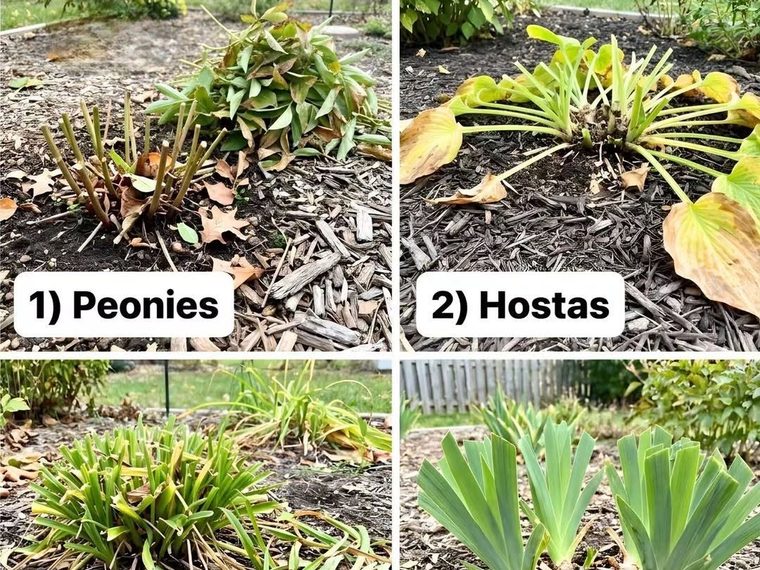
1. Peonies
Peonies are one of the easiest perennials to clean up in autumn.
After flowering, their foliage continues to produce energy that is stored in the roots for the following growing season. Therefore, it is best not to cut them immediately after flowering.
Wait until the foliage has naturally turned yellow, brown, or otherwise declined.
At that point, cut the stems down close to ground level. Remove the old leaves and stems from around the plant rather than leaving a thick layer of diseased foliage in place.
This is particularly useful because peony foliage can develop fungal diseases during the growing season.
Tip: Don’t cut healthy green peony foliage too early. Allow the plant to finish its natural seasonal cycle first.
2. Hostas
Hostas are another perennial that often looks increasingly tired as autumn approaches.
Their large leaves may develop yellow or brown patches, become damaged by slugs, or collapse after the first frost.
Once the foliage has died back, it can be removed near ground level.
Cleaning up hostas helps create a neat appearance and removes old plant material from the garden bed.
However, there is no need to rush. If the leaves are still green and healthy, allowing them to remain for a while gives the plant more time to store energy in its roots.
3. Daylilies
Daylilies are extremely hardy, but their long, grass-like foliage can become messy toward the end of the season.
Once the leaves begin turning yellow or brown, they can be cut back.
Many gardeners gather the foliage into a loose bundle and cut it down several inches above the crown before eventually removing the remaining dead material.
The important thing is to avoid damaging the crown of the plant.
Daylilies can also be divided when conditions are suitable, making autumn a useful time for general maintenance in established beds.
4. Bearded Iris
Bearded iris is particularly important to clean up carefully in autumn.
Its sword-shaped leaves can develop brown patches and fungal problems during the growing season. Removing damaged foliage helps keep the garden cleaner and reduces the amount of old plant material around the rhizomes.
Cut the leaves back to a short fan rather than randomly chopping everything down.
The rhizomes should remain exposed appropriately rather than being buried deeply under soil or mulch.
A clean iris bed also makes it easier to inspect the plants and notice problems before winter.
5. Garden Phlox
Garden phlox can be cut back once its flowering period is finished and the foliage begins to decline.
Removing the old stems helps tidy the perennial border and can reduce the amount of plant debris left around the crown.
Phlox is also susceptible to powdery mildew, especially when air circulation is poor.
If the foliage has been heavily affected by disease, remove it from the garden rather than adding it to a home compost pile unless your composting system reaches temperatures capable of properly breaking down diseased material.
6. Bee Balm
Bee balm, also known as monarda, can become unattractive after flowering.
Its stems can be cut back once the plant has finished flowering and the foliage begins to deteriorate.
This is particularly helpful if the plant suffered from powdery mildew during summer.
Good garden hygiene is important with bee balm because removing affected foliage reduces the amount of infected material remaining around the plant.
If you enjoy birds and beneficial insects, however, consider leaving some healthy seed heads in another part of the garden.
7. Catmint
Catmint can flower for a long period and may become floppy or untidy toward the end of summer.
Cutting it back after its main flowering period can help maintain a compact appearance.
In some climates, a light autumn trim is sufficient, while gardeners in colder regions may prefer to leave some growth until spring.
Avoid cutting plants aggressively if severe winter weather is approaching.
8. Salvia
Perennial salvias can benefit from removing old flower stems and declining foliage.
After flowering, trim away spent stems and damaged growth to keep the plant looking tidy.
Depending on the species and climate, some gardeners prefer a light autumn cleanup while leaving the main crown and some lower growth protected through winter.
The exact timing matters less than avoiding unnecessary cutting when the plant is still actively growing.
9. Yarrow
Yarrow produces attractive flower clusters during summer, but the plant can become untidy later in the season.
The spent flower stems can be removed to improve the appearance of the garden.
You can either remove individual flower stems or perform a more substantial cleanup once the foliage has declined.
Yarrow is also an excellent plant for pollinators, so gardeners who want to support wildlife may choose to leave some seed heads standing during winter.
10. Coneflowers
Coneflowers, particularly echinacea, are a good example of a perennial that doesn’t always need to be cut back immediately.
Their dried seed heads can provide food for birds during autumn and winter.
If your priority is a very tidy garden, you can cut them back once the foliage has died.
But if you want to create a wildlife-friendly garden, consider leaving the seed heads standing until late winter or early spring.
This is an important reminder that autumn pruning isn’t simply about cutting everything to the ground.
11. Columbine
Columbine can become somewhat untidy after flowering and may develop declining foliage as the season progresses.
Removing damaged or diseased leaves helps maintain a cleaner appearance.
However, if you want columbine to naturally reseed around the garden, leaving some seed heads in place can allow the plant to drop seeds for future generations.
This means you can combine both approaches: remove unhealthy foliage while leaving selected seed heads intact.
Should You Cut Everything Back Before Winter?
TO CONTINUE READING THE ARTICLE PLEASE SEE PAGE 2