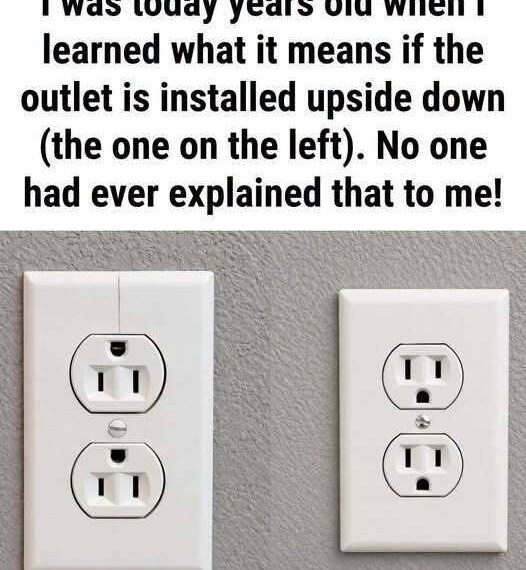
Have you ever walked into a house and noticed that one electrical outlet looks like it was installed upside down?
At first glance, it can seem like a mistake. After all, most outlets are installed with the small ground opening facing downward. But in some homes, you’ll find outlets installed with the ground opening on top.
And surprisingly, that doesn’t necessarily mean the electrician made a mistake.
There is actually a practical reason why some electricians and homeowners intentionally install receptacles this way.
🔌 What Does “Upside Down” Actually Mean?
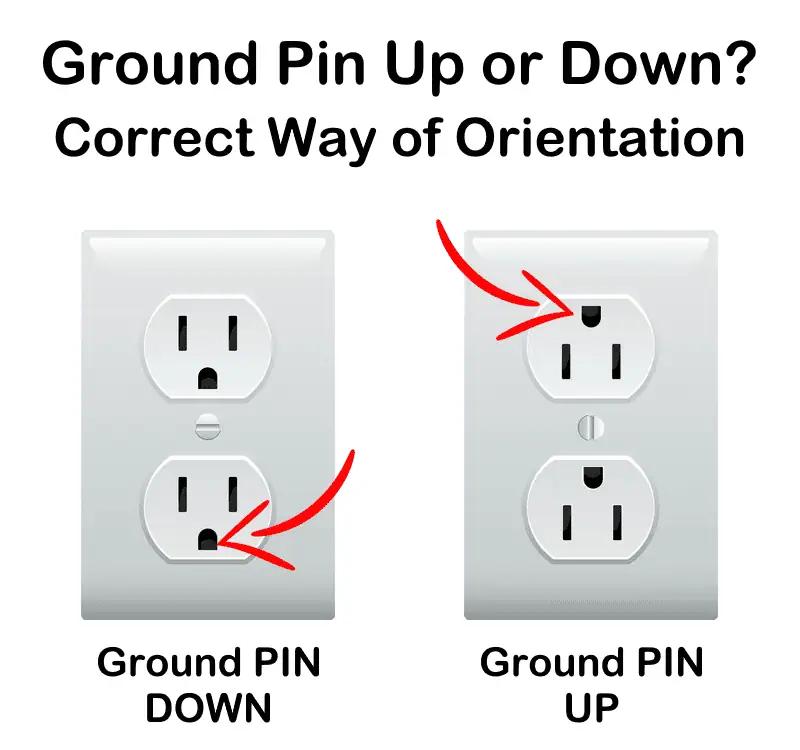
Look closely at a standard North American electrical receptacle.
It has three openings:
- Two vertical slots for the electrical blades
- One round opening for the grounding pin
In the most familiar orientation, the grounding hole is at the bottom.
When the receptacle is rotated 180 degrees, the grounding hole is at the top.
Electrically, simply rotating the receptacle does not change how the outlet works.
The important electrical connections remain the same.
So why would anyone choose one orientation over the other?
⚡ The Main Reason: Safety
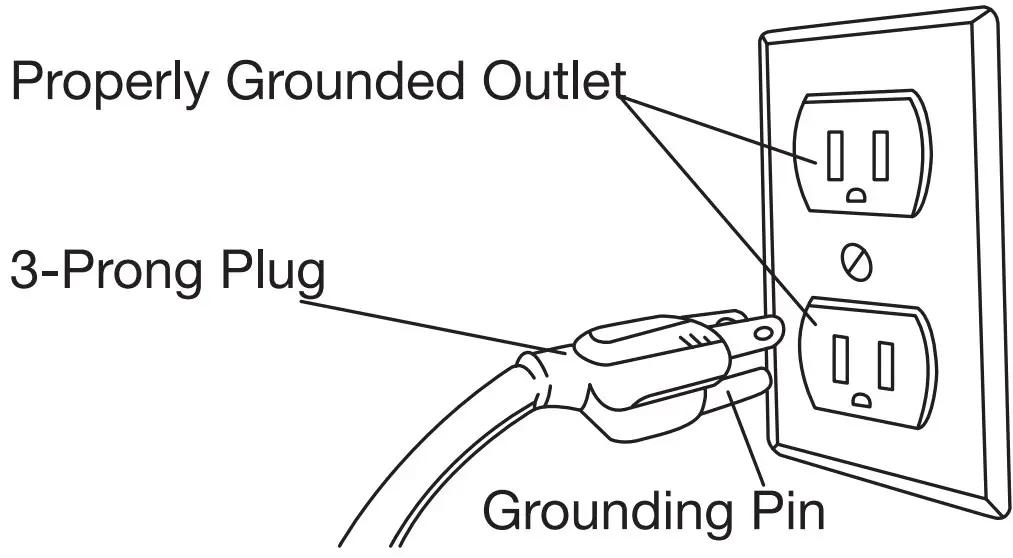
One of the arguments for installing a receptacle with the grounding hole on top involves what could happen if a plug is only partially inserted.
Imagine a heavy electrical plug being pulled downward by its cord.
If the plug becomes partially disconnected and a metal object were to fall onto it, the orientation of the receptacle can affect which part of the plug might be contacted first.
With the grounding pin positioned at the top, some electricians argue that a falling conductive object is more likely to contact the grounding portion first rather than bridging the energized conductors.
The idea is simple:
Ground first, energized contacts second.
This is one reason you may see the “ground-up” orientation in certain commercial, industrial or specialized installations.
However, this is not a universal rule, and the preferred orientation can depend on local electrical codes, installation practices and the type of receptacle.
🏠 Why Do Most Homes Have the Ground Hole Down?
If ground-up installation has a potential safety advantage in some situations, you might wonder:
Why are residential outlets so often installed with the ground hole facing downward?
There isn’t a single worldwide standard requiring one orientation.
In many residential installations, electricians traditionally install receptacles with the ground pin down simply because it is the familiar convention.
It also works perfectly well electrically.
For decades, homeowners have used this orientation without any problem.
In other words, seeing the ground hole at the bottom doesn’t mean your outlet is unsafe.
🔧 Is an “Upside-Down” Outlet Actually Wrong?
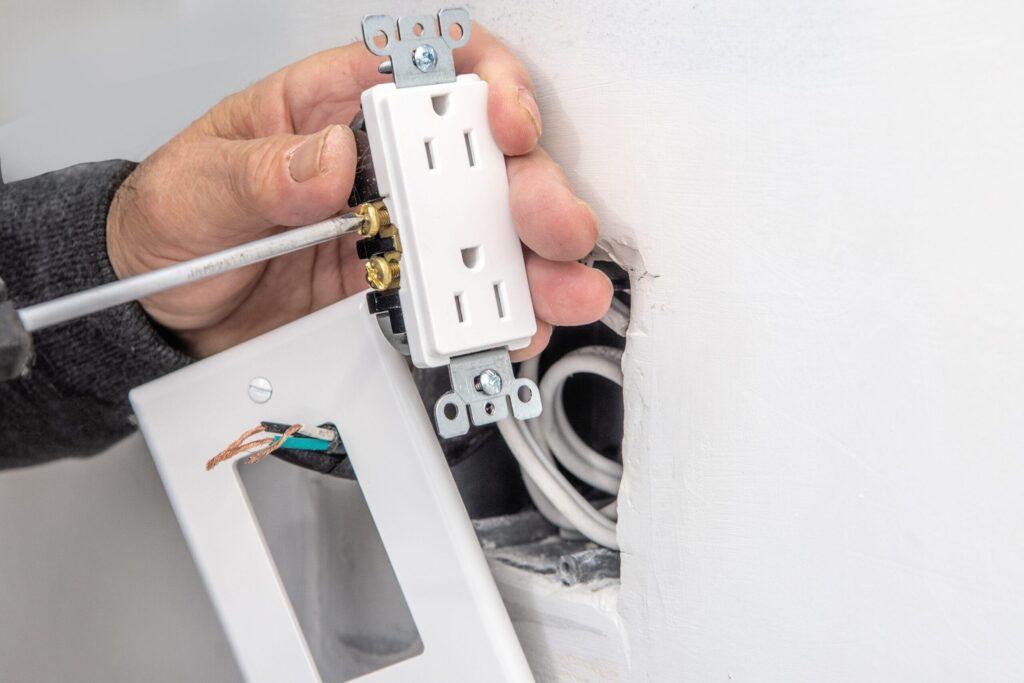
Not necessarily.
This is probably the biggest misconception surrounding the viral image.
An electrical receptacle can often be installed either way, depending on applicable electrical requirements and the installation.
The orientation itself does not determine whether an outlet is correctly wired.
What matters much more is:
- Proper wiring
- Correct grounding
- Appropriate circuit protection
- Correct polarity
- Secure connections
- Properly rated components
- Compliance with local electrical codes
An outlet that looks “upside down” isn’t automatically defective.
👀 There Is Another Interesting Reason Electricians Do This
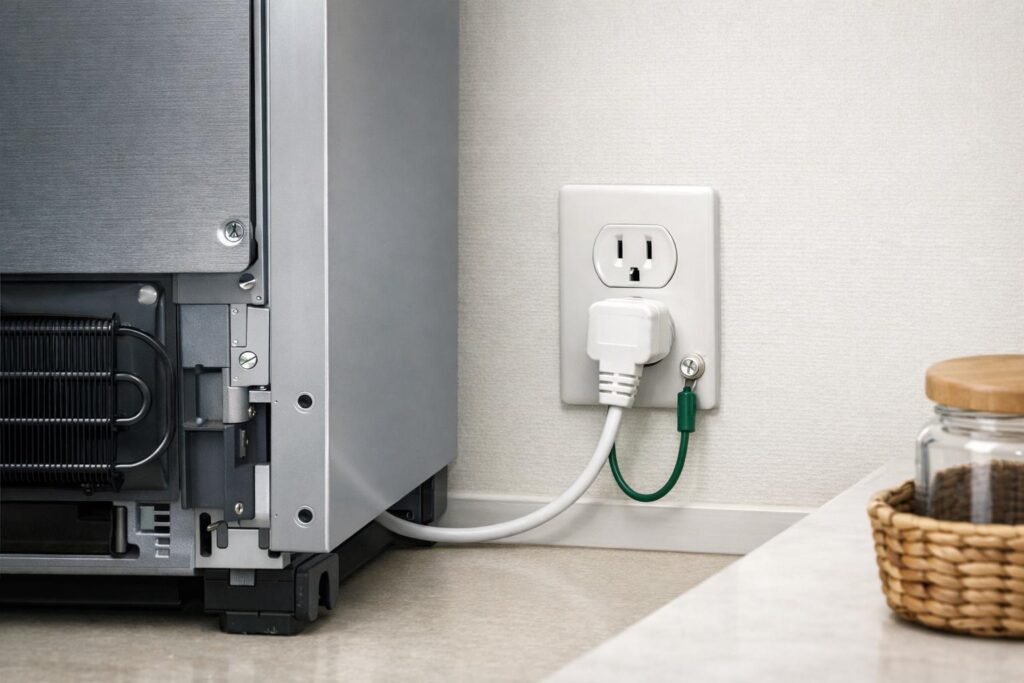
Sometimes the orientation can be used as a visual signal.
For example, an electrician might install a particular receptacle orientation to indicate something about the circuit or installation.
In some environments, unusual orientation can help distinguish a particular type of receptacle or circuit from ordinary outlets.
But this isn’t universal either.
Different electricians, contractors and jurisdictions may use different conventions.
That’s why you shouldn’t assume:
“Ground hole up means this outlet has a special circuit.”
It might—but it might simply have been installed that way.
🔌 What About the Plug Itself?
TO CONTINUE READING THE ARTICLE PLEASE SEE PAGE 2