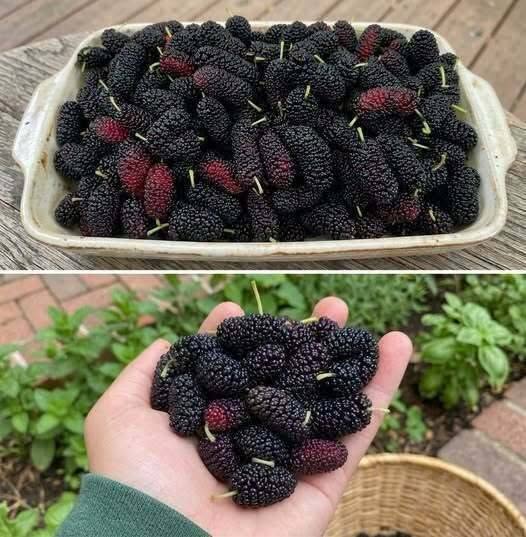
Bilberries are small, dark blue-purple berries that have attracted attention for their rich concentration of naturally occurring plant compounds. Closely related to blueberries, the European bilberry (Vaccinium myrtillus) has a long history of traditional use, particularly in Europe.
Today, bilberries are often associated with antioxidant protection, healthy circulation and eye health. But how much of this reputation is supported by scientific evidence?
The answer is more nuanced than many social-media posts suggest. Bilberries contain interesting compounds—especially anthocyanins—but they should be viewed as part of a balanced diet rather than a miracle treatment.
What exactly is a bilberry?
The bilberry, scientifically known as Vaccinium myrtillus, is a small shrub belonging to the Ericaceae family. It grows naturally in parts of Europe and other northern regions.
The fruit is usually dark blue, purple or almost black when ripe. Unlike many cultivated blueberries, bilberries can have strongly colored flesh as well as colored skin.
Bilberries are sometimes confused with:
- Blueberries
- Huckleberries
- Blackberries
- Mulberries
- Bog bilberries
These fruits are not interchangeable botanically, even though several contain similar antioxidant compounds.
The berries in the supplied image, for example, appear more consistent with mulberries than European bilberries.
Why are bilberries interesting nutritionally?
The main reason researchers are interested in bilberries is their concentration of polyphenols, particularly anthocyanins.
Anthocyanins are natural pigments responsible for many of the deep red, purple and blue colors found in fruits and vegetables. Bilberries are particularly rich in these compounds.
Bilberries also contain other plant compounds, including:
- Flavonoids
- Tannins
- Phenolic compounds
- Vitamin-related nutrients
- Other polyphenols
The exact nutritional composition can vary depending on the variety, growing conditions, ripeness and preparation.
Anthocyanins: the compounds behind the dark color
One of the most interesting features of bilberries is their anthocyanin content.
These compounds are often described as “antioxidants.” In simple terms, antioxidants are substances that participate in biological systems involved in controlling oxidative processes.
However, it is important not to oversimplify this.
Eating an antioxidant-rich food does not mean that the food simply “cleans all the toxins from your body.” Human antioxidant biology is much more complicated.
Instead, researchers are investigating how plant polyphenols may interact with cellular signaling, inflammation and oxidative-stress pathways.
Recent reviews continue to identify bilberries as an important dietary source of anthocyanins and other polyphenolic compounds.
Bilberries and eye health
Perhaps the most famous claim surrounding bilberries is their connection with vision.
Bilberry became particularly well known because of the long-standing story that British pilots consumed bilberry products during World War II to improve their night vision.
Whether the original story was accurate is uncertain. The historical claim helped generate scientific interest, however, and researchers subsequently investigated bilberry extracts and vision.
But can bilberries actually improve night vision?
This is where caution is important.
A systematic review examining placebo-controlled trials concluded that rigorous clinical evidence did not support the claim that bilberry anthocyanins improve normal night vision in healthy people.
The U.S. National Center for Complementary and Integrative Health similarly states that research on bilberry has produced conflicting results and that the most rigorous studies have not demonstrated improved night vision in healthy individuals.
So the popular claim that “bilberries give you night vision” is not scientifically established.
That doesn’t mean the fruit is uninteresting for eye health. It means that we should distinguish between promising biological mechanisms and proven clinical effects.
Why are antioxidants relevant to the eyes?
The retina is metabolically active and exposed to oxidative processes. Researchers are therefore interested in whether antioxidant-rich foods and plant compounds can contribute to maintaining normal ocular tissues.
Laboratory studies have found that bilberry anthocyanins can interact with antioxidant-defense mechanisms in retinal cells.
There is also broader research investigating anthocyanin-rich foods and eye health.
A meta-analysis of clinical trials involving flavonoids found potentially beneficial effects for some ophthalmic outcomes, including interventions involving anthocyanins. However, the researchers emphasized that additional well-designed clinical trials are needed.
This distinction is essential:
Bilberries contain compounds that may support biological processes relevant to eye health, but this does not mean eating bilberries can prevent, cure or reverse an eye disease.
Bilberries and long-term wellness
The potential benefits of bilberries go beyond the eyes.
Their polyphenol content has generated research into several areas, including:
1. Oxidative stress
Anthocyanins and other polyphenols have antioxidant activity in experimental settings. This is one reason berries are frequently included among foods associated with a healthy dietary pattern.
2. Inflammation
Research into anthocyanins more broadly suggests that these compounds may influence certain inflammatory pathways and biomarkers. A recent umbrella review found potentially beneficial effects from anthocyanin intake across several health-related outcomes, while also emphasizing that the quality of evidence varies.
3. Cardiovascular health
Researchers have investigated berry polyphenols in relation to blood vessels, blood lipids and cardiovascular risk factors.
This doesn’t mean bilberries are a treatment for heart disease. Rather, they can be one component of a diet rich in fruits, vegetables, whole grains and other minimally processed foods.
4. Healthy aging
Because oxidative stress and inflammation are involved in many biological processes associated with aging, scientists are investigating whether polyphenol-rich foods may contribute to healthy aging.
Bilberries are therefore interesting from a nutritional research perspective—but claims that they “reverse aging” or “prevent all chronic diseases” go far beyond the available evidence.
Fresh bilberries vs. supplements
This is an important distinction.
Eating bilberries as a food is very different from taking a concentrated bilberry extract.
Whole fruit provides a combination of:
- Water
- Fiber
- Natural carbohydrates
- Polyphenols
- Micronutrients
- Other plant compounds
Supplements can contain much more concentrated amounts of specific compounds.
According to NCCIH, bilberry fruit is considered safe when consumed in amounts normally found in foods. Bilberry extracts have also been studied and generally appear well tolerated in certain research settings, although supplement use deserves more caution than ordinary food consumption.
What about bilberry leaves?
TO CONTINUE READING THE ARTICLE PLEASE SEE PAGE 2