How to Wash Green Onions Properly
Proper washing is simple and effective.
Step 1: Remove the Root End
Use a sharp knife to cut off:
- The roots
- Any damaged leaves
Step 2: Separate the Leaves
If possible:
- Spread apart the green tops slightly.
This allows water to reach hidden dirt trapped between layers.
Step 3: Rinse Under Running Water
Hold the onions under cool running water.
Rub them gently with your fingers.
Rotate continuously while rinsing.
Step 4: Soak if Very Dirty
If covered in soil:
Fill a bowl with cold water.
Let them soak for:
5–10 minutes.
The dirt will settle at the bottom.
Then rinse again.
Step 5: Dry
Pat dry using:
- Paper towels
- A clean kitchen towel
Dry vegetables store better and stay fresh longer.
Should You Use Vinegar?
Some people soak vegetables in a mixture of water and white vinegar.
A common ratio is:
- 3 parts water
- 1 part white vinegar
Soak for about 5–10 minutes, then rinse thoroughly with clean water. While vinegar may help reduce some surface microbes, plain running water is generally sufficient for routine cleaning. Avoid relying on vinegar as a substitute for proper food handling.
Is Cooking Safer?
Cooking destroys many harmful microorganisms.
Adding green onions to:
- Soups
- Stir-fries
- Fried rice
- Sauces
can further reduce microbial risks.
However, raw green onions remain safe for most healthy people when properly washed.
Who Should Be Extra Careful?
Some individuals have a higher risk of severe illness from foodborne infections, including:
- Pregnant women
- Older adults
- Young children
- People with weakened immune systems
- Organ transplant recipients
- Individuals undergoing chemotherapy
These groups should pay extra attention to washing produce carefully and may choose cooked vegetables when appropriate.
How to Store Green Onions
Proper storage helps reduce spoilage.
Store them:
- In the refrigerator
- Wrapped loosely in a damp paper towel
- Inside a perforated plastic bag or reusable produce bag
For best quality, use within one to two weeks.
Discard green onions that become slimy, foul-smelling, or moldy.
Common Myths
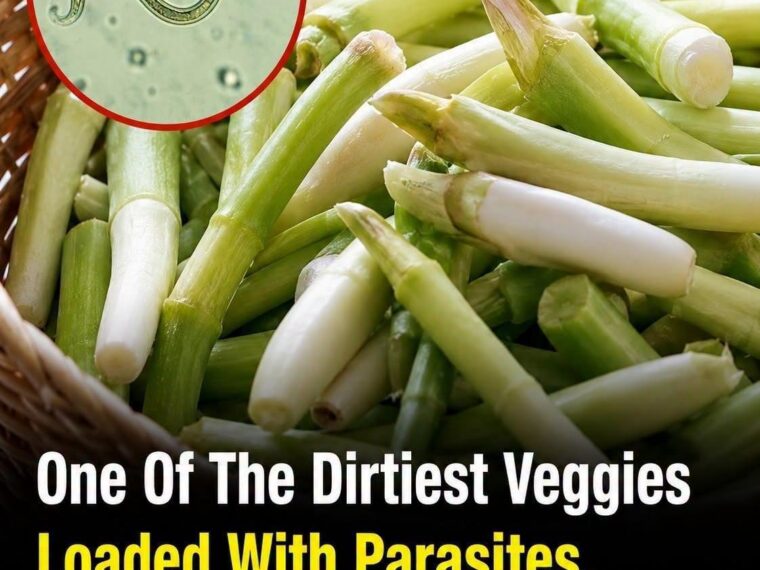
Myth: Green onions are full of parasites.
Reality: They can become contaminated like many fresh vegetables, but they are not uniquely “loaded” with parasites.
Myth: You should never eat them raw.
Reality: Raw green onions are commonly eaten worldwide and are generally safe when properly washed and handled.
Myth: Vinegar removes all germs.
Reality: Vinegar may help reduce some surface contamination but does not sterilize produce or eliminate all microorganisms.
Myth: Organic vegetables are always safer.
Reality: Both organic and conventionally grown produce should be washed thoroughly before eating.
Final Thoughts
Green onions are a flavorful, nutritious ingredient enjoyed in cuisines around the world. While it’s true that fresh produce can sometimes carry dirt, bacteria, or, in rare cases, parasites if contaminated before reaching your kitchen, sensational claims that green onions are “one of the dirtiest vegetables” are not supported by evidence.
The safest approach is simple: buy fresh produce from reputable sources, wash it thoroughly under running water, store it properly, and practice good kitchen hygiene. By following these basic food safety steps, you can continue enjoying green onions raw or cooked with confidence while benefiting from their excellent nutritional value.