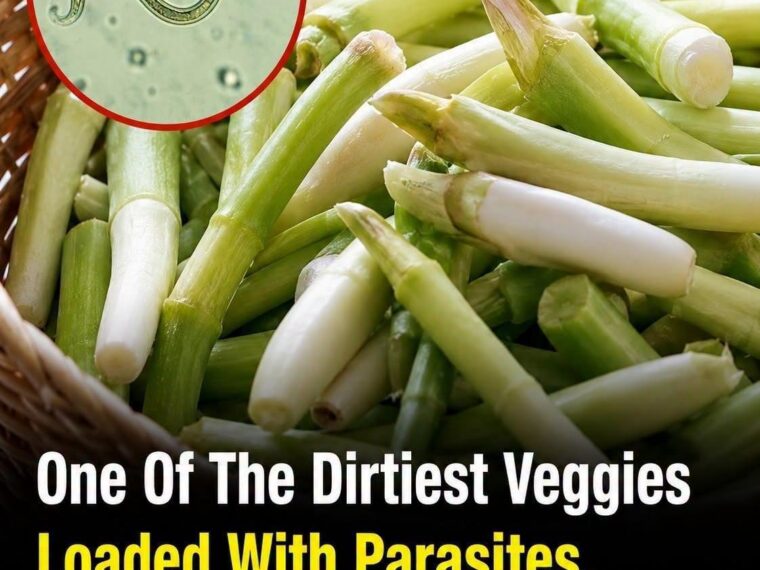
Social media is full of alarming claims about everyday foods. One recent post warns that green onions (also called scallions or spring onions) are “loaded with parasites” and that eating them raw is extremely dangerous. While the image is certainly eye-catching, the reality is much more nuanced.
Like many fresh vegetables, green onions can become contaminated with bacteria, parasites, or other microorganisms if they are grown, harvested, transported, or handled under poor sanitary conditions. However, calling them “one of the dirtiest vegetables” is misleading. When properly washed and handled, green onions are a safe, nutritious, and delicious addition to countless meals.
Here’s what you need to know.
Why Green Onions Can Become Contaminated
Green onions grow close to the soil, where they are exposed to many environmental factors.
Possible sources of contamination include:
- Soil containing parasites
- Contaminated irrigation water
- Animal manure used as fertilizer
- Birds and wild animals
- Poor handling during harvesting
- Dirty transportation containers
- Unsanitary food preparation
These risks are not unique to green onions. Many leafy vegetables and herbs—including lettuce, spinach, cilantro, parsley, and basil—can be exposed to similar conditions.
Are Parasites Really Common?
The image suggests green onions are “loaded with parasites,” but there is no evidence that green onions are uniquely prone to parasite contamination compared with other fresh produce.
In rare cases, vegetables contaminated with fecal matter or unsafe irrigation water can carry microscopic parasites such as:
- Giardia
- Cryptosporidium
- Cyclospora
- Toxoplasma gondii (less commonly on produce)
These organisms cannot usually be seen with the naked eye and are associated with poor sanitation rather than the vegetable itself.
Fortunately, food safety standards and proper washing greatly reduce these risks.
Other Possible Contaminants
Besides parasites, fresh green onions may occasionally carry:
Bacteria
These include:
- Salmonella
- E. coli
- Listeria
Most outbreaks linked to vegetables result from contamination somewhere along the production chain—not because the vegetable is naturally unsafe.
Dirt and Sand
Green onions frequently trap:
- Soil
- Fine sand
- Dust
- Tiny insects
The layered leaves make thorough washing especially important.
Why Many People Eat Them Raw
Green onions are enjoyed raw because they offer:
- A mild onion flavor
- Crisp texture
- Bright color
- Fresh aroma
They are commonly added to:
- Salads
- Soups
- Sandwiches
- Tacos
- Sushi
- Stir-fries
- Omelets
- Potato dishes
- Dips
Eating them raw is generally considered safe when they are properly cleaned.
Health Benefits of Green Onions
Despite alarming headlines, green onions are actually highly nutritious.
They contain:
Vitamin K
Supports:
- Bone health
- Normal blood clotting
Vitamin C
Helps:
- Immune function
- Skin health
- Collagen production
Vitamin A
Supports:
- Healthy vision
- Skin
- Immune defenses
Antioxidants
Green onions contain beneficial plant compounds, including flavonoids and sulfur-containing compounds, which may help protect cells from oxidative stress.
Fiber
Although not high in fiber, they still contribute to healthy digestion when included as part of a balanced diet.
How to Wash Green Onions Properly
TO CONTINUE READING THE ARTICLE PLEASE SEE PAGE 2