Most of us have done it thousands of times without thinking twice. We plug our phone into its charger, wait until the battery is full, disconnect the phone, and leave the charger sitting in the wall socket.
Sometimes, we even leave chargers plugged in for days because we know we’ll need them again.
It seems harmless, doesn’t it? After all, there’s no phone connected, so surely nothing can happen?
But according to electrical safety experts, this everyday habit deserves more attention than most people realize. While modern phone chargers are generally designed to be safe, leaving them connected unnecessarily can contribute to electricity waste and expose you to avoidable risks, especially if the charger is damaged, defective, or poorly manufactured.
An electrician’s warning made me reconsider something I had been doing for years. And once you understand what happens inside a charger when it remains connected to electricity, you might start thinking twice before leaving yours in the socket.
Here’s what you need to know.
1. Your Charger Still Uses Electricity Even When Your Phone Isn’t Connected
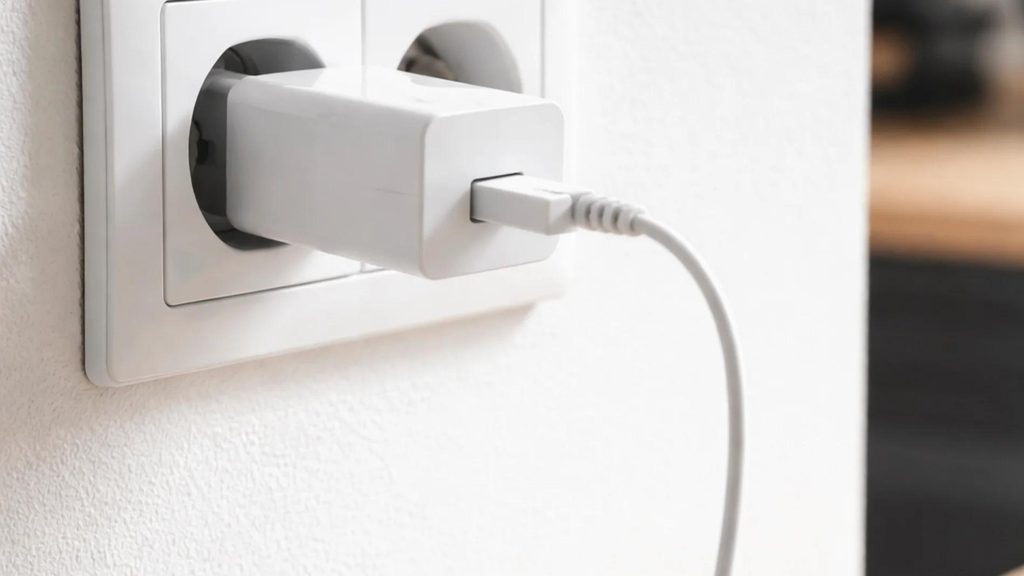
One of the biggest misconceptions about phone chargers is that they stop consuming electricity as soon as the phone is disconnected.
Unfortunately, that’s not entirely true.
When you plug a charger into a wall socket, electricity flows into its internal electronic components. These components convert the electricity from your household supply into the lower voltage required to charge your smartphone.
Even without a phone connected, some of these components continue consuming a small amount of electricity.
This is commonly called standby power or vampire energy.
Now, before you panic, the electricity consumed by a modern, good-quality phone charger in standby mode is generally extremely small. You probably won’t notice a significant difference in your electricity bill from one charger alone.
However, think about how many chargers you have around your home.
There’s probably one beside your bed, another in the living room, perhaps one in the kitchen, and several more connected to extension sockets.
When you add up all these small amounts of unnecessary electricity consumption, the total can become more noticeable.
Unplugging chargers when they aren’t needed is therefore a simple way to reduce unnecessary energy consumption.
2. The Real Danger: A Faulty Charger Can Overheat
This is probably the most important reason to pay attention to your electrician’s warning.
A modern charger from a reputable manufacturer contains electronic components designed to regulate electricity and protect against certain electrical problems.
However, chargers aren’t indestructible.
Internal components can deteriorate, insulation can become damaged, and manufacturing defects can create electrical faults.
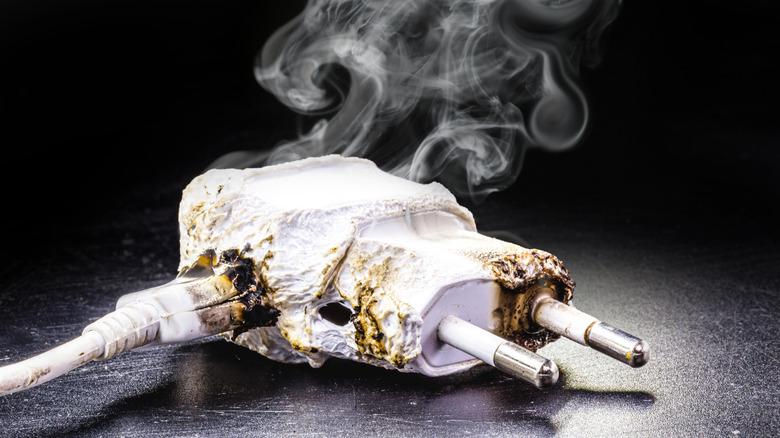
If something goes wrong, a charger that remains connected to the electrical supply could potentially overheat.
The problem is particularly concerning with very cheap chargers that haven’t been manufactured according to appropriate safety standards.
Some counterfeit products lack important protective components, making them more vulnerable to overheating and electrical failure.
This doesn’t mean every charger left in a wall socket is dangerous. A properly manufactured charger in good condition is generally very safe.
Nevertheless, disconnecting unused chargers is a sensible precaution that eliminates unnecessary exposure to electrical faults.
3. Cheap Phone Chargers Can Be More Dangerous Than You Think
TO CONTINUE READING THE ARTICLE PLEASE SEE PAGE 2