Wooden doors are touched many times throughout the day. Every time someone opens or closes a door, natural oils from the hands, sweat, dust, and small particles can transfer onto the surface.
Over time, these substances accumulate and create visible marks. The most common causes include:
- Fingerprints and grease: Areas around handles often become darker because of oils from the skin.
- Dust and dirt: Dust settles into decorative grooves, corners, and carved details.
- Cleaning product residue: Some furniture sprays and household cleaners leave a film that attracts more dust.
- Moisture: Excessive water can cause cloudy marks, swelling, discoloration, or damage to the protective finish.
- Sunlight: Direct sunlight can gradually change the color of natural wood and make certain areas look faded.
Regular gentle cleaning helps prevent these problems and keeps the door looking attractive for longer.
What You Need to Clean a Wooden Door
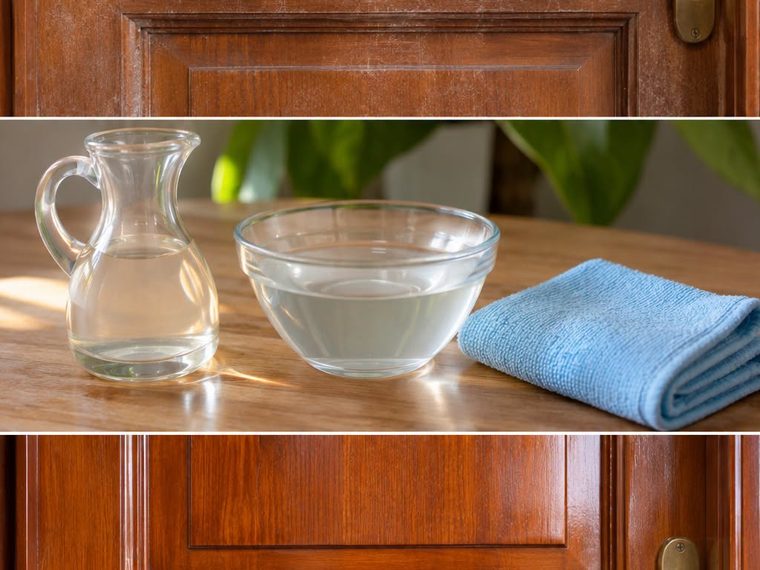
You do not need expensive cleaning products to maintain an ordinary finished wooden door. A few basic supplies are usually enough:
- A soft microfiber cloth or lint-free cotton cloth
- A small bowl of lukewarm water
- A few drops of mild dishwashing liquid or gentle soap
- A second bowl of clean water
- A dry, soft towel
- A soft toothbrush for decorative grooves and corners
The most important thing is to avoid soaking the wood. A damp cloth is sufficient for removing most everyday dirt.
Step-by-Step: How to Clean a Wooden Door
Step 1: Remove Loose Dust
Begin by wiping the entire door with a clean, dry, soft cloth. Work from the top down, paying particular attention to the decorative panels, edges, and corners.
Removing dust first is important because rubbing dirt particles against the surface can create tiny scratches.
For detailed carvings and narrow grooves, use a soft-bristled brush or a clean, dry toothbrush.
Step 2: Prepare a Gentle Cleaning Solution
Pour some lukewarm water into a small bowl and add just a few drops of mild dishwashing liquid.
Mix gently until the soap is distributed through the water. Avoid creating a solution that is excessively concentrated.
This simple mixture can help loosen fingerprints, light grease, and everyday dirt without requiring aggressive chemicals.
Important: Always check the door manufacturer’s care instructions. Different finishes can react differently to cleaning products.
Step 3: Test a Small, Hidden Area
Before cleaning the entire door, test the solution on a small, inconspicuous area.
Dampen a soft cloth, wring it out thoroughly, and gently wipe the test area. Dry it immediately with another cloth.
Check for changes in color, shine, texture, or finish. If the surface becomes cloudy, sticky, or discolored, stop and use only the cleaning method recommended by the manufacturer.
Step 4: Wipe the Door Gently
Once the test is successful, clean the door section by section.
Follow these simple guidelines:
- Dampen the cloth with the mild cleaning solution.
- Wring out excess water until the cloth is only slightly damp.
- Wipe gently, following the direction of the wood grain where visible.
- Pay extra attention to fingerprints and areas around the handle.
- Rinse the cloth frequently so you do not spread dirt across the surface.
Do not scrub aggressively, even if some marks appear stubborn. Excessive pressure can damage the protective coating.
Step 5: Clean the Decorative Details
Wooden doors often have raised panels, carved borders, and narrow spaces where dust accumulates.
Use a slightly damp soft toothbrush to reach these areas. Work carefully and avoid allowing water to collect inside the grooves.
Wipe away any loosened dirt with a soft cloth.
Step 6: Remove Soap Residue
Take a second clean cloth and dampen it with plain water. Wring it out thoroughly and gently wipe the areas where you used the soapy solution.
This helps remove leftover soap, which could otherwise leave streaks or a dull film.
Step 7: Dry the Entire Surface
This is one of the most important steps.
Use a clean, dry microfiber or cotton cloth to remove all remaining moisture. Make sure to dry the edges, corners, decorative panels, and areas around the handle.
Never leave standing water on a wooden door. Prolonged moisture can damage the finish and, in some cases, cause the wood to swell or become discolored.
Can You Use White Vinegar to Clean Wooden Doors?
White vinegar is often recommended as a natural household cleaning ingredient. However, it is acidic, and it is not suitable for every wooden surface.
Some finishes may tolerate certain diluted cleaning products, while others can become dull, cloudy, or damaged after contact with acidic substances.
For this reason, vinegar should not be treated as a universal solution for wooden doors.
Unless the manufacturer specifically approves it, it is safer to avoid vinegar, lemon juice, alcohol, bleach, ammonia, and abrasive cleaning powders on finished wood.
If the door has stubborn marks, identify the type of finish and choose a compatible product rather than experimenting with stronger household mixtures.
How to Restore the Appearance of a Dull Wooden Door
TO CONTINUE READING THE ARTICLE PLEASE SEE PAGE 2