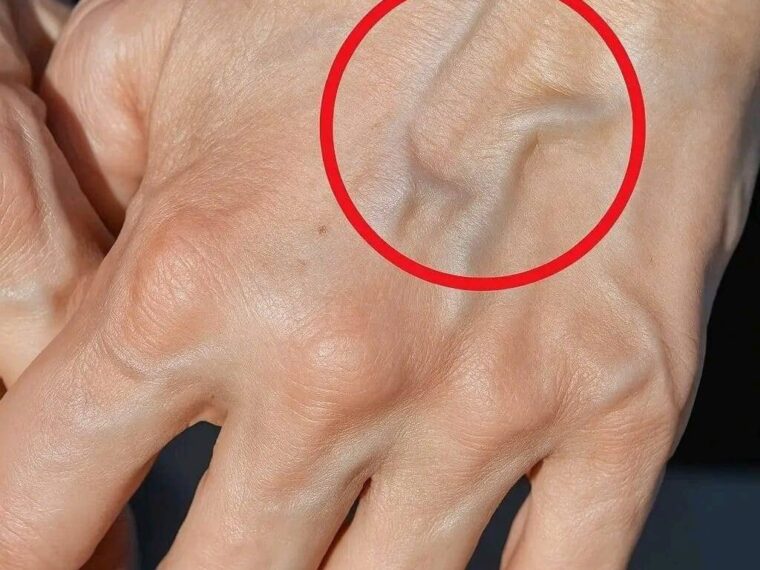
Sometimes, visible veins can be associated with underlying conditions:
Varicose Veins
These veins appear twisted, enlarged, and often raised. They commonly occur in the legs and may be associated with:
- Leg heaviness
- Aching or pain
- Swelling
- Itching or skin changes
Chronic Venous Insufficiency
This condition occurs when veins have difficulty returning blood to the heart. Signs may include:
- Persistent swelling
- Skin discoloration
- Thickened skin around the ankles
- Open sores in severe cases
Sudden Changes
Suddenly prominent veins without a clear cause—especially if accompanied by pain, redness, or warmth—may require medical evaluation to rule out circulation issues or blood clots.
Visible Veins in Specific Body Areas
Hands and Arms
Often caused by aging, exercise, or low body fat. Generally harmless.
Legs
More commonly associated with vein-related conditions, especially if veins are bulging or painful.
Chest
May appear due to weight loss, hormonal changes, pregnancy, or increased blood flow. Usually normal unless accompanied by other symptoms.
Can Lifestyle Affect Vein Visibility?
Yes. Certain habits can influence how visible your veins are:
- Hydration: Dehydration can reduce blood volume and make veins appear more prominent.
- Standing or sitting for long periods: Can increase pressure in leg veins.
- Diet: Low collagen support and high salt intake may worsen vein appearance.
- Smoking: Damages blood vessels and skin quality.
Improving circulation through movement, hydration, and balanced nutrition can help reduce vein prominence in some cases.
When Should You See a Doctor?
Consider medical advice if:
- Veins suddenly become painful or swollen
- Skin changes appear around the veins
- One leg becomes more swollen than the other
- You experience warmth, redness, or tenderness
These symptoms may indicate a condition that needs medical attention.
Are Visible Veins Dangerous?
For most people, visible veins are a normal part of human anatomy and a sign of efficient circulation rather than a problem. Only when accompanied by discomfort, swelling, or skin changes do they become a potential health concern.
Final Thoughts
Visible veins can be influenced by genetics, age, fitness level, temperature, and skin thickness. In many cases, they are simply a natural feature of the body. Understanding the difference between normal vein visibility and signs of vein disease empowers you to take better care of your vascular health.
If something feels unusual or uncomfortable, trust your instincts and seek professional medical advice. Knowledge—and awareness—are your best tools for staying healthy 💙