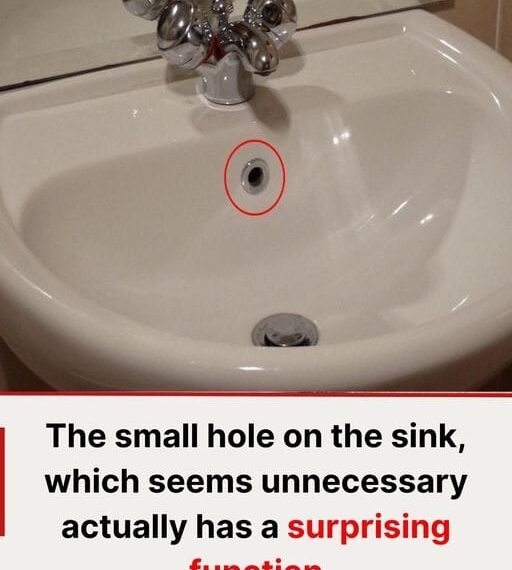
Another lesser-known benefit is that the overflow hole:
- allows air to enter the drainage system
- reduces suction in the drain
- helps water flow out of the sink more smoothly
Without proper airflow, draining can be slower and noisier.
Why Some Sinks Don’t Have One
Not all sinks include overflow holes. You’ll often find them in:
- bathroom sinks
- basins designed to hold water
Sinks without overflows (like some modern or vessel sinks) require:
- special non-closing drains
- extra caution when filling
Why You Should Keep It Clean
Because water passes through it, the overflow hole can collect:
- soap residue
- toothpaste
- mold
- bacteria
Over time, this can cause unpleasant odors.
Simple Cleaning Tip:
Use a small brush or pipe cleaner dipped in vinegar or mild cleaner to clean the overflow channel regularly.
Common Misconceptions
❌ “It’s just decorative.”
❌ “It doesn’t do anything.”
❌ “It’s okay if it gets blocked.”
✔ In reality, a blocked overflow hole defeats its entire purpose.
Final Thoughts
That tiny hole in your sink may look insignificant, but it quietly protects your home from water damage and helps your sink drain properly. It’s a perfect example of smart design hiding in plain sight.
Next time you use your sink, you’ll know:
💧 That small hole is doing a big job.