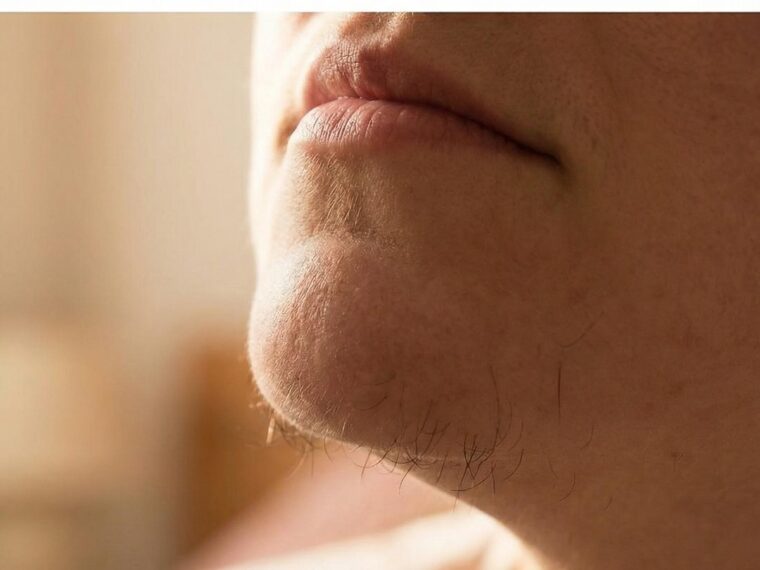
Many women notice a few hairs growing on their chin at some point in their lives. While it can feel surprising or even concerning, chin whiskers are actually quite common. In most cases, they are harmless and simply related to natural hormonal changes. However, in some situations, they may signal underlying hormonal imbalances or health conditions.
Understanding why chin hair appears can help women decide whether it is just a normal part of aging or something that deserves medical attention.
Why Do Women Get Chin Whiskers?
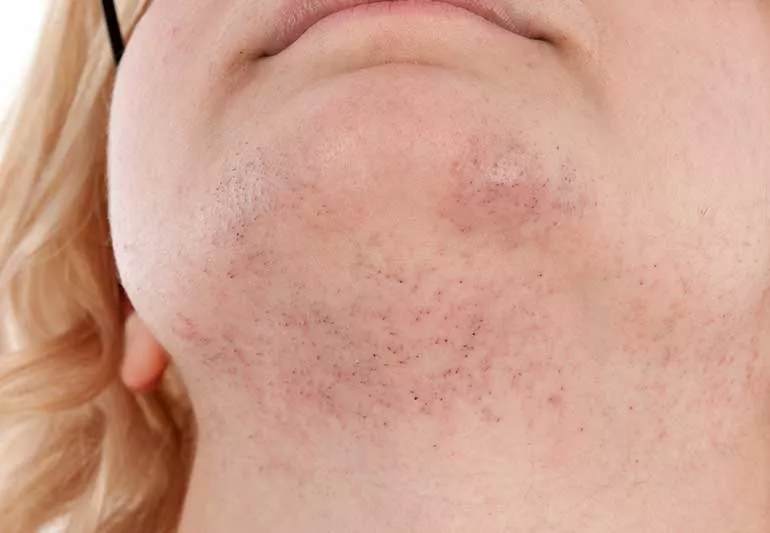
Chin hair growth in women is usually linked to hormones, particularly a group called androgens, which are often considered “male hormones.” Women also produce androgens, but normally in smaller amounts.
When androgen levels increase or when hair follicles become more sensitive to them, thicker and darker hair may grow in areas such as the chin, upper lip, chest, or abdomen.
Several factors can contribute to this change.
1. Hormonal Changes With Age
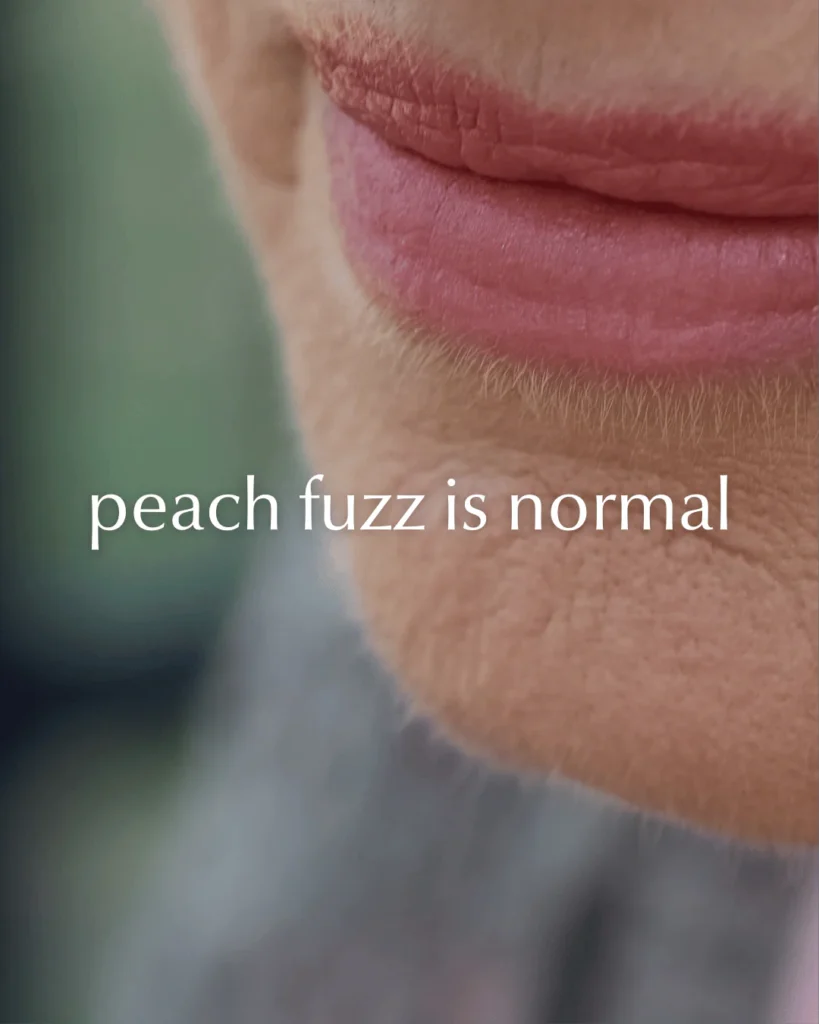
One of the most common reasons for chin whiskers is aging, especially during perimenopause and menopause.
As women age, estrogen levels decline while androgen levels remain relatively stable. This hormonal shift can cause facial hair to become more noticeable.
Common signs include:
- A few coarse hairs on the chin
- Slower scalp hair growth
- Changes in skin texture
For many women, this is a normal biological change rather than a medical problem.
2. Genetics
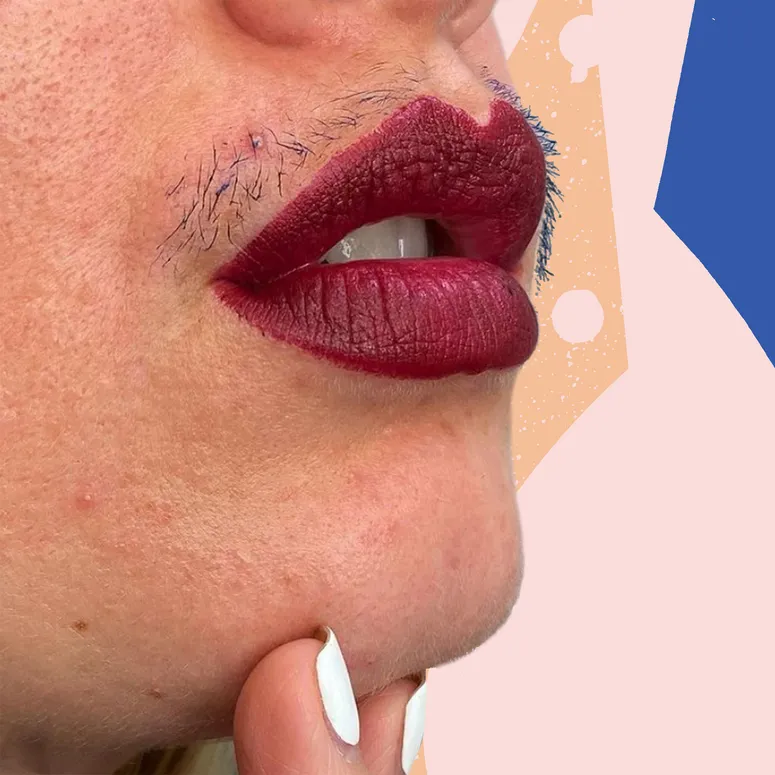
Genetics plays a major role in body and facial hair patterns.
Women from certain ethnic backgrounds—such as Mediterranean, Middle Eastern, or South Asian heritage—may naturally have thicker or darker body hair.
If female relatives like your mother or grandmother had chin whiskers, there’s a good chance genetics is the reason.
3. Polycystic Ovary Syndrome (PCOS)
One medical condition often associated with excessive facial hair is Polycystic Ovary Syndrome.
PCOS is a hormonal disorder that affects how the ovaries function. Women with PCOS may produce higher levels of androgens, leading to symptoms such as:
- Excess facial or body hair (hirsutism)
- Irregular menstrual cycles
- Acne
- Weight gain
- Difficulty getting pregnant
If chin whiskers appear along with several of these symptoms, it may be worth discussing with a healthcare professional.
4. Certain Medications
Some medications can influence hormone levels and trigger increased hair growth. These may include:
- Steroid medications
- Hormone treatments
- Certain fertility drugs
If facial hair begins shortly after starting a new medication, it may be helpful to consult a doctor.
5. Rare Hormonal Disorders
In rare cases, sudden or excessive facial hair growth could signal other hormonal conditions, such as adrenal gland disorders or tumors that produce androgens.
Warning signs include:
- Rapid hair growth
- Deepening voice
- Increased muscle mass
- Severe acne
These situations are uncommon but require medical evaluation.
How Common Is It?
Facial hair in women is far more common than many people realize. Studies estimate that up to 10% of women experience noticeable facial hair growth, and the number increases with age.
In most cases, it is simply a natural variation in hormone levels rather than a health problem.
Ways Women Manage Chin Hair
TO CONTINUE RAEDING THE ARTICLE PLEASE SEE PAGE 2