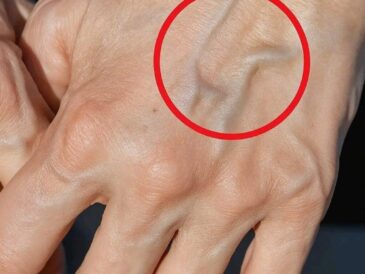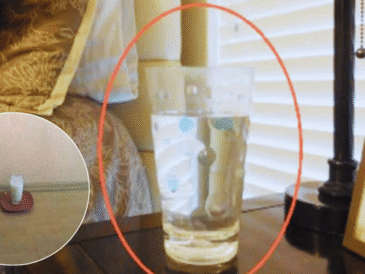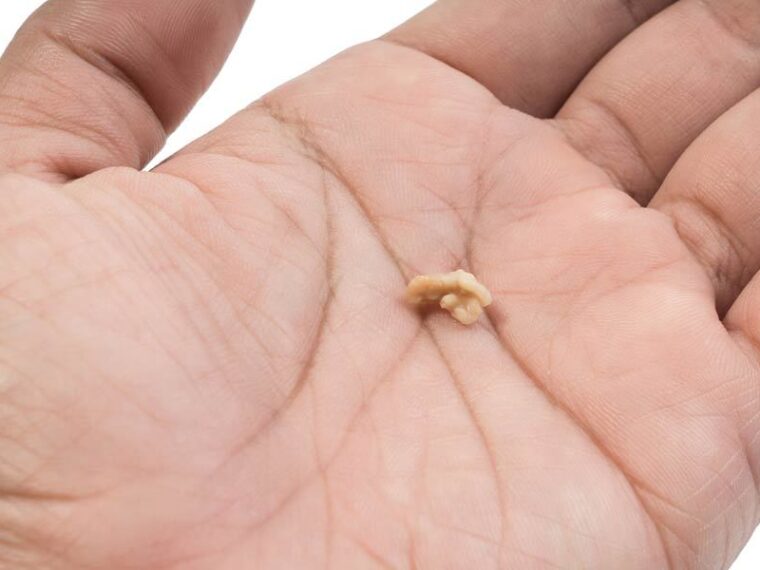
The image and quote—“I sneezed a few times and felt something ticking in my throat… then this came out!”—perfectly describe a common but often shocking experience: expelling a tonsil stones. These small, pale-yellow lumps can feel alarming, but they’re usually harmless. Still, they can cause discomfort, bad breath, and repeated throat irritation.
Let’s break down what tonsil stones are, why they form, how to remove them safely, and how to prevent them from coming back.
✅ What Exactly Are Tonsil Stones?
Tonsil stones—medically known as tonsilloliths—are small, hardened deposits that form inside the crevices (crypts) of your tonsils. They’re made from:
- Trapped food particles
- Dead cells
- Mucus
- Bacteria
- Salts like calcium
Over time, this material calcifies and hardens, forming visible stones like the ones shown in the image.
They can be:
- As tiny as a grain of sand
- Or as large as a pea (or bigger in rare cases)
🧠 Why Do Tonsil Stones Form?
Your tonsils are designed to help trap harmful germs—but their uneven surface also traps debris. Tonsil stones are more likely if you have:
1. Deep Tonsil Crypts
Some people naturally have deep folds in their tonsils, which increases debris buildup.
2. Poor Oral Hygiene
Infrequent brushing, flossing, or tongue cleaning allows bacteria to multiply.
3. Chronic Tonsillitis
Repeated inflammation makes the crypts larger and more prone to trapping material.
4. Postnasal Drip or Allergies
Excess mucus feeds bacterial growth.
5. Dry Mouth
Low saliva reduces the mouth’s natural cleaning action.
👃 The Most Common Symptoms
Many people don’t realize they even have tonsil stones—until one comes out. Typical signs include:
- Persistent bad breath (the most common sign)
- A foreign body sensation in the throat
- Discomfort while swallowing
- A tickling or scratching feeling
- Ear pain (referred pain from nerves)
- Visible white or yellow lumps at the back of the throat
The bad smell comes from sulfur-producing bacteria, especially anaerobic bacteria, which thrive inside the stones.
😮 Why Did It Come Out When You Sneezed?
Sneezing increases pressure in the throat. This sudden force can:
- Dislodge a loose tonsil stone
- Push it out of a crypt
- Make it suddenly visible or fall into your mouth
Once out, the throat often instantly feels clearer, which matches the experience shown in your image.
🧪 Are Tonsil Stones Dangerous?
In most cases, NO—they are harmless. However, they can become problematic when:
TO CONTINUE READING THE ARTICLE PLEASE SEE PAGE 2