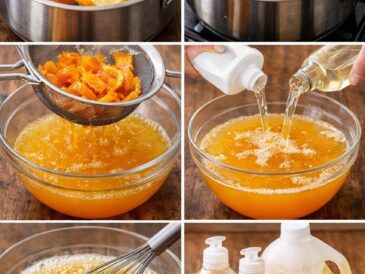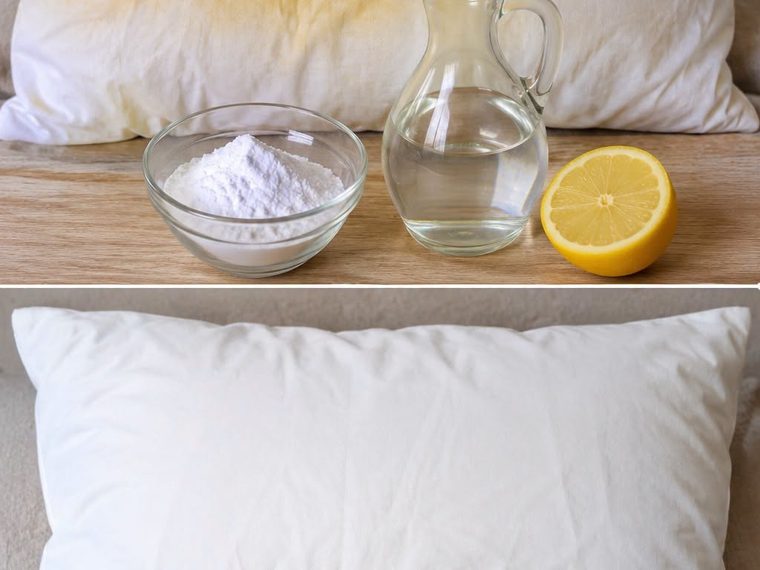
Step 1: Prepare the cleaning mixture
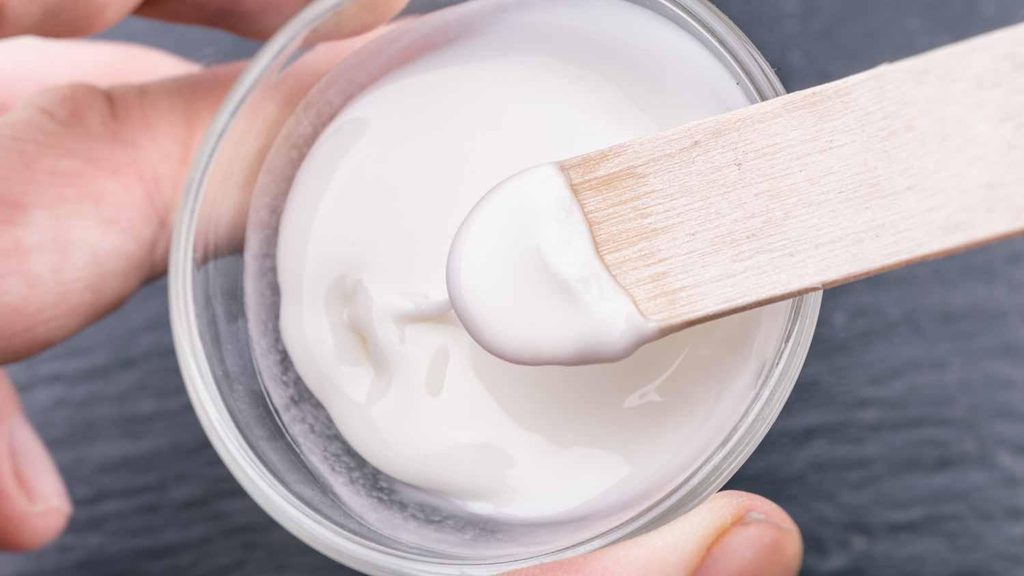
Place the baking soda in a small bowl and gradually add lukewarm water until you obtain a spreadable paste.
If you want to try the lemon variation shown in the photograph, add a little lemon juice. However, remember that lemon can affect certain dyes and delicate fibers, so it is best reserved for suitable white, colorfast cotton after testing.
Mix everything gently until the ingredients are combined.
Step 2: Apply the mixture to the yellow stains
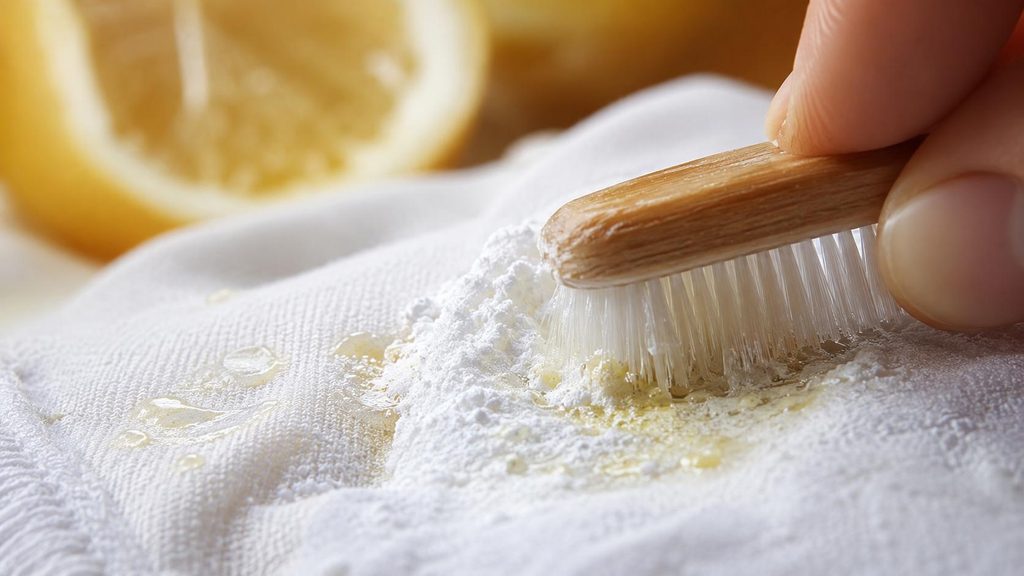
Lay the pillowcase flat on a clean surface.
Apply a thin layer of the baking soda paste directly to the yellowed areas. Use your fingertips or a soft cloth to spread it gently over the fabric.
Avoid aggressive scrubbing, especially if the pillowcase is made from delicate cotton or has decorative stitching.
Leave the mixture on the fabric for approximately 15–20 minutes, then rinse thoroughly.
This is a gentle preliminary treatment, rather than a guaranteed solution for deeply embedded stains.
Step 3: Soak the pillowcase
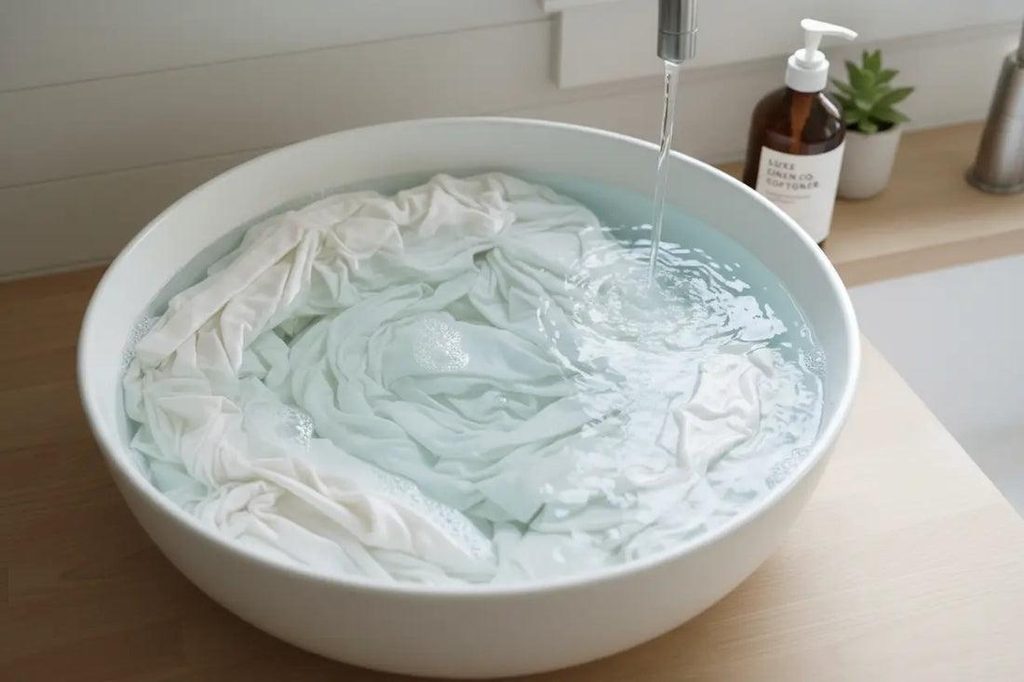
For more stubborn discoloration, soaking can help loosen accumulated residues.
For washable cotton pillowcases, try the following:
- Fill a clean basin with warm water.
- Add approximately half a cup of baking soda.
- Stir until the powder dissolves.
- Submerge the pillowcase completely.
- Leave it to soak for approximately 30 minutes.
After soaking, rinse the fabric thoroughly.
For older, persistent yellow stains, an enzyme-based laundry detergent or an oxygen-based laundry whitener may provide better results than baking soda alone. Always follow the product instructions and check that the fabric is suitable for the treatment.
Step 4: Wash the pillowcase properly
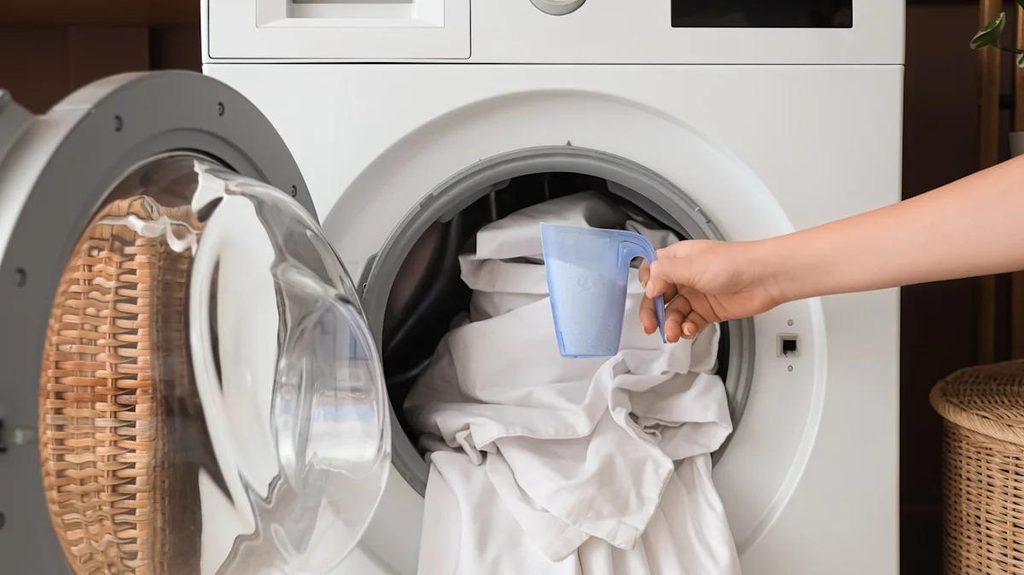
Place the treated pillowcase in your washing machine.
Add your usual laundry detergent, preferably an enzyme-based detergent designed to remove body oils and organic residues.
Choose a washing temperature permitted by the care label. Cotton pillowcases often tolerate warmer washing, but synthetic and delicate fabrics may require cooler temperatures.
Avoid overloading the washing machine. Pillowcases need enough room to move freely so that detergent and loosened dirt can rinse away properly.
One important detail: avoid adding fabric softener when treating heavily yellowed bedding, as product buildup can contribute to a dull appearance.
Step 5: Dry and admire the results
Once the washing cycle is complete, inspect the pillowcase carefully.
If the yellow stains have disappeared, hang it outside to dry if the care label permits. Natural daylight can help brighten white cotton fabrics.
If some discoloration remains, repeat the appropriate stain treatment before using a tumble dryer.
Important: Never use high heat to dry a pillowcase while visible stains remain. Heat can make certain stains more difficult to remove.
What If the Yellow Stains Are Particularly Stubborn?
Sometimes, ordinary household ingredients are not enough, especially when yellow stains have accumulated over several months.
In that situation, consider these alternatives.
1. Enzyme-based laundry detergent
This is a particularly useful option because certain enzymes are designed to break down protein-based residues and body oils.
Apply a little liquid detergent directly to the stained areas or soak the pillowcase according to the product instructions.
2. Oxygen-based bleach
For suitable white cotton pillowcases, oxygen bleach can help lift stubborn discoloration.
Dissolve the product in water according to the manufacturer’s instructions and soak the pillowcase for the recommended time.
Unlike ordinary chlorine bleach, oxygen-based products are often a better first choice for treating yellowed bedding.
3. White vinegar
White vinegar may help remove certain detergent residues and mineral deposits. It can be used separately during an appropriate rinse cycle if the fabric-care instructions permit it.
Do not mix vinegar with chlorine bleach or other cleaning chemicals.
These approaches are not interchangeable, so choose the one that best suits the fabric and the type of staining. Martha Stewart+2
Important Mistakes to Avoid When Cleaning Pillowcases
Even with the right cleaning ingredients, a few common mistakes can make the problem worse.
- Using too much chlorine bleach: It may worsen yellow discoloration and damage some fabrics.
- Using boiling water without checking the label: Excessive heat can shrink or weaken certain materials.
- Scrubbing too aggressively: This can damage the fibers and create rough patches.
- Mixing cleaning products: Never combine chlorine bleach with vinegar, ammonia or other cleaning products.
- Putting stained pillowcases directly into the dryer: Heat can make remaining stains more difficult to remove.
- Ignoring fabric instructions: Silk, satin and other delicate materials require different cleaning methods.
For silk pillowcases, avoid baking soda scrubs, lemon juice and oxygen bleach unless the manufacturer specifically approves them. Use a suitable silk detergent and follow the care label instead.
How to Prevent Yellow Sweat Stains from Coming Back
Removing yellow stains is satisfying, but preventing them from returning is even better.
Here are some simple habits that can make a noticeable difference.
1. Wash pillowcases regularly
Try to wash pillowcases at least once a week. If you sweat heavily at night or use oily skincare products, washing them every three to four days may be more appropriate.
2. Wash your face before bedtime
Removing excess oil, makeup and dirt before sleeping reduces the amount of residue transferred to your pillowcase.
3. Allow skincare products to absorb
After applying night creams, facial oils or moisturizers, give your skin approximately 15 minutes before going to bed.
4. Keep your hair clean and dry
Hair oils, conditioners and styling products can transfer onto your pillowcase. Avoid going to bed with wet hair or excessive styling products.
5. Use pillow protectors
A washable pillow protector provides an additional barrier between your pillow and everyday perspiration, oils and moisture.
6. Rotate your pillowcases
Having several clean pillowcases available makes it easier to change them frequently and prevents excessive buildup on one particular set.Martha Stewart+2
Frequently Asked Questions
Can yellow sweat stains be completely removed from white pillowcases?
Many yellow stains can be significantly reduced or removed with the right treatment. However, very old stains or discoloration caused by damaged fibers may not disappear completely.
Does baking soda really whiten pillowcases?
Baking soda can help with odors and certain residues. However, it is not a powerful whitening agent. For stubborn yellow stains, enzyme-based detergents and oxygen bleach may be more effective.
Can I use lemon juice on white pillowcases?
You can try a diluted lemon treatment on suitable white, colorfast cotton, but test it first. It is not suitable for every fabric and is not a guaranteed stain remover.
How often should I wash my pillowcases?
Once a week is a reasonable routine for most households. More frequent washing may be helpful if you sweat heavily or use a lot of skincare and hair products.
Will sunlight help whiten pillowcases?
Yes. Sunlight can provide some additional brightening for white cotton fabrics, although it cannot replace proper washing. Avoid prolonged exposure that could weaken or damage the fabric.
Final Thoughts
Yellow sweat stains on pillowcases are a common household problem, but they don’t necessarily mean you need to throw away your favorite bedding.
With a little patience, the right cleaning products and a regular laundry routine, you can often restore much of the original brightness of your pillowcases.
The baking soda, water and lemon combination shown in the photograph is an inexpensive starting point for suitable fabrics. For more persistent stains, however, an enzyme-based detergent followed by an oxygen-based whitening treatment may deliver better results.
The most important secret is to treat stains before they become deeply embedded in the fabric and never use high heat before checking that they have disappeared.
A few simple changes to your bedtime and laundry habits can help keep your bedding looking cleaner, fresher and more inviting.
Have you ever tried using baking soda to remove yellow stains from your pillowcases? Did it work? Share your favorite laundry trick!