⚠️ When Should You See a Doctor?
You should consult a dermatologist if:
- The spots are spreading quickly
- They are large and irregular
- You notice hair turning white in the area
- There is itching, scaling, or redness
- You have other autoimmune symptoms
A simple clinical examination is often enough for diagnosis. In some cases, a Wood’s lamp test or skin biopsy may be performed.
💡 Can These White Spots Be Treated?
For IGH:
- Sunscreen (prevention)
- Topical retinoids (sometimes helpful)
- Mild cryotherapy (in selected cases)
For Vitiligo:
- Topical corticosteroids
- Calcineurin inhibitors
- Phototherapy (NB-UVB)
- Emerging treatments targeting immune pathways
For Tinea Versicolor:
- Antifungal creams
- Ketoconazole shampoo
- Oral antifungals in severe cases
🌞 Prevention Tips
Even if the spots are harmless, protecting your skin is essential:
- Use broad-spectrum sunscreen daily
- Avoid excessive sun exposure
- Wear protective clothing
- Maintain healthy skin hydration
- Seek early evaluation if changes appear
📌 Final Thoughts
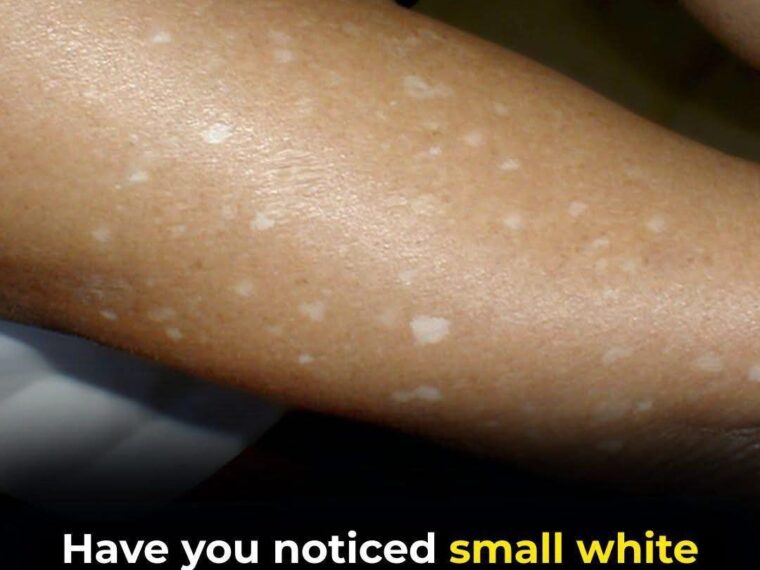
Small white spots on your arms or legs are very common and often harmless—especially if they are tiny, round, and stable over time.
Most cases are due to sun-related pigment changes (IGH), not serious disease.
However, if the spots are spreading or associated with other symptoms, medical evaluation is important to rule out conditions like vitiligo or fungal infection.
Your skin tells a story. Paying attention to it is the first step toward understanding and caring for it properly.
Pages: 1 2