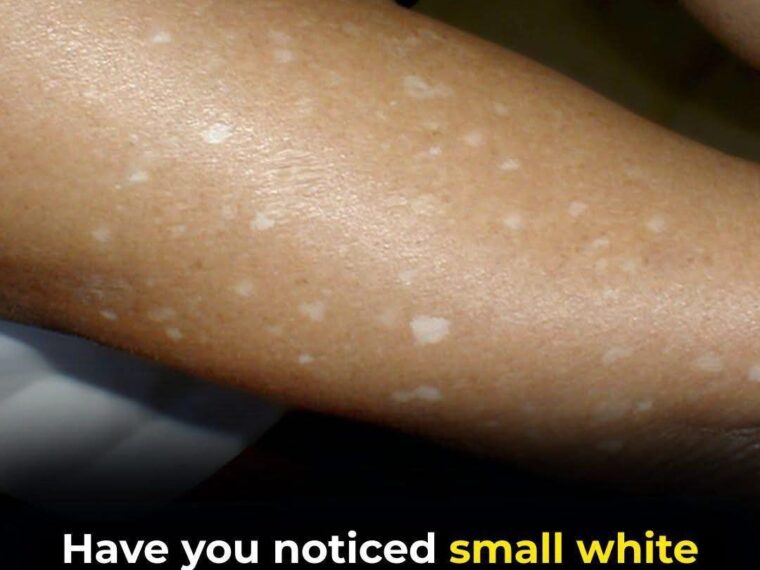
Small white spots appearing on the arms or legs can be surprising—and sometimes worrying. Many people immediately think of serious skin conditions, but in most cases, these spots are harmless and very common.
Let’s explore what they could be, what science says about them, and when you should consider seeing a doctor.
1️⃣ Idiopathic Guttate Hypomelanosis (IGH) – The Most Common Cause
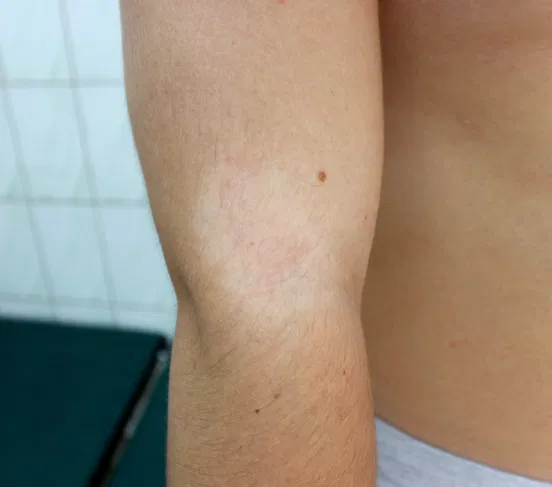
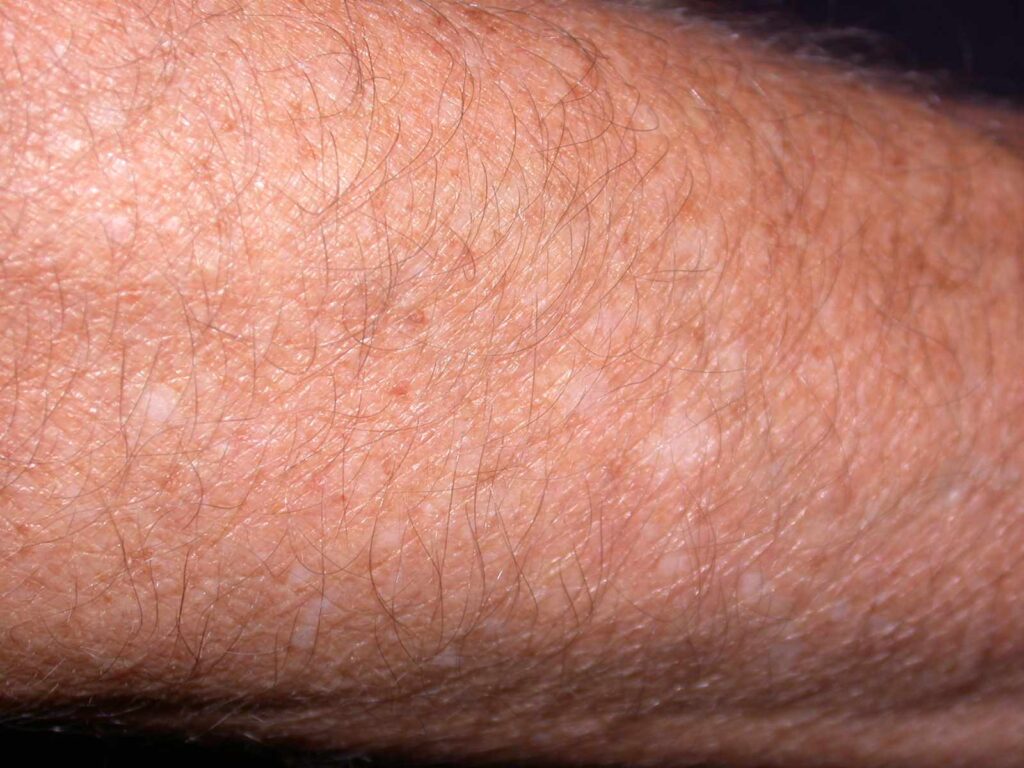
One of the most frequent reasons for small white spots on the arms and legs is Idiopathic Guttate Hypomelanosis (IGH).
What Is It?
Idiopathic Guttate Hypomelanosis (IGH) is a benign skin condition that causes small, round or oval white spots, usually 2–5 mm in size. They commonly appear on:
- Forearms
- Shins
- Shoulders
- Upper back
They are more noticeable in people with darker skin tones because of the contrast.
Why Does It Happen?
Although the exact cause isn’t fully understood, studies suggest IGH is strongly associated with:
- Chronic sun exposure
- Aging
- Genetic predisposition
Research published in dermatology journals has shown that UV radiation damages melanocytes (the pigment-producing cells), leading to reduced melanin in specific spots.
Who Gets It?
- More common after age 30
- Increases with age
- More frequent in individuals with significant lifetime sun exposure
It is completely harmless and not contagious.
2️⃣ Vitiligo – When Pigment Loss Is Progressive
Another possible cause of white spots is Vitiligo.
What Is Vitiligo?
Vitiligo is an autoimmune condition in which the body attacks its own melanocytes, leading to depigmented patches of skin.
Unlike IGH, vitiligo:
- Can appear anywhere on the body
- Often spreads over time
- May affect hair (turning it white)
- Can involve lips and genital areas
What Does Research Say?
According to global epidemiological studies, vitiligo affects approximately 0.5% to 2% of the population worldwide.
Scientific studies show:
- It is linked to autoimmune diseases like thyroid disorders.
- Oxidative stress may play a role.
- Genetics significantly influence risk.
Vitiligo is not dangerous physically, but it can have a strong psychological impact.
3️⃣ Tinea Versicolor – A Fungal Cause
Sometimes white spots are caused by a superficial fungal infection known as Tinea Versicolor.
Key Features:
- Spots may be white, pink, or light brown
- Mild itching may occur
- Slight scaling on the surface
- Common in hot, humid climates
This condition is caused by an overgrowth of yeast that normally lives on the skin.
Studies show it affects up to 40% of people in tropical climates.
The good news? It is treatable with antifungal creams or shampoos.
4️⃣ Post-Inflammatory Hypopigmentation
White spots can also appear after:
- Cuts
- Burns
- Eczema
- Acne
- Insect bites
When the skin heals, melanin production may temporarily decrease in that area.
Most cases improve gradually over months.
🔬 What Science Tells Us About Skin Pigment Loss
Melanin is produced by cells called melanocytes. When these cells are damaged, destroyed, or temporarily suppressed, lighter patches appear.
Research has shown:
- UV radiation reduces melanocyte density over time.
- Oxidative stress contributes to pigment disorders.
- Autoimmune mechanisms play a key role in vitiligo.
- Aging reduces regenerative capacity of melanocytes.
A histological study comparing IGH lesions to normal skin showed a significant reduction in melanocyte numbers within affected spots.
⚠️ When Should You See a Doctor?
TO CONTINUE READING THE ARTICLE PLEASE SEE PAGE 2