Use:
- Low-nitrogen fertilizer (e.g., 5-10-10)
Avoid:
- High nitrogen fertilizers (they promote leaves, not flowers)
Apply lightly around the rhizomes—not directly on them.
6. Remove Weeds and Competing Plants
Weeds compete for nutrients, water, and sunlight.
- Pull weeds by hand (avoid disturbing rhizomes)
- Keep a clean, open space around each plant
This improves airflow and reduces disease risk.
7. Watch for Pests and Diseases
April is when pests start becoming active.
Common threats:
- Iris borers
- Aphids
- Fungal rot
Prevention tips:
- Remove dead leaves (borers hide there)
- Check for holes or damage
- Use organic pest control if needed
Early detection can save your entire iris bed.
8. Space and Divide (If Needed)
If your irises are overcrowded, they won’t bloom well.
Signs of overcrowding:
- Fewer flowers
- Dense clumps
- Weak growth
Although dividing is usually done later (after blooming), April is a good time to plan spacing and ensure each rhizome has room to grow.
Pro Tips for Bigger, Better Blooms
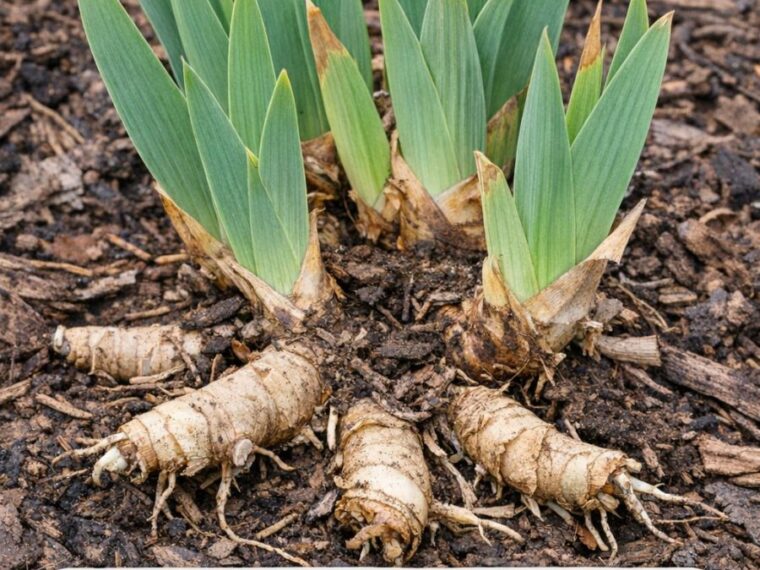
- Keep rhizomes slightly exposed—don’t bury them
- Avoid heavy mulch directly on the plant
- Rotate planting areas every few years
- Label different iris varieties for easy care
Common Mistakes to Avoid
- Overwatering
- Planting too deep
- Too much shade
- Ignoring early signs of rot
Even small mistakes in April can reduce your bloom quality significantly.
Final Thoughts
Caring for your bearded iris in April is the secret to a garden full of bold, colorful, and dramatic blooms. By following these 8 essential steps—inspecting rhizomes, optimizing sunlight, improving soil, and preventing pests—you set your plants up for success.
In just a few weeks, your garden can transform into a vibrant display of elegant iris flowers that will truly stand out.