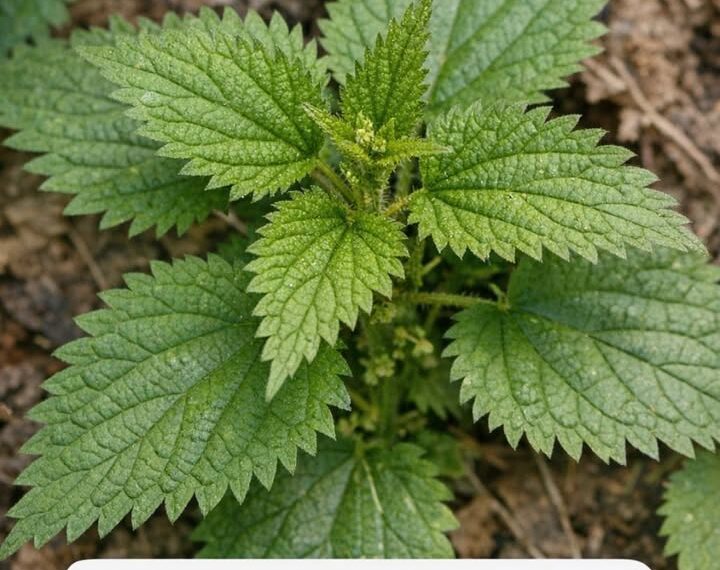
You’re walking through your garden or along a quiet path when you spot a plant with jagged green leaves. It looks harmless—almost like mint—but something about it feels… different.
Then you hear the warning:
“Don’t touch it with bare hands.”
Naturally, your first instinct might be to get rid of it.
But here’s the twist: this plant is one of the most nutrient-dense wild plants you can find.
Welcome to the fascinating world of Stinging nettle.
What Is Stinging Nettle?
Stinging nettle is a wild plant found in gardens, forests, and even roadside areas across the world. It’s easy to recognize by:
- Serrated, pointed leaves
- Fine hair-like structures on the stems and leaves
- A slightly rough, textured appearance
Those tiny hairs are the reason for the warning—they act like microscopic needles.
Why You Shouldn’t Touch It Bare-Handed
The surface of stinging nettle is covered with tiny hollow hairs called trichomes. When you brush against them, they inject a mix of natural chemicals into your skin, causing:
- A sharp stinging sensation
- Redness and irritation
- Itching or mild swelling
The feeling can last from a few minutes to several hours depending on your skin sensitivity.
👉 The good news? It’s usually harmless and fades on its own.
Why You Should NEVER Kill It
Here’s where things get surprising.
Despite its sting, stinging nettle is considered a super-plant because of its incredible nutritional profile.
It’s packed with:
- Iron
- Calcium
- Magnesium
- Vitamin A, C, and K
- Protein (yes, a plant with notable protein!)
For centuries, it has been used in traditional remedies and cooking across Europe, Asia, and North Africa.
Yes… You Can Actually Eat It
It might sound crazy, but stinging nettle becomes completely safe to eat once it’s properly prepared.
When cooked, dried, or blended:
👉 The sting disappears entirely.
Popular ways to use it include:
- Nettle soup (a traditional spring dish)
- Herbal teas
- Sautéed greens (like spinach)
- Smoothies (after blanching)
It has a rich, earthy flavor—often compared to spinach with a slightly deeper taste.
A Hidden Treasure in Your Garden
Most people see stinging nettle as a weed. But gardeners and herbal enthusiasts know better.
This plant can:
- Improve soil health
- Attract beneficial insects
- Be used to make natural fertilizer (nettle tea for plants)
It’s not just useful—it’s incredibly versatile.
How to Handle It Safely
If you decide to harvest or move it, just follow a few simple rules:
- Always wear gloves
- Use scissors or garden shears
- Harvest young leaves (they’re more tender and nutritious)
- Avoid touching your face while handling it
Once it’s cooked or dried, you can handle it freely.
Why This Plant Deserves Respect
Stinging nettle is a perfect example of nature’s contradictions:
TO CONTINUE READING THE ARTICLE PLEASE SEE PAGE 2