Gardeners are always looking for unusual ways to help their plants grow stronger, produce more flowers, and deliver a better harvest. Sometimes, these ideas come from old gardening traditions, unexpected household discoveries, or experiments that sound almost too strange to be true.
One particularly unusual gardening story involves something most people would never consider putting in their vegetable garden: expired thyroid medication.
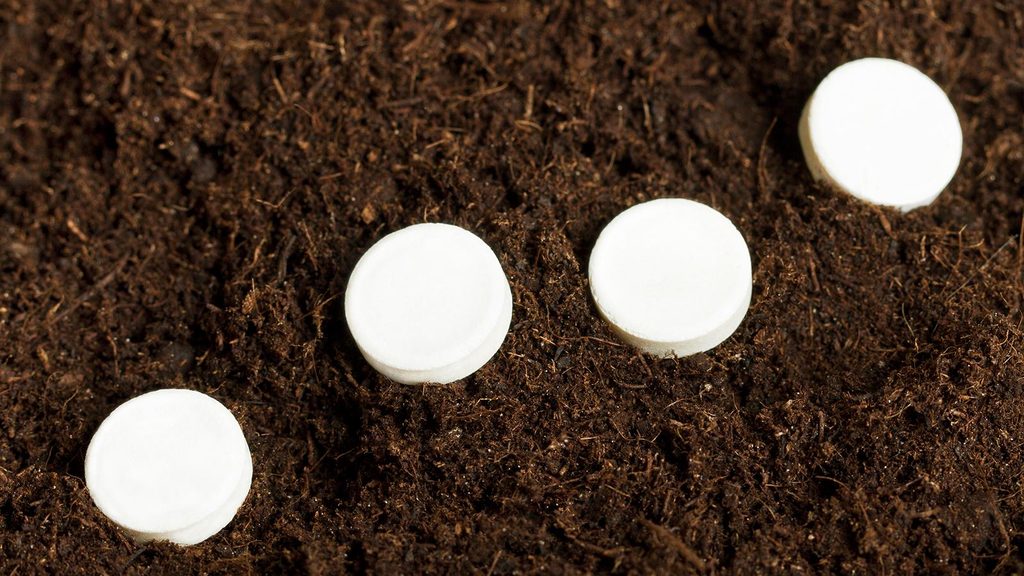
Imagine preparing your summer garden, planting beautiful heirloom zucchini, and discovering that you have a handful of expired tablets sitting in a medicine cabinet. Instead of throwing them away, someone decides to crush them and bury them in the soil around the plants.
The idea sounds intriguing. Could medication contain something that plants can use? Could it influence growth, leaf development, or fruit production?
Three weeks later, the gardener notices changes in the zucchini plants and wonders whether the tablets had anything to do with them.
But before treating this as a gardening secret worth repeating, there is an important scientific distinction to understand: thyroid medication is not a fertilizer, and there is no reliable evidence that burying expired thyroid tablets improves zucchini growth or harvests.
Let’s explore what might happen in the soil, why the experiment is scientifically interesting, what the research says about pharmaceuticals and plants, and what gardeners should do instead.
1. Why Would Anyone Put Thyroid Medication in Garden Soil?
At first glance, putting medication into vegetable garden soil seems like an unusual idea.
Most gardeners understand that plants need nutrients such as nitrogen, phosphorus, and potassium. They also need smaller quantities of minerals, including magnesium, calcium, iron, and zinc.
These nutrients support different biological processes, including leaf development, root growth, flowering, and fruit production.
Thyroid medication, however, is designed for human medical treatment rather than plant nutrition.
One common thyroid medication is levothyroxine, a synthetic version of the thyroid hormone thyroxine (T4). It is prescribed to people whose bodies do not produce enough thyroid hormone.
Although the tablets contain an active pharmaceutical ingredient, that does not mean they contain the nutrients zucchini plants need.
A tablet may also contain inactive ingredients used to bind, stabilize, and manufacture the medication.
Crushing these tablets and adding them to soil introduces pharmaceutical substances and tablet ingredients into the garden environment.
This is very different from adding compost, manure, or a balanced fertilizer.
2. What Actually Happens When Medication Enters the Soil?
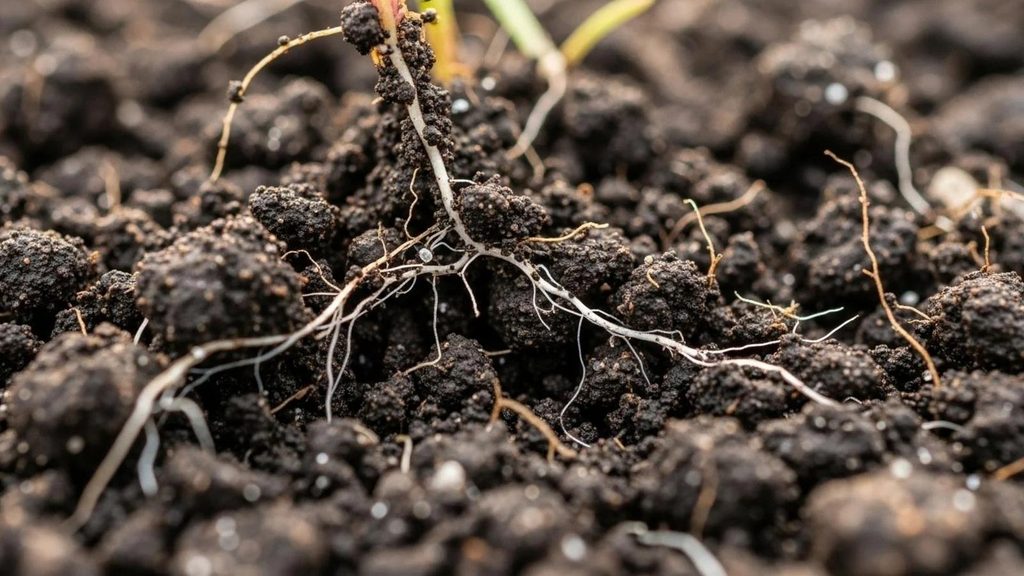
Soil is not simply dirt. It is a complex living environment containing bacteria, fungi, insects, organic matter, minerals, and countless microscopic organisms.
When a substance enters the soil, several things can happen.
It may:
- Dissolve partially in soil moisture.
- Attach itself to soil particles.
- Be broken down by microorganisms.
- Move through the soil with water.
- Become available for absorption by plant roots.
The exact outcome depends on the chemical properties of the substance, soil composition, moisture, temperature, and microbial activity.
Scientific research has demonstrated that pharmaceutical residues can sometimes enter plants through their roots.
However, the amount absorbed varies considerably depending on the medication and the plant species.
A 2024 scientific review published in the Journal of Xenobiotics explains how pharmaceutical substances behave in soil and how they can interact with soil microorganisms and plant roots.
This does not establish that thyroid tablets improve plant growth. Instead, it highlights why introducing pharmaceutical products into garden soil should be avoided. PubMed Central (PMC)+2
3. Could Thyroid Medication Make Zucchini Plants Grow Faster?
TO CONTINUE READING THE ARTICLE PLEASE SEE PAGE 2