The Strange “Melting Paint” Effect Caused by Extreme Heat
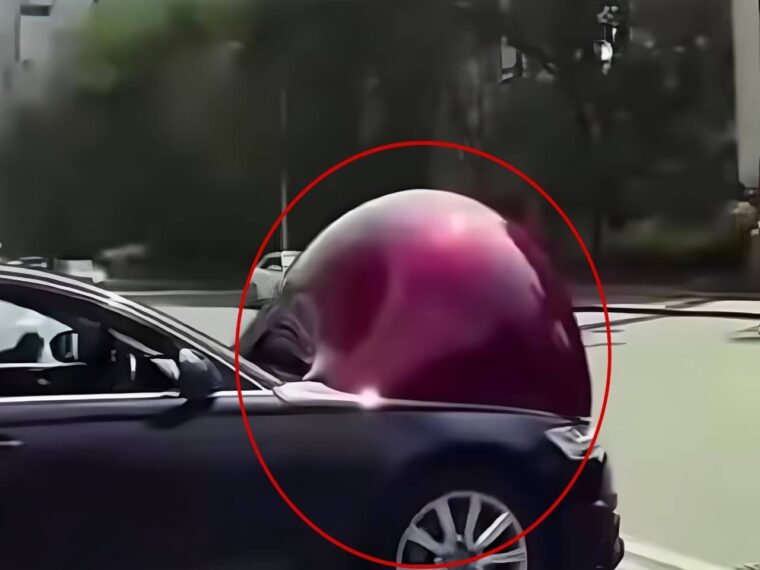
At first glance, this image looks almost unreal. The shiny pink bubble rising from the hood of the car looks like a giant balloon or a strange object from a science-fiction movie. But the truth is much simpler — and much more alarming for car owners.
What you’re seeing is a severe case of paint blistering and heat damage, a phenomenon caused by extreme temperatures, trapped moisture, and failing paint layers.
In some parts of the world where temperatures regularly climb above 100°F (38°C), cars parked under direct sunlight can experience serious damage to their paint and clear coat. Over time, the surface begins to weaken, bubble, swell, and sometimes even peel away completely. Experts refer to this as paint blistering or paint bubbling.
Why Does Car Paint Bubble Like This?
Modern car paint is made of several layers:
- Metal body
- Primer
- Base color coat
- Clear protective coat
When heat becomes extreme, these layers expand. If moisture, air, or solvents are trapped underneath, pressure builds up beneath the paint surface. Eventually, the paint lifts and forms bubbles or swollen areas.
Dark-colored vehicles are especially vulnerable because they absorb more sunlight and heat.
In severe cases, the temperature of a car hood can exceed 140°F (60°C) after sitting in the sun for hours.
The Main Causes of Heat-Related Paint Damage
1. Constant Sun Exposure
UV rays slowly break down the clear coat protecting the paint underneath. Over time, the surface becomes weak and brittle.
Cars left outdoors every day are much more likely to develop fading, peeling, and bubbling paint.
2. Trapped Moisture Under the Paint
Tiny amounts of moisture can get trapped beneath paint layers through scratches, chips, or poor repainting jobs.
When the sun heats the surface, that moisture turns into vapor and expands, pushing the paint outward into bubbles.
3. Poor Repainting or Cheap Paint Jobs
Many cases happen after low-quality repaint work.
If paint is applied:
- too thick,
- in humid conditions,
- on a dirty surface,
- or without proper drying time,
solvents become trapped underneath and later create blisters in hot weather.
4. Extreme Climate Conditions
Places with:
- intense sunlight,
- high humidity,
- rapid temperature changes,
- or desert heat
put enormous stress on automotive paint.
This is why paint problems are especially common in very hot regions.
Can Heat Actually Melt Car Paint?
Not exactly.
The paint usually isn’t “melting” like plastic near a fire. Instead, the heat weakens the chemical bonds inside the paint layers, causing swelling, separation, and blistering.
The result can look like the car is melting — especially when large bubbles form.
Warning Signs Before Serious Damage Happens
Before paint starts bubbling dramatically, most cars show early signs such as:
- dull or faded color
- cloudy clear coat
- tiny bubbles
- rough texture
- peeling edges
- cracking on the hood or roof
Ignoring these signs usually makes the problem worse.
How to Protect Your Car From Heat Damage
TIO CONTINUE READING THE ARTICLE PLEASE SEE PAGE 2