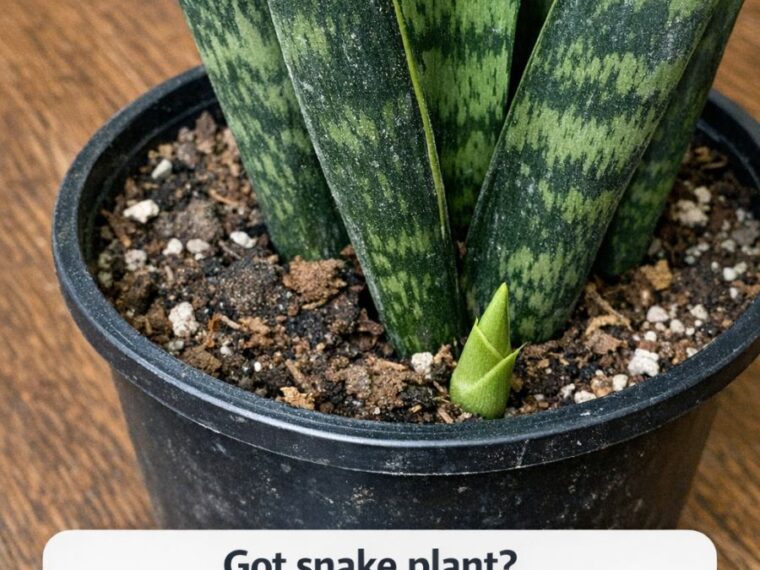
If you own a snake plant, May is one of the most important months of the year. As temperatures rise and daylight hours increase, your plant shifts into active growth mode. This is the perfect time to encourage the production of healthy new “pups” — the baby shoots that emerge from the soil around the mother plant.
Snake plants are already known for being nearly indestructible, but if you want a pot overflowing with new growth, you need to give them the right care at the right time. A few simple tasks during May can make the difference between slow growth and a thriving plant producing multiple pups.
Here are the 9 essential things you should do this month for maximum snake plant growth.
1. Move It Into Brighter Light
Snake plants tolerate low light, but they do not truly thrive there. In May, stronger natural light helps stimulate new growth and pup production.
Best Lighting Conditions:
- Bright indirect sunlight
- Morning sun near an east-facing window
- Filtered light from a south-facing window
Avoid harsh afternoon sun outdoors, especially for indoor-grown plants that are not acclimated.
Signs Your Plant Needs More Light:
- Slow growth
- Pale leaves
- Thin or stretched foliage
- No pups forming
More light equals more energy, and more energy means more baby plants.
2. Check the Roots Immediately
May is the ideal time to inspect your snake plant’s root system because active growth is just beginning.
Carefully slide the plant out of its pot and look for:
- Healthy orange or white roots
- Firm rhizomes
- Crowded roots circling the pot
- New underground shoots
Snake plants actually prefer being slightly root-bound, but severely cramped roots can slow pup development.
If roots are packed tightly with almost no soil visible, it may be time to repot.
3. Repot Only If Necessary
One of the biggest mistakes people make is giving snake plants pots that are far too large.
A giant pot encourages excess moisture retention, which can cause root rot instead of new pups.
The Perfect Pot:
- Only 1–2 inches wider than the root ball
- Has drainage holes
- Made from terracotta if possible
Terracotta helps excess moisture evaporate faster and keeps roots healthier.
4. Use the Right Soil Mix
Snake plants hate heavy, soggy soil.
For maximum pup production, use a fast-draining mix that allows roots to breathe.
Ideal Soil Blend:
- Cactus or succulent mix
- Perlite
- Coarse sand
- Orchid bark (optional)
Good drainage encourages strong rhizome growth underground — and that is where pups begin.
5. Start Feeding the Plant
May marks the start of the growing season, meaning your snake plant is finally ready for nutrients.
Best Fertilizer:
- Balanced liquid fertilizer
- Succulent fertilizer
- Diluted to half strength
Feed once every 4–6 weeks during spring and summer.
Avoid overfertilizing, which can damage roots and slow growth instead of helping it.
6. Water Correctly — Not Constantly
Overwatering remains the number one killer of snake plants.
In May, growth increases, but that does not mean the plant suddenly wants wet soil all the time.
The Correct Method:
- Water deeply
- Let all excess water drain out
- Wait until the soil dries completely before watering again
Never allow water to sit at the bottom of the pot.
A healthy dry-wet cycle encourages strong root systems and better pup development.
7. Rotate the Pot Weekly
Many people forget this simple trick.
Rotating the plant every week helps all sides receive equal light, leading to:
- Straighter growth
- Balanced leaves
- More even energy distribution
This can indirectly improve pup production because the plant grows more efficiently overall.
8. Clean the Leaves
Dust buildup blocks sunlight from reaching the leaves.
Since snake plants absorb light through their thick upright foliage, dirty leaves reduce their ability to photosynthesize efficiently.
Simple Cleaning Method:
- Use a damp microfiber cloth
- Wipe both sides gently
- Avoid leaf shine products
Clean leaves help the plant gather more energy for producing new shoots.
9. Watch for Baby Pups Early
In May, tiny green spikes may suddenly appear at the edge of the pot. These are baby snake plants emerging from underground rhizomes.
Do not separate them too early.
Wait until:
- The pup has several leaves
- It develops its own roots
- It reaches at least a few inches tall
Removing pups prematurely can weaken both the mother plant and the baby.
Bonus Tip: Slight Stress Can Trigger More Pups
Interestingly, snake plants sometimes produce more pups when slightly root-bound.
A mildly crowded pot signals the plant to reproduce. That is why many experienced growers avoid oversized containers.
The key is balance:
- Slightly snug roots = good
- Completely root-choked = bad
Common Mistakes That Stop Pup Production
TO CONTINUE READING THE ARTICLE PLEASE SEE PAGE 2