Across many cultures, plants have long held a special place in traditional wellness practices. One plant that has attracted attention in recent years is Cuban oregano, a fragrant herb valued in both the kitchen and traditional home remedies. While social media posts sometimes suggest that a single leaf can cure many ailments, the truth is more nuanced. Cuban oregano carries a rich cultural history and potential benefits, but it should always be approached with balance, knowledge, and responsibility.
This article explores the tradition behind Cuban oregano, how it has been used historically, what modern science says, and how people can enjoy this herb safely.
What Is Cuban Oregano?
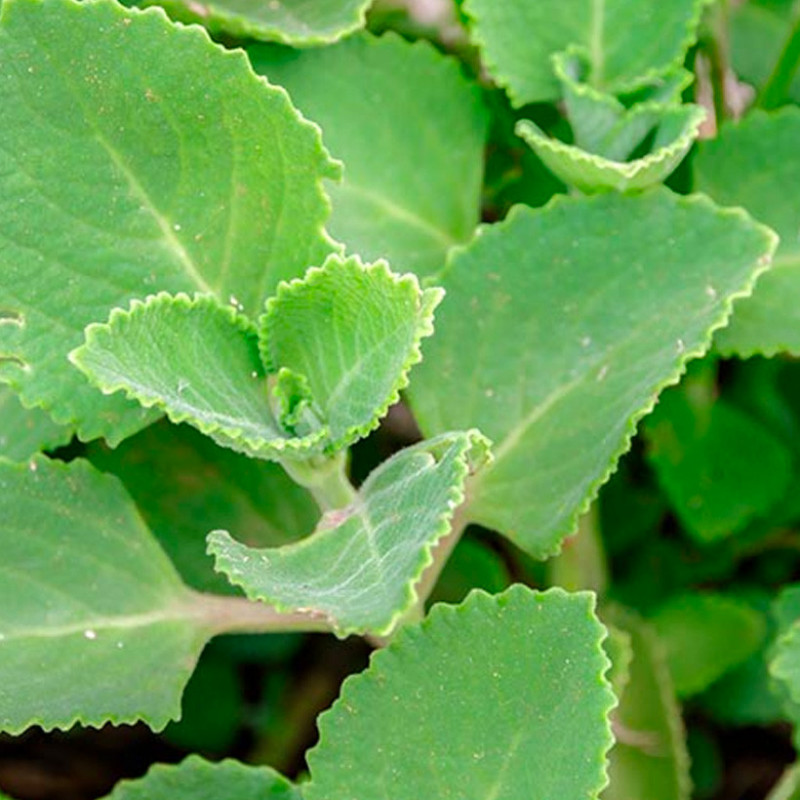
Cuban oregano, scientifically known as Plectranthus amboinicus, is a thick-leafed, aromatic herb that belongs to the mint family (Lamiaceae). Despite its name, it is not the same plant as Mediterranean oregano.
The plant is known by many names around the world, including:
- Spanish thyme
- Indian borage
- Mexican mint
- Broadleaf thyme
- Country borage
Its soft, fuzzy leaves contain a strong aroma that blends notes of oregano, thyme, and mint.
The plant grows easily in warm climates and is often found in home gardens throughout the Caribbean, Southeast Asia, Africa, and parts of Latin America.
A Plant Rooted in Cultural Tradition
For generations, families have passed down knowledge about plants like Cuban oregano. In many households, especially in tropical regions, the herb has been part of traditional home remedies.
Some common folk uses include:
- Herbal teas for coughs and colds
- Leaves used in steam inhalation
- Infusions to support digestion
- Warm leaf compresses for minor aches
These practices were often based on cultural wisdom and observation, rather than formal medical research.
It’s important to understand that traditional uses do not always equal proven medical treatments. However, they do reflect a long history of people turning to nature for comfort and support.
The Nutritional and Botanical Profile
Cuban oregano leaves contain several natural plant compounds that researchers have studied for their potential biological activity.
These include:
- Carvacrol – a compound also found in oregano with antimicrobial properties
- Thymol – known for its role in natural antiseptics
- Rosmarinic acid – an antioxidant found in many herbs
- Flavonoids – plant compounds associated with anti-inflammatory effects
Because of these compounds, scientists have explored whether the plant may have properties that could support certain aspects of health.
However, more clinical research is needed to confirm many of these effects in humans.
Traditional Uses Around the World
In different cultures, Cuban oregano has been used in a variety of ways.
Herbal Tea
One of the most common traditional uses is brewing the leaves into a tea.
People often steep a fresh leaf in hot water to create a soothing drink that is believed to help with:
- Mild coughs
- Throat irritation
- Digestive discomfort
Again, these uses are largely based on tradition rather than medical proof.
Steam Inhalation
Some traditional practices involve adding crushed leaves to hot water and inhaling the steam. This method has been used as a home remedy during colds.
The aromatic oils released by the leaves may create a comforting sensation during congestion.
Culinary Use
Beyond wellness traditions, Cuban oregano is widely used in cooking.
Its strong flavor pairs well with:
- Meat dishes
- Stews and soups
- Caribbean recipes
- Southeast Asian cuisine
The leaves can be chopped, sautéed, or added fresh to dishes for a bold herbal flavor.
Understanding Online Health Claims
Many images and posts circulating online suggest that one oregano leaf a day can cure numerous conditions, including asthma, bronchitis, anxiety, digestive problems, and more.
These types of claims should be approached with caution.
While Cuban oregano contains beneficial plant compounds, there is no scientific evidence that eating one leaf daily can cure or prevent multiple diseases.
Health conditions like asthma, chronic bronchitis, and anxiety require proper medical care and should always be managed with professional guidance.
Responsible Use of Herbal Plants
Herbal plants can be wonderful additions to a healthy lifestyle, but they should be used thoughtfully.
Here are some guidelines for responsible use:
TO CONTINUE READING THE ARTICLE PLEASE SEE PAGE 2