The Secret Technique Hairdressers Use for a Younger Look
Many people focus only on color when trying to look younger, but professional hairdressers know that technique matters just as much as the shade itself. The way color is applied can dramatically influence how youthful the final result appears.
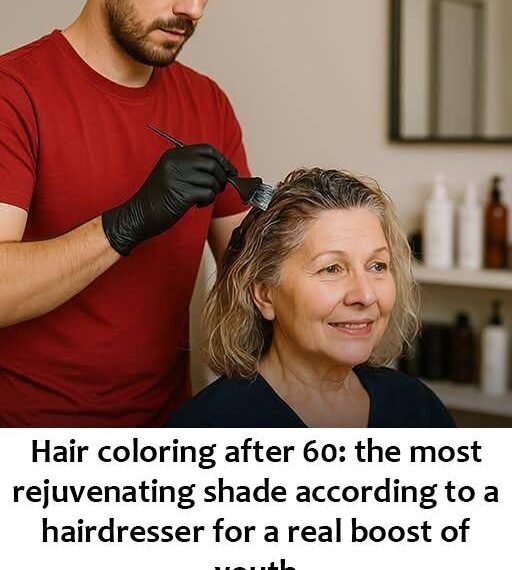
One of the most effective methods is balayage, a technique where color is painted onto the hair in soft, natural strokes. Unlike traditional dye jobs that create a uniform color, balayage produces subtle highlights and shadows that mimic the way sunlight naturally lightens hair. This dimensional effect adds movement and depth, making hair appear thicker and more vibrant.
Another popular technique involves placing lighter highlights around the face. These face-framing highlights act almost like a natural spotlight, brightening the complexion and softening facial features. When done correctly, they can create a lifting effect that subtly enhances the entire face.
Stylists often combine these methods with gloss treatments that add shine and smoothness to the hair. Gloss not only enhances color but also improves the overall health and appearance of mature hair.
The real secret to a youthful hair color isn’t just the shade—it’s the artistry behind how it’s applied.
Choosing the Right Shade for Your Skin Tone
Selecting the perfect hair color after 60 requires understanding your skin’s undertones. Hairdressers often emphasize that the same shade can look completely different depending on the individual’s complexion.
Warm Undertones
Women with warm undertones typically look best with colors that contain golden or red pigments. Honey blonde, caramel, golden brown, and soft auburn are excellent choices because they complement the natural warmth of the skin.
Cool Undertones
Cool undertones pair well with shades that contain subtle cool pigments, such as champagne blonde or chestnut brown. These colors balance the skin’s natural tones without creating harsh contrasts.
Neutral Undertones
Neutral undertones offer the most flexibility. Women with this skin type can experiment with both warm and cool shades, although soft, natural colors usually provide the most flattering results.
Consulting a professional hairdresser is often the best way to determine the ideal shade. A stylist can analyze skin tone, eye color, and hair texture to create a customized color that enhances natural beauty.
Hair Care Tips for Colored Hair After 60
Maintaining healthy hair after coloring becomes increasingly important with age. Mature hair tends to be more fragile and prone to dryness, which means it needs extra care and nourishment.
Hydration is one of the most important factors. Using moisturizing shampoos and conditioners specifically designed for colored hair helps maintain softness and shine. Deep conditioning treatments can also restore moisture and prevent breakage.
Protecting hair color from fading is another key step. Sun exposure, heat styling, and frequent washing can cause color to fade more quickly. Using heat protectants and color-safe products can extend the life of your hair color while keeping it vibrant.
Regular salon visits for gloss treatments or subtle touch-ups can also make a big difference. These treatments refresh color, add shine, and keep hair looking healthy and youthful.
With the right care routine, colored hair can remain beautiful and vibrant at any age.
Conclusion
Hair coloring after 60 is about far more than covering gray strands—it’s about enhancing natural beauty and boosting confidence. The most rejuvenating shades are typically warm, soft, and multi-dimensional, allowing hair to reflect light and brighten the face.
Colors like honey blonde, golden brown, strawberry blonde, and soft auburn consistently rank among the most flattering options recommended by professional hairdressers. These shades add warmth, depth, and radiance, creating a youthful glow without looking artificial.
At the same time, avoiding harsh colors such as jet black or overly cool tones can make a significant difference. When combined with modern coloring techniques like balayage or face-framing highlights, the right shade can transform not only your hair but your entire appearance.
Age should never limit style. With the right color and a skilled stylist, your hair can remain one of your most beautiful and expressive features—at any stage of life.
FAQs
1. What is the best hair color for women over 60?
Warm shades such as honey blonde, golden brown, strawberry blonde, and soft auburn are often considered the most flattering for mature skin because they add brightness and warmth.
2. Does darker hair make you look older?
Very dark shades like jet black can create harsh contrasts that emphasize wrinkles and shadows, which may make the face appear older.
3. Should women over 60 avoid gray hair completely?
Not necessarily. Many women embrace gray hair, but adding highlights or lowlights can enhance shine and dimension.
4. How often should hair be colored after 60?
Most stylists recommend touch-ups every 6–8 weeks, although techniques like balayage can extend the time between salon visits.
5. What hair coloring technique looks most natural?
Balayage and soft highlights are widely considered the most natural-looking techniques because they create subtle, multi-dimensional color.