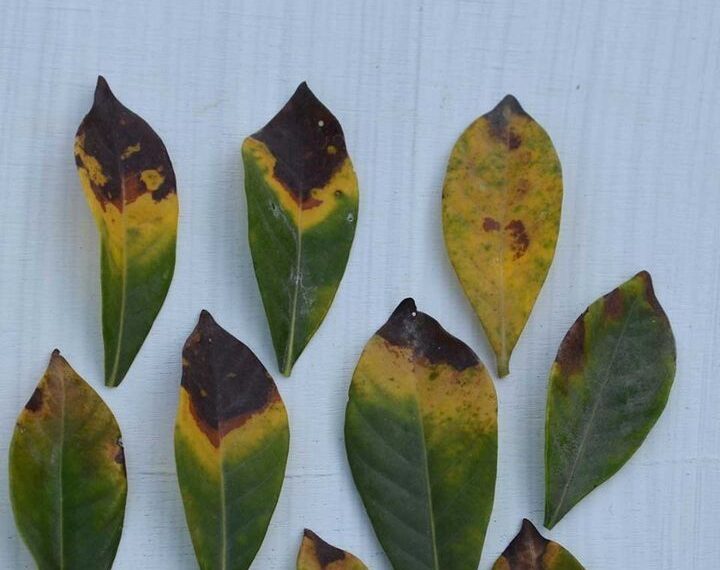
3. Yellowing Starting From the Edges or Between Veins
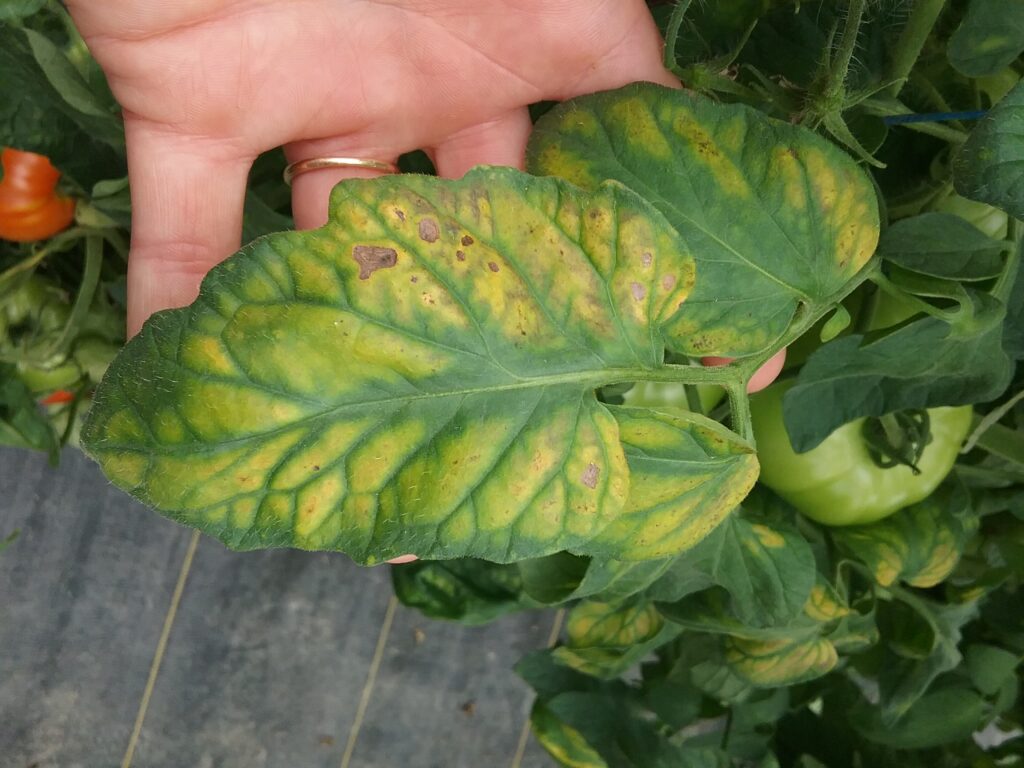
What it means
This usually indicates a nutrient deficiency, most commonly:
- Nitrogen
- Magnesium
- Iron
The plant may not be absorbing nutrients properly due to poor soil quality or incorrect pH.
What to do
- Use a balanced fertilizer
- Consider adding compost or organic matter
- Check soil pH if the problem keeps returning
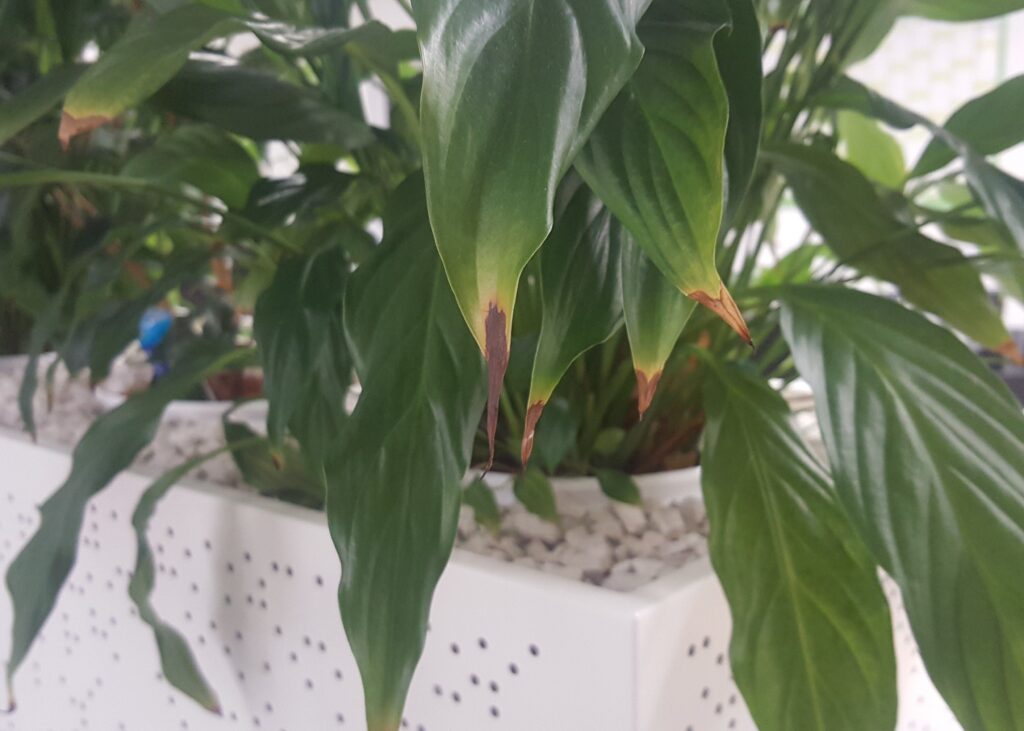
4. Crispy, Dry, Brown Leaf Tips
What it means
Dry, crispy edges are a sign of:
- Underwatering
- Low humidity
- Too much direct sun or heat stress
This is especially common in indoor plants or during hot weather.
What to do
- Water more consistently (not all at once)
- Increase humidity (mist lightly or use a tray with water and pebbles)
- Move the plant away from harsh midday sun
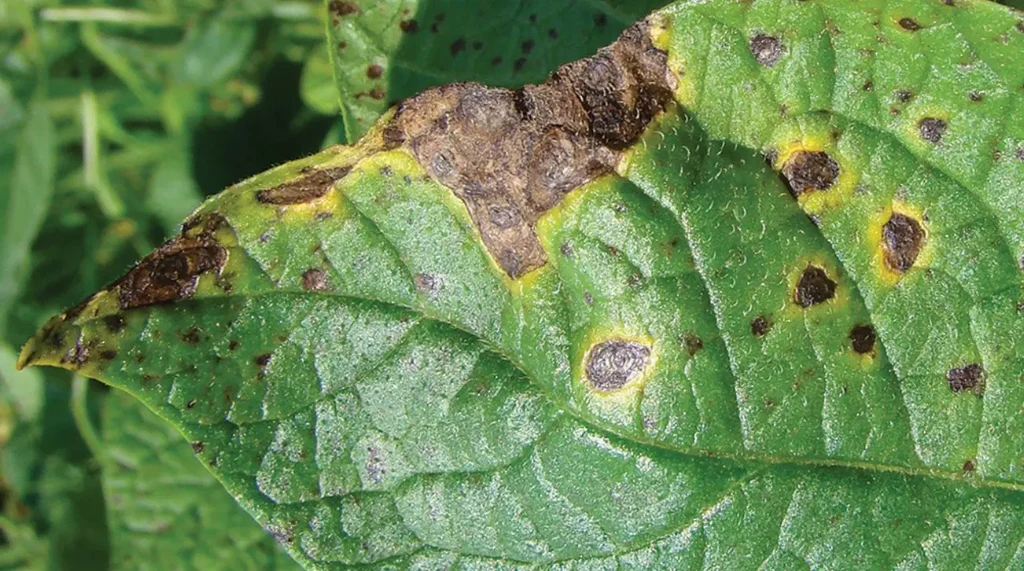
5. Uneven Yellowing and Patchy Discoloration
What it means
This can be caused by:
- Sudden temperature changes
- Cold drafts
- Transplant shock
- Environmental stress
Plants don’t like surprises—especially cold ones.
What to do
- Keep plants away from drafts or heaters
- Allow time for recovery after repotting
- Maintain stable temperatures
How to Diagnose Plant Problems Faster
Use this simple checklist when something looks wrong:
- Yellow + soggy soil? → Overwatering
- Brown spots spreading? → Disease
- Yellow veins, green veins visible? → Nutrient deficiency
- Dry, crispy tips? → Underwatering or low humidity
- Sudden damage after moving the plant? → Environmental shock
Final Thoughts: Leaves Never Lie
Plants may not speak, but their leaves tell the truth. Yellowing, browning, spotting, or wilting are all messages asking for attention. The sooner you recognize the signs, the easier it is to fix the problem—and restore your plant’s health.
🌱 Healthy leaves = healthy roots = a thriving plant
If you regularly “read” your leaves, you’ll become a better gardener without guessing or wasting time.