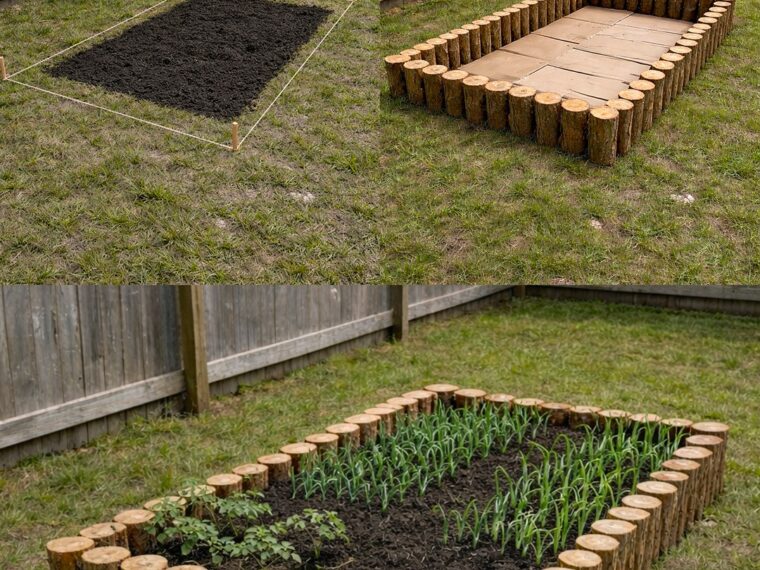
Building a garden bed is one of the best ways to grow healthier plants, improve soil quality, and make gardening easier. However, many gardeners—especially beginners—make simple mistakes that can limit plant growth, waste time, and lead to disappointing harvests.
Understanding these common errors before you start can save you money, effort, and frustration. Below are the most frequent mistakes people make when building a garden bed, along with expert tips on how to avoid them.
1. Choosing the Wrong Location
One of the biggest mistakes is placing the garden bed in a poorly chosen spot.
What goes wrong:
- Too little sunlight
- Poor air circulation
- Areas prone to water pooling
Expert tip:
Most vegetables need at least 6–8 hours of direct sunlight per day. Observe your yard throughout the day before deciding where to build your bed.
2. Ignoring Drainage
Poor drainage can quickly kill plants by suffocating roots and promoting rot.
Common errors:
- Building beds directly on compacted soil
- Using liners that trap water
- No drainage layer at the bottom
Expert tip:
Loosen the soil beneath the bed and avoid plastic liners. If drainage is a concern, add coarse organic material at the base.
3. Using the Wrong Materials
Not all building materials are safe for garden beds.
Mistakes include:
- Using treated lumber that may leach chemicals
- Using old railroad ties
- Painting wood with toxic paints
Expert tip:
Choose untreated cedar, redwood, or food-safe composite materials. These are durable and safe for growing edible plants.
4. Making the Bed Too Wide
A bed that is too wide makes maintenance difficult.
Why this matters:
- You can’t reach the center without stepping on the soil
- Soil compaction reduces root growth
Expert tip:
Keep beds no wider than 4 feet (1.2 m) so you can comfortably reach the center from either side.
5. Not Preparing the Soil Properly
Many gardeners underestimate the importance of soil preparation.
Common mistakes:
TO CONTINUE READING THE ARTICLE PLEASE SEE PAGE 2